
Material choices directly affect your custom baseball cap costs. The wrong fabric selection can double or triple your production budget without warning.
Material significantly impacts manufacturing cost. Standard fabrics like cotton or polyester cost a few dollars per yard. Premium blends, wool, performance fabrics, and sustainable options1 can double or triple material costs. Fabric choice affects unit cost, retail price, and target market positioning.
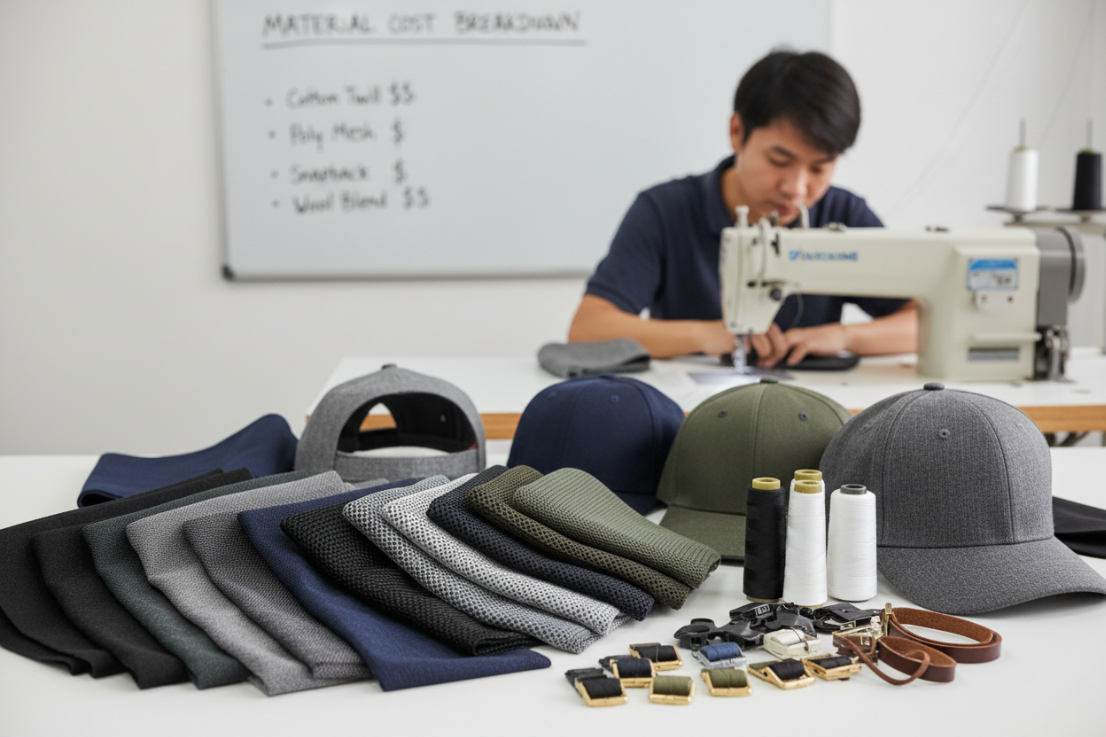
I learned this lesson the hard way when a client chose premium merino wool for their first order. Their budget exploded from $8 per cap to $18 per cap overnight. They had to completely rethink their retail strategy. This experience taught me that material education saves both time and money in custom headwear manufacturing.
What is the best material for a baseball cap?
Different materials serve different purposes. Your choice depends on your target market and intended use.
Moisture-wicking polyester and nylon work best for sports applications. Wool provides excellent warmth for cold weather. Cotton blends offer comfort and breathability2 for everyday wear. Each material type affects both performance and manufacturing cost differently.
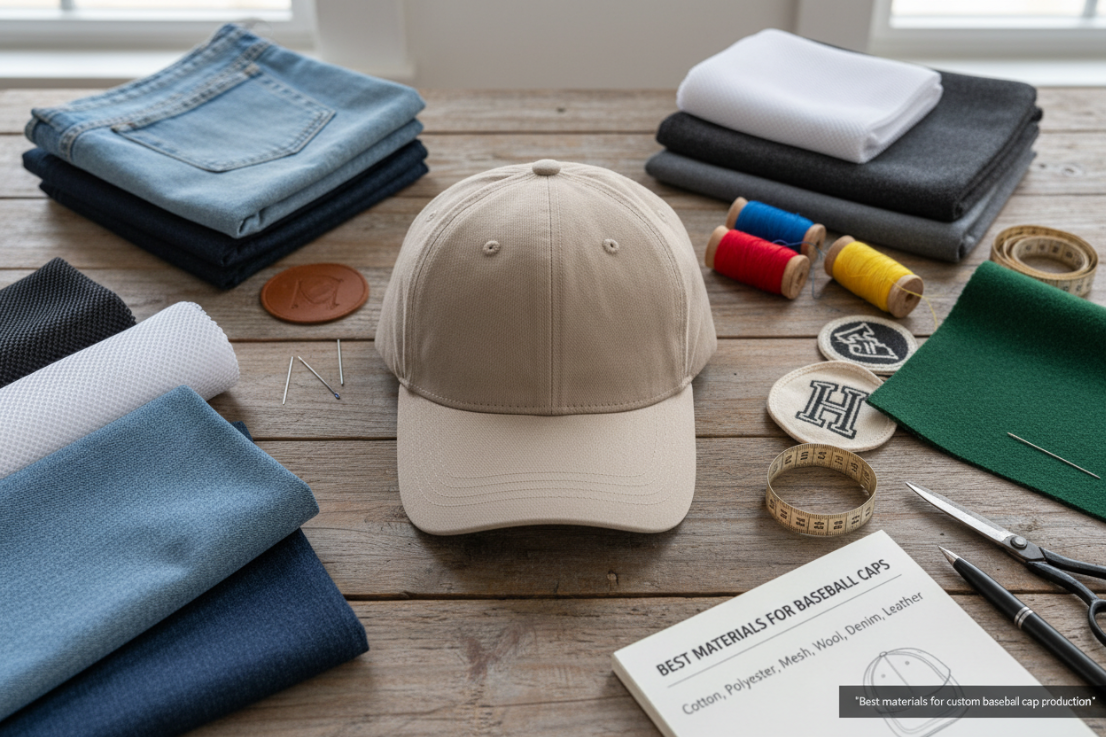
I work with brands across many industries at Anthea. Sports teams always request moisture-wicking fabrics. Fashion brands prefer cotton blends for street style. Corporate clients choose polyester for durability and easy care.
Let me break down the main material categories and their cost impacts:
Performance Fabrics
Performance fabrics include moisture-wicking polyester, nylon blends, and specialized athletic materials.3 These fabrics cost 40-60% more than standard cotton.4 The manufacturing process requires careful handling to maintain technical properties.
| Material Type | Cost Range per Yard | Best Use Case | Manufacturing Complexity |
|---|---|---|---|
| Standard Polyester | $2-4 | Basic sports wear | Low |
| Moisture-wicking Polyester | $4-7 | Active sports | Medium |
| Nylon Blends | $5-8 | Outdoor activities | Medium-High |
| Technical Mesh5 | $6-10 | High-performance sports | High |
Natural Materials
Cotton remains popular for everyday baseball caps. Pure cotton costs less upfront but requires more careful processing. Wool offers premium positioning but significantly increases material costs.
Cotton blends provide the best balance. They combine cotton comfort with polyester durability. Manufacturing costs stay reasonable while quality improves.
Sustainable Options
Eco-friendly materials are trending but expensive. Organic cotton costs 30-50% more than conventional cotton. Recycled polyester adds 20-40% to material costs. Hemp and bamboo blends can double standard fabric costs.
Many small brands want sustainable options. I always explain the cost implications upfront. Some clients adjust their order quantities to accommodate higher material costs.
Which fabric is best for caps?
Polyester-cotton blends dominate the custom cap market. They offer excellent value for most applications.
Polyester-cotton blends provide breathability, durability, and shape retention. These fabrics maintain their appearance through multiple wash cycles. They cost less than pure cotton while offering better performance characteristics for most users.
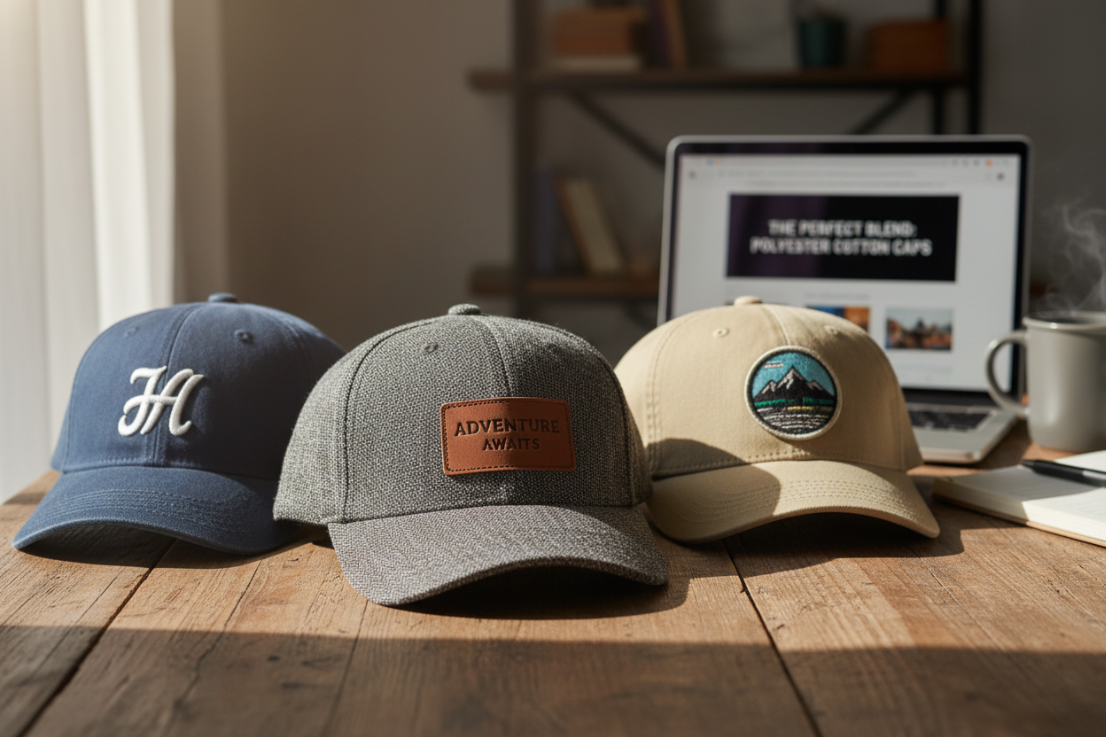
I recommend 65% polyester and 35% cotton for most clients. This ratio provides the best cost-performance balance. Manufacturing runs smoothly with consistent results.
Blend Ratios and Cost Impact
Different polyester-cotton ratios affect both performance and cost. Higher polyester content reduces material costs but may feel less premium. Higher cotton content increases comfort but raises manufacturing complexity.
| Blend Ratio | Material Cost | Durability | Comfort Level | Best Application |
|---|---|---|---|---|
| 100% Cotton | Medium | Good | Excellent | Fashion brands |
| 80% Cotton / 20% Polyester | Medium-High | Very Good | Very Good | Premium casual |
| 65% Polyester / 35% Cotton | Low-Medium | Excellent | Good | General purpose |
| 80% Polyester / 20% Cotton | Low | Excellent | Fair | Budget sports |
Manufacturing Considerations
Fabric choice affects every production step. Cotton requires pre-shrinking to prevent size changes.6 Polyester needs careful heat control during pressing.7 Blends offer more forgiving manufacturing tolerances.
I train my production team on fabric-specific techniques. Cotton caps need gentle handling during embroidery. Polyester caps can handle more aggressive stitching speeds. These details affect both quality and production time.
Cost Structure Analysis
Material costs represent 25-40% of total manufacturing cost for custom baseball caps.8 Labor, overhead, and profit margins make up the rest. Premium materials can shift this balance significantly.
A standard cotton blend cap might cost $3 in materials for an $8 wholesale price. Switch to premium wool and materials jump to $7-8 while wholesale price reaches $15-18. Your target market must support these price points.
Additional Cost Factors
Material choice triggers other cost considerations. Premium fabrics often require specialized threads for embroidery9. Some materials need specific stabilizers or backing materials10. Waterproof fabrics require sealed seam construction.11
I always provide complete cost breakdowns including these secondary expenses. Hidden costs can derail project budgets quickly. Transparent pricing builds better client relationships.
Supplier Expertise Matters
Working with experienced manufacturers like Anthea saves money on material selection. We understand which fabrics work best for different designs. Our material expertise helps brands balance quality, cost, and customer expectations.
We maintain relationships with multiple fabric suppliers. This allows us to source materials at competitive prices. We also stock common fabrics to reduce lead times for repeat orders.
Conclusion
Material choices directly impact custom baseball cap manufacturing costs and should align with your brand positioning and budget requirements.
-
Compare real-world price ranges and tradeoffs so you can pick a premium fabric that fits your cap budget and positioning. ↩
-
Get material science-backed guidance to choose blends that feel better on-head without overpaying for pure cotton. ↩
-
A reliable overview helps you understand options and avoid costly “technical” fabrics that don’t match your use case. ↩
-
Understand what drives the markup (yarns, finishes, handling) so you can decide if the premium is worth it. ↩
-
See when mesh improves ventilation and when it complicates production—useful before choosing higher-cost sport cap builds. ↩
-
Helps you prevent fit complaints and rework by understanding shrink control requirements and how they affect production. ↩
-
Avoid defects and rejected batches by learning correct heat/press standards for polyester and blended cap panels. ↩
-
Benchmark your cost structure so you can price caps realistically and spot quotes that are too high or too low. ↩
-
Choosing the right thread prevents breakage, puckering, and dull logos—improving quality without surprise add-on costs. ↩
-
A good stabilizer guide reduces distortion and sampling waste, saving time and money on cap embroidery runs. ↩
-
Learn the construction methods and limitations so you can judge feasibility, durability, and true waterproof performance. ↩
[…] If cost is a major part of your decision, read Anthea’s guide to how material choices affect custom baseball cap manufacturing cost. […]