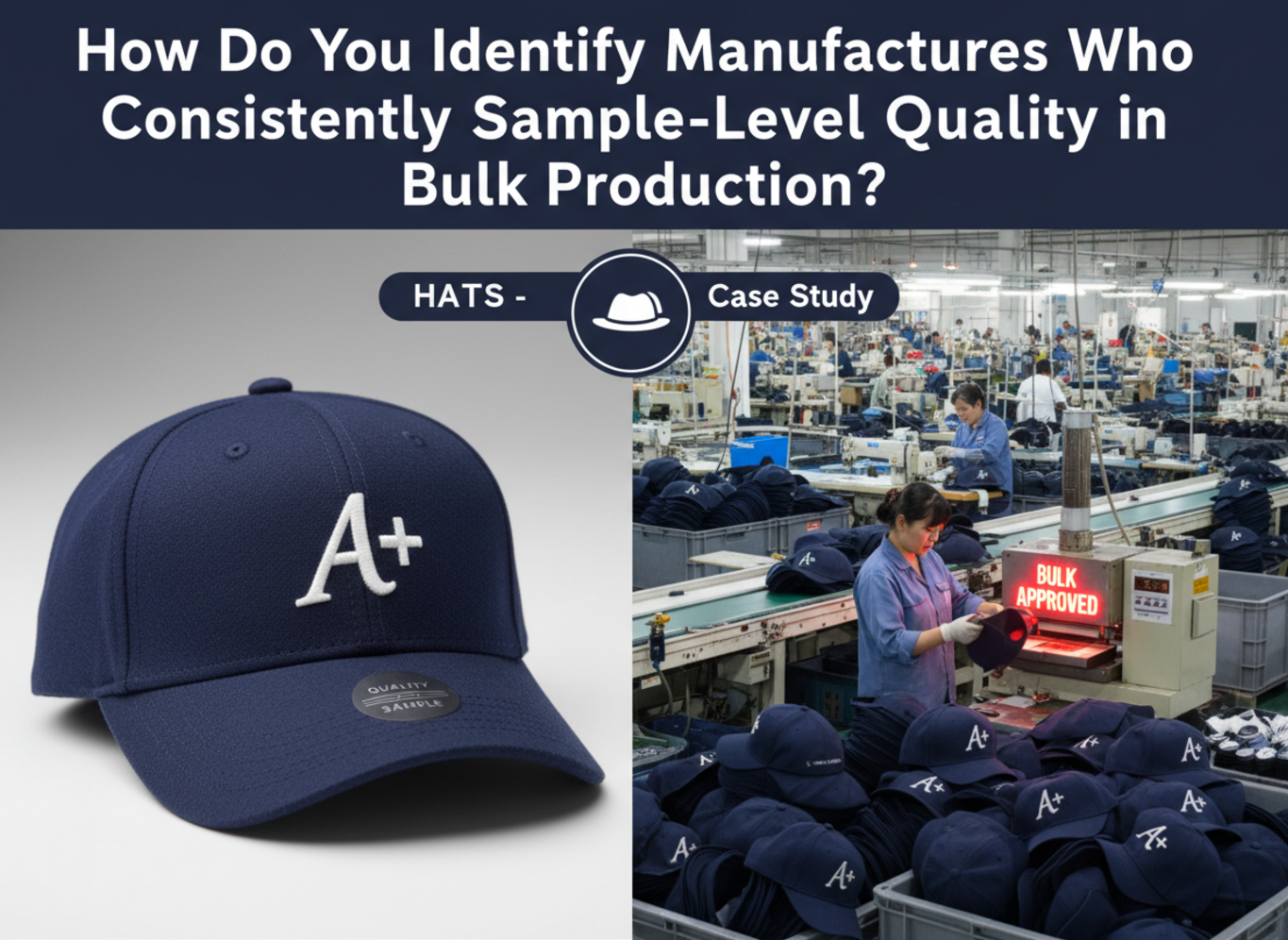
Getting a perfect sample is exciting, but receiving a bad bulk order is a nightmare. You need a factory that keeps promises every time, not just once.
To identify consistent manufacturers, request pre-production samples1, check their Quality Control (QC) reports2, and ask for client references3. Look for factories like Anthea that offer transparent communication4, visual proofs during production5, and detailed material specifications6 to ensure the final product matches the approved sample exactly.
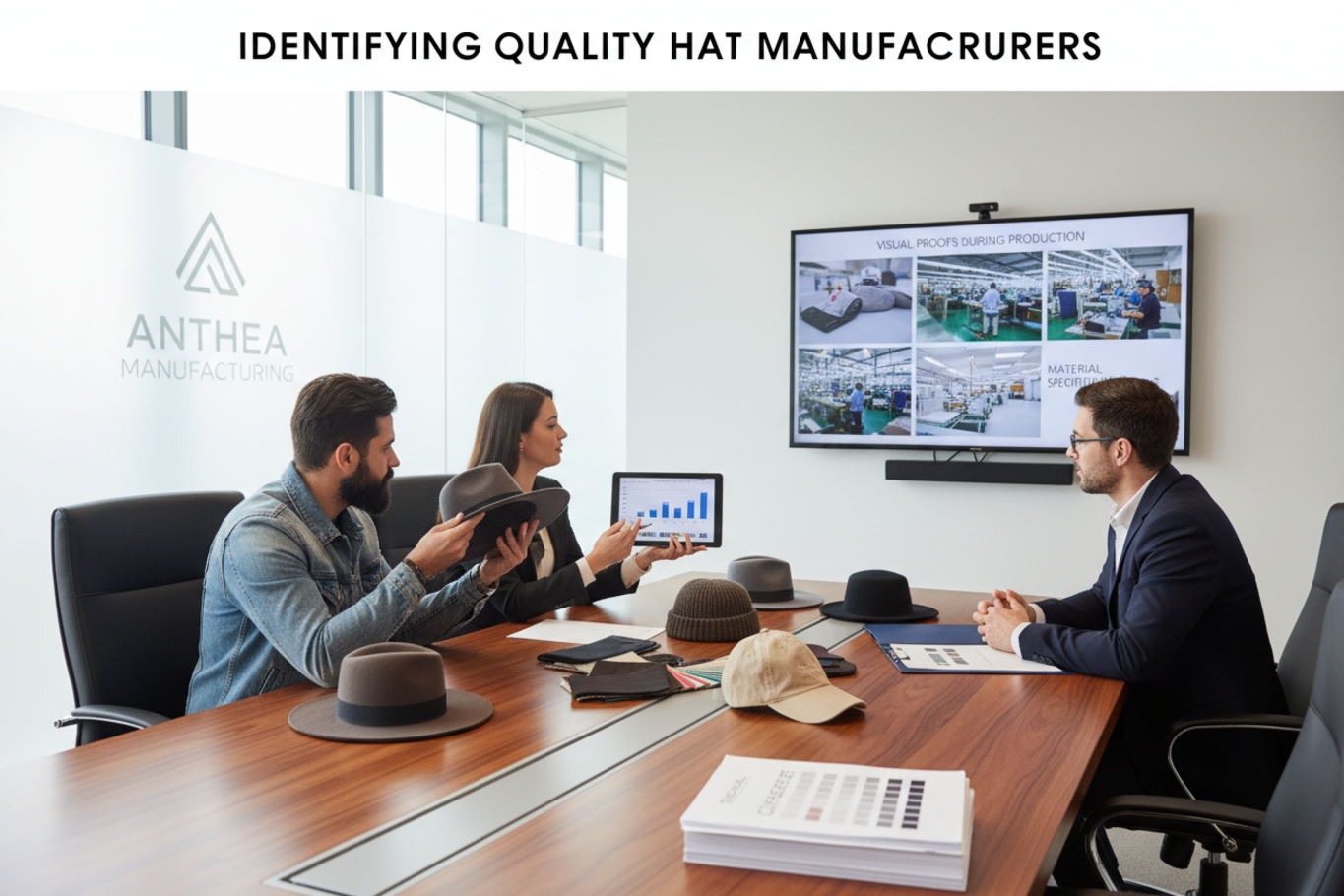
I have seen many brand owners struggle with this exact issue. It stops here. In this guide, I will show you exactly how to vet suppliers so your bulk orders always match your expectations.
How do you verify a hat manufacturer’s quality consistency?
You worry that the fabric in the bulk order will feel different. This fear is valid, but there are ways to test this before you pay.
Verify consistency by requesting a "golden sample" policy7 where the factory keeps one signed sample as a standard. Ask for video updates during the cutting and stitching stages8. Compare material swatches9 side-by-side to ensure the batch dye10 matches your original choice.
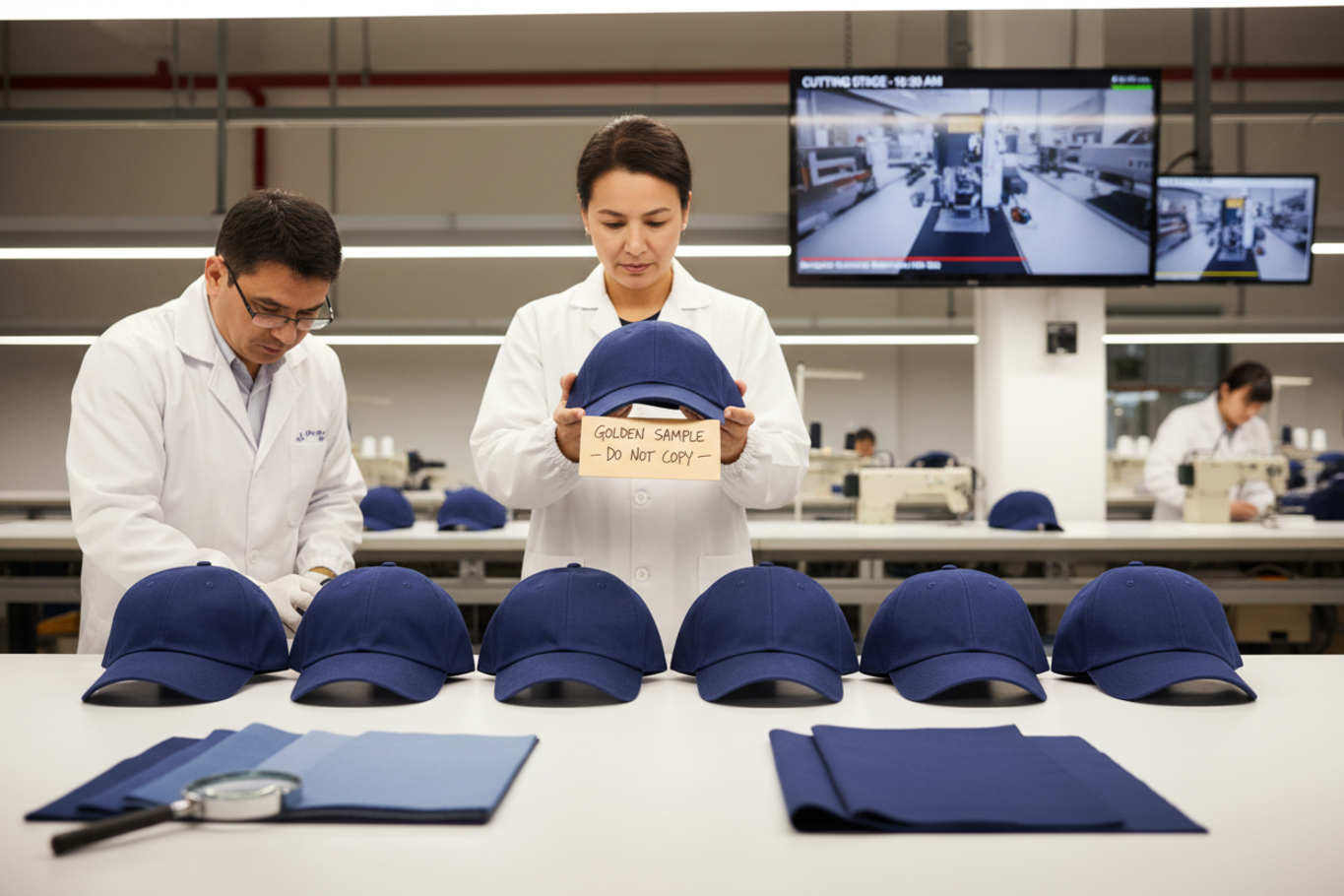
To truly understand if a factory can deliver the same hat 500 times, you must dig deeper into their process. I always tell my clients that a sample is a promise, but a system is a guarantee. You need to verify that they have a system.
The Golden Sample Rule
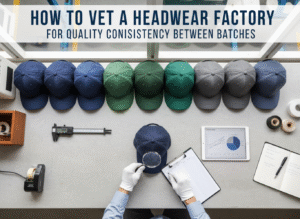
A "Golden Sample" is the final, approved version of your hat. You should sign it and date it. I keep one at my office, and the factory keeps one. When the factory starts making the bulk order, the workers on the line look at this sample. If they do not have a physical guide, they might guess on the stitching width11 or logo placement12. You must confirm that the factory manager uses this method.
Material Batch Verification
Fabric colors can change slightly between different rolls of cloth. This is common in manufacturing. However, a good factory checks this before cutting. You should ask the supplier to send you a photo of the bulk fabric next to the sample fabric under natural light13. This simple step prevents the "off-color" surprise.
Quality Control Checkpoints
You need to know when they check the quality. Is it only at the end? That is too late. At Anthea, we check at three stages.
| Stage | What We Check | Why It Matters |
|---|---|---|
| Material Arrival | Fabric color, thickness, and defects. | Prevents using bad cloth from the start. |
| Inline Inspection14 | Logo embroidery and stitching. | Fixes mistakes before the hat is assembled. |
| Final Audit15 | Shape, cleanliness, and size. | Ensures the customer gets a clean product. |
What questions should you ask before placing a bulk hat order?
Asking the right questions saves you money. Many beginners forget to ask about specific details, leading to surprises later.
Ask about their defect rate policy16 and how they handle mistakes. Inquire if they outsource production17 or own the factory. Confirm the exact timeline for pre-production samples1 and if they provide photos of the embroidery before mass stitching begins.
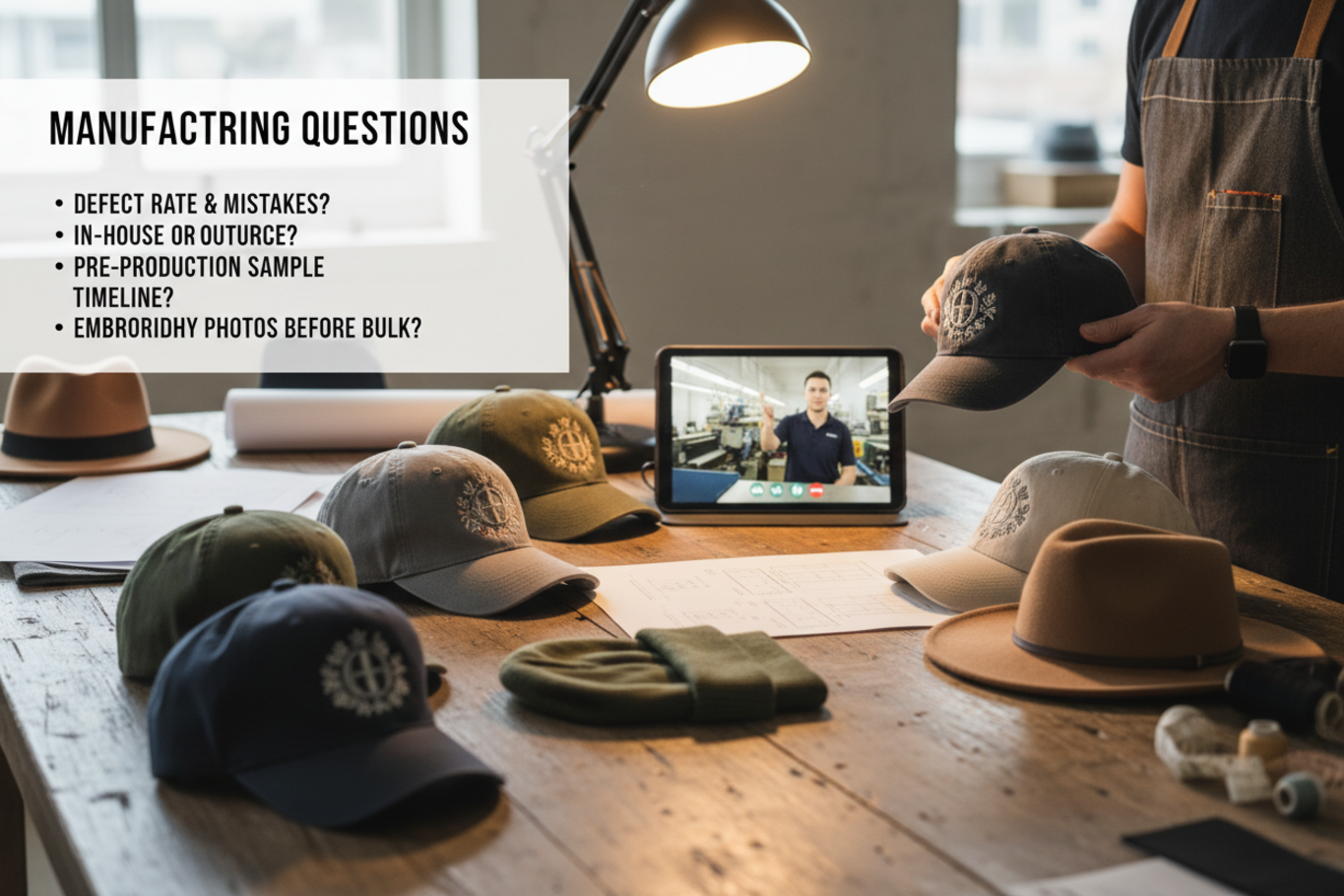
I have learned that silence is dangerous in business. You must ask loud questions to get clear answers. When I speak with a new client, I appreciate when they ask me tough questions because it shows they are serious. Here is how you should break down your questions.
Who is Making the Hats?
You need to ask: "Do you own the factory, or do you send the order to someone else?" Many companies are just traders. They take your money and pay a cheaper factory to do the work. This causes quality drops because the trader cannot control the workers. At Anthea, we are the factory. This means I can walk onto the floor and check your hats myself.
What Happens If Things Go Wrong?
No one likes to talk about mistakes, but you must. Ask this: "If 10% of the hats have crooked logos, will you refund me or remake them?" A bad supplier will say, "Don’t worry, trust me." A good supplier will say, "We will remake them for free." You need a clear policy in writing.
The Timeline Breakdown
Do not just ask "When will it be done?" Ask for a schedule.
- Date for material ordering: When does the fabric arrive?
- Date for pre-production sample: When do I see the final photo?
- Date for mass production start: When do the machines turn on?
- Date for shipping: When does it leave the door?
If they cannot give you these dates, they are not organized.
How can you tell if a supplier is reliable?
Trust is hard to build online. You need to know if they will disappear after you send the deposit or if they will stay to help.
A reliable supplier replies quickly and communicates clearly in English. They have a verified business license18 and a history of exporting to your country. Look for transparency in their pricing and a willingness to sign a contract or trade assurance agreement19.
Reliability is not about being nice; it is about consistency. I work with many creators like Ben, who are building their brands from scratch. They cannot afford to lose money. Here is how I prove reliability, and what you should look for in others.
Communication Speed and Clarity
If you send a message on WhatsApp and wait three days for a reply, that is a bad sign. In the custom hat business, things move fast. A reliable partner replies within 24 hours. Also, notice if they understand your design terms. If you say "3D embroidery" and they seem confused, run away.
Transparency in Pricing
A reliable factory gives you a full quote. This includes the mold fee, the sample fee, and the shipping cost. Some factories give a very low price per hat to hook you, but then add huge "handling fees" later. I believe in giving one clear price so you can calculate your profit.
Track Record
Ask them which countries they ship to. If they frequently ship to the USA, Canada, or Europe, they understand Western quality standards. They know that loose threads are not acceptable.
| Reliability Sign | What to Look For |
|---|---|
| Response Time | Replies within 12-24 hours. |
| Payment Safety | Accepts Trade Assurance, PayPal, or Bank Transfer. |
| Experience | Can show photos of similar past work. |
What are signs of an unreliable custom headwear manufacturer?
Ignoring red flags causes huge losses. You might see warning signs early but choose to ignore them because the price looks too good.
Watch out for prices that are far below the market average. Be careful if they refuse to send physical samples or lack a clear return policy. If they avoid video calls or cannot show you around the factory floor, they might be a middleman.
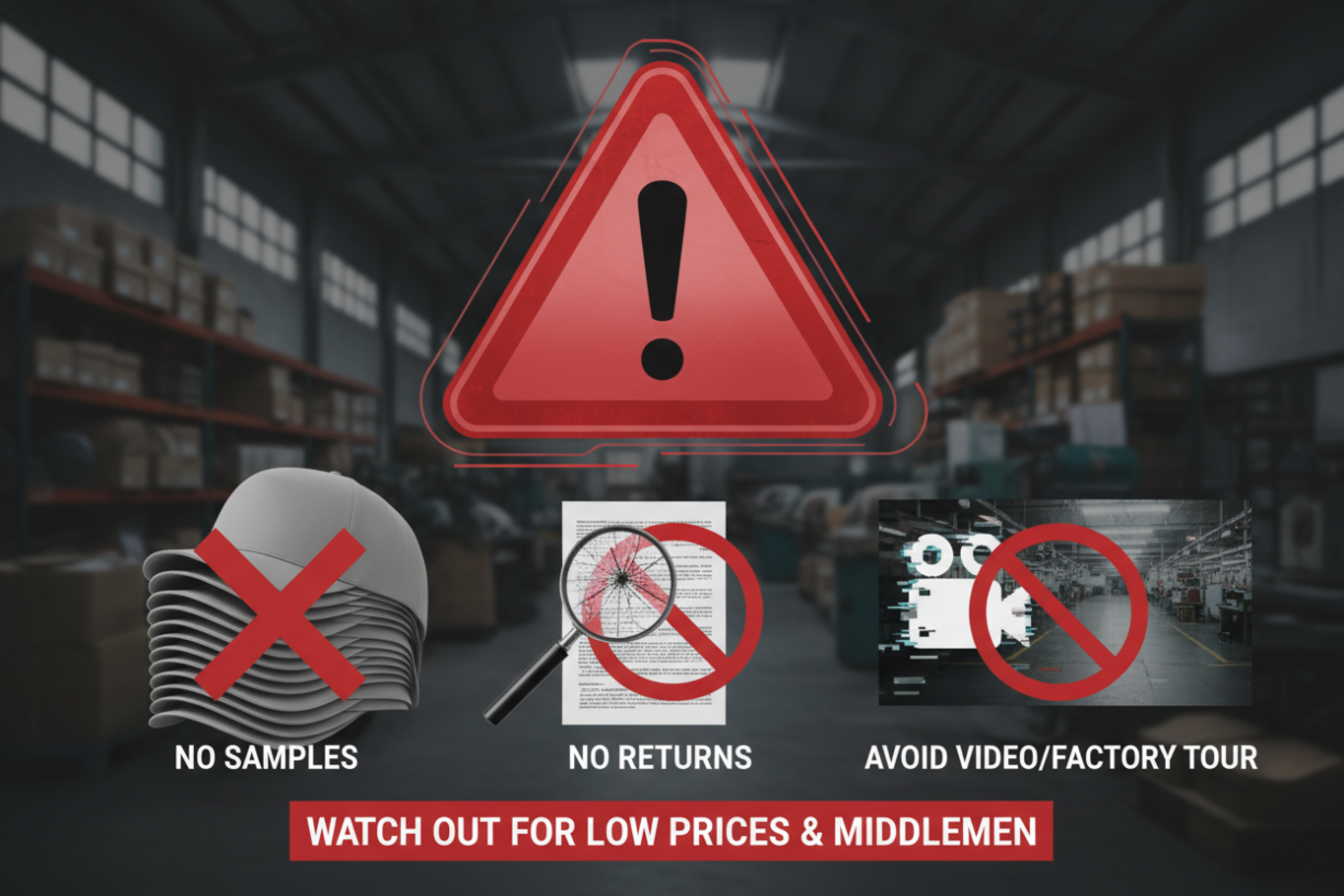
I want you to succeed, so I must warn you about the traps. Sometimes, a deal looks perfect, but it is too good to be true. I have heard stories from clients who lost thousands of dollars before finding us. Here are the red flags you must spot.
The "Yes Man" Trap
If a supplier says "Yes" to everything instantly, be careful. "Can you make this complex design in 3 days?" "Yes." "Can you match this neon color exactly without a Pantone code?" "Yes." Real manufacturing has limits. A honest partner will say, "That is difficult, but here is a solution." An unreliable one just wants your deposit.
The Price Gap
If three factories quote you $5.00, $5.20, and $5.50 per hat, and one factory quotes you $2.50, something is wrong. The cheap factory will use thin, cheap fabric. The brim will be cardboard instead of plastic. The snapback will break. In the end, you cannot sell these hats, so the "cheap" price becomes a total loss.
Lack of Visual Proof
If they refuse to send you photos during the process, they are hiding something. Maybe they are outsourcing the work to a dirty workshop. Maybe they are behind schedule. At Anthea, we send photos of the embroidery, the sewing, and the packaging. If they hide the process, they are unreliable.
Vague Location Details
A real factory is proud of its location. An unreliable trader will hide their address or give a residential address. You can check this on Google Maps. If the address looks like an apartment building, they are not a factory.
How do you audit a hat factory remotely?
You cannot always fly to China. However, you still need to see the factory with your own eyes to feel safe about your order.
Use video calls to inspect the production line in real-time. Ask the sales rep to write your name on a piece of paper and hold it next to the machines. Check third-party verification reports on platforms like Alibaba or Made-in-China to confirm their factory status.
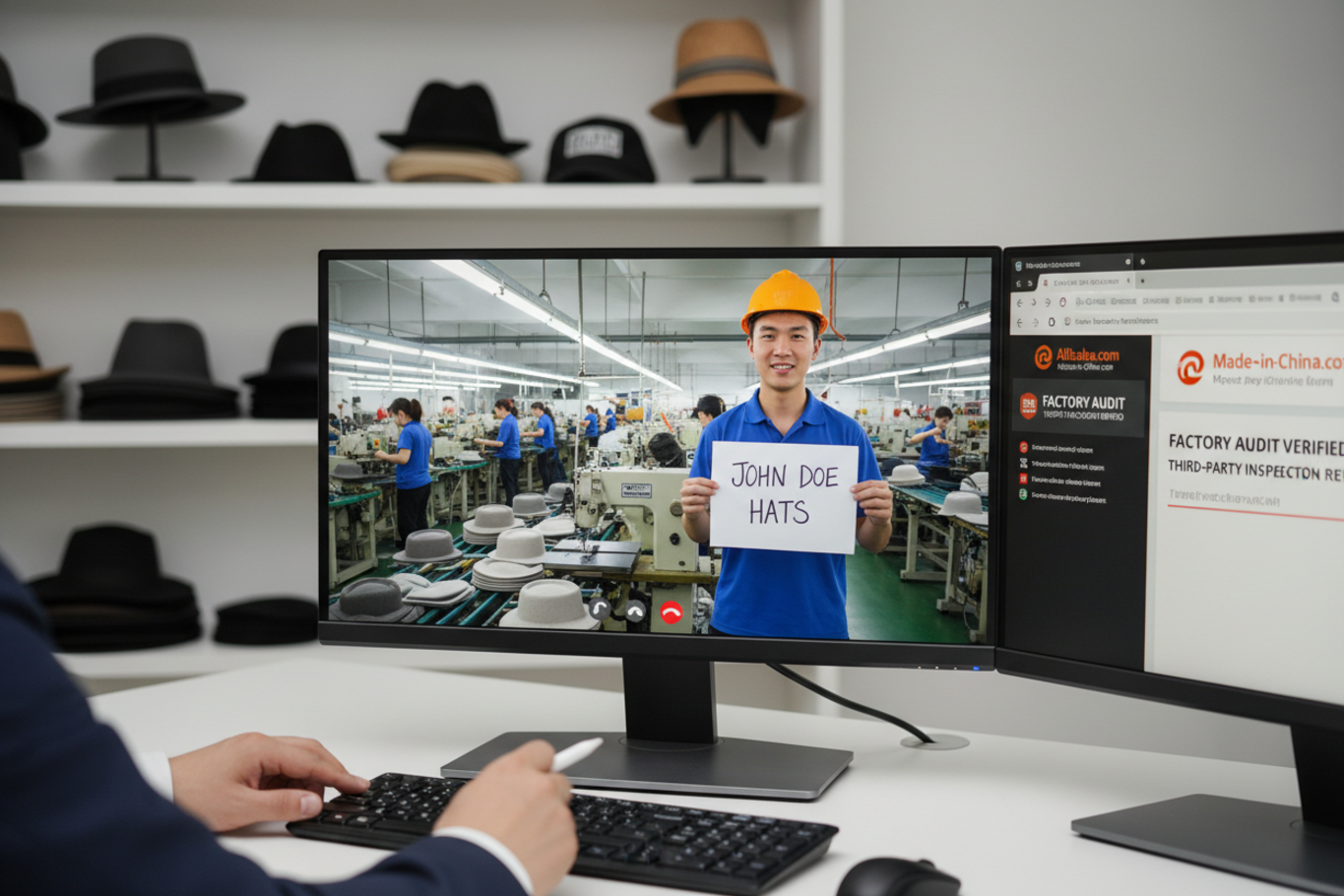
You do not need a plane ticket to check a factory. You have a smartphone. Technology makes it easy to see who you are working with. I encourage my clients to do this because it builds trust. Here is how you can be a detective from your home office.
The Live Video Call
This is the best tool. Schedule a Zoom or WhatsApp video call during China’s working hours. Do not settle for recorded videos. Ask them to walk onto the production floor. Look at the machines. Are they running? Look at the floor. Is it clean? A messy floor means messy work.
The "Proof of Life" Test
Traders often use fake photos from the internet. To stop this, ask the sales rep to do a specific task. Ask them to write your brand name and the current date on a piece of paper. Then, ask them to hold it next to a finished hat or an embroidery machine. If they can do this, they really have access to the product.
Third-Party Verification
You can hire a third-party inspection agency20. Companies like SGS or Intertek can send a person to the factory for a fee. However, for smaller orders, this might be too expensive. A cheaper way is to look at their Alibaba or Made-in-China profile. Look for the "Verified Supplier" tag. This means an agent has visited their building.
| Audit Method | Cost | Effectiveness |
|---|---|---|
| Video Call | Free | High (if done live) |
| Google Maps | Free | Medium (checks location only) |
| Inspection Agent | $200-$300 | Very High |
| Sample Order | Cost of Sample | High (checks product quality) |
Conclusion
Finding a partner like Anthea requires asking tough questions and demanding visual proof. Do not settle for less than total transparency to ensure your brand grows safely.
-
Learn what to request, how to judge workmanship, and how samples protect you before committing to bulk production. ↩ ↩
-
Seeing real QC report standards helps you verify a factory’s process and spot missing checkpoints before issues happen. ↩
-
A good reference-check script can reveal consistency, communication quality, and how problems were handled on past orders. ↩
-
Guides and checklists help you set expectations so you get clear updates instead of vague promises. ↩
-
Examples of in-process photos/videos show what to ask for to catch errors early, not after everything is finished. ↩
-
Spec templates help ensure fabrics, trims, and construction match your approved sample and reduce surprise substitutions. ↩
-
Learn how to lock the approved standard so bulk output matches the exact reference sample on the production line. ↩
-
Knowing what to inspect in live updates helps you verify real production and catch workmanship issues immediately. ↩
-
Best practices for swatch comparison reduce risk of wrong fabric feel, weight, or finish versus your target sample. ↩
-
Color-consistency methods (lighting, tolerance, lab dips) help avoid costly off-shade bulk deliveries. ↩
-
Understanding process controls shows whether the factory can repeat the same quality across hundreds of units. ↩
-
Clear placement standards and measurement methods prevent crooked or misaligned branding in mass production. ↩
-
Learn proper viewing conditions to detect real color shifts that artificial lighting can hide. ↩
-
Inline checks are key to stopping recurring errors early—resources show how they’re run and documented. ↩
-
A solid final audit framework helps you confirm cleanliness, sizing, and finishing before goods ship. ↩
-
Industry benchmarks help you negotiate realistic defect allowances and clear remedies like rework or refunds. ↩
-
Verification tactics help you avoid middlemen that reduce control and increase quality variability. ↩
-
License-check steps reduce fraud risk and confirm you’re dealing with a legitimate, traceable company. ↩
-
Learn the protections, limitations, and best practices so your payments and delivery terms are safer. ↩
-
Comparisons and service scopes help you choose an inspector that matches your budget and risk level. ↩