
Two bucket hats can look the same in photos — but feel totally different in hand. The difference? Construction, materials, and weight.
Bucket hat weights vary from 50g to 130g depending on fabric type, interfacing, stitching density1, and construction methods. These differences often signal manufacturing quality2 and impact pricing, comfort, and durability.
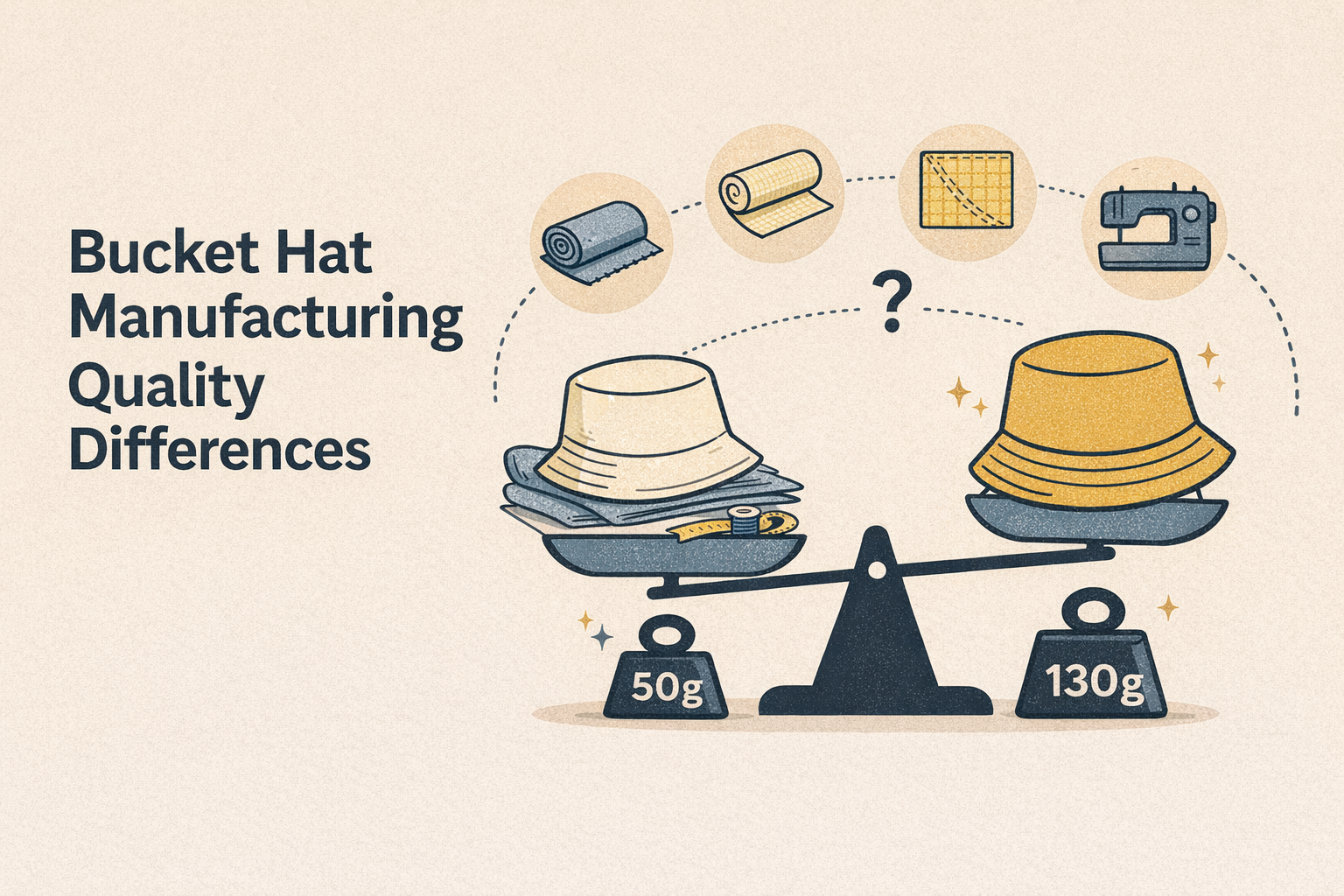
Let’s explore why hat weight matters — and how to evaluate suppliers before you place a bulk order.
How do manufacturing methods affect bucket hat weight?
The structure of a bucket hat isn’t random. How it’s made changes everything from shape to how heavy it feels.
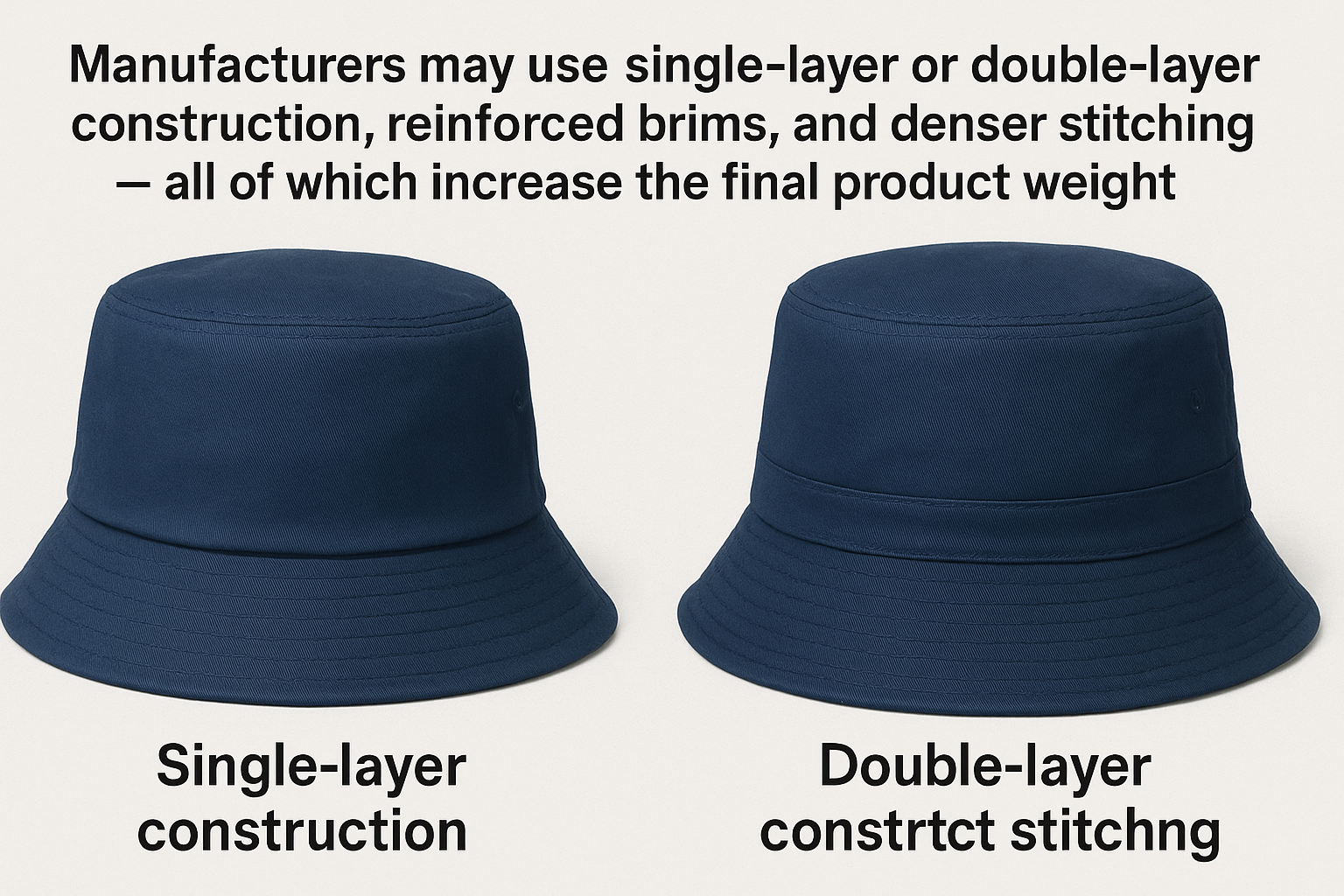
Manufacturers may use single-layer or double-layer construction3, reinforced brims, and denser stitching — all of which increase the final product weight.
Layers, lines, and how it all stacks up
Some suppliers produce lighter hats by simplifying construction. That might mean single-layer panels, a thin brim with no interfacing, or skipping internal seams altogether. While this lowers production time and shipping weight, it also reduces structure, comfort, and long-term wear.
In contrast, higher-end manufacturers add:
- Double-layer crown panels for thickness and shape retention
- Brim interfacing (medium or heavy-weight) to prevent sagging
- Extra stitching rows (6–8) around the brim for visual detail and stability
These build choices increase total weight — often by 20–40g — but make the hat feel premium. At Anthea, we often advise clients based on end use. For festivals or giveaways, light makes sense. For retail? Weight builds value.
| Method | Lightweight Hat | Heavyweight Hat |
|---|---|---|
| Crown panels | Single-layer | Double-layer with lining |
| Brim structure | Unreinforced | Reinforced with interfacing |
| Stitching (brim) | 2–4 rows | 6–8 rows |
| Sweatband | Basic cotton strip | Padded or branded |
What role does material choice play in weight?
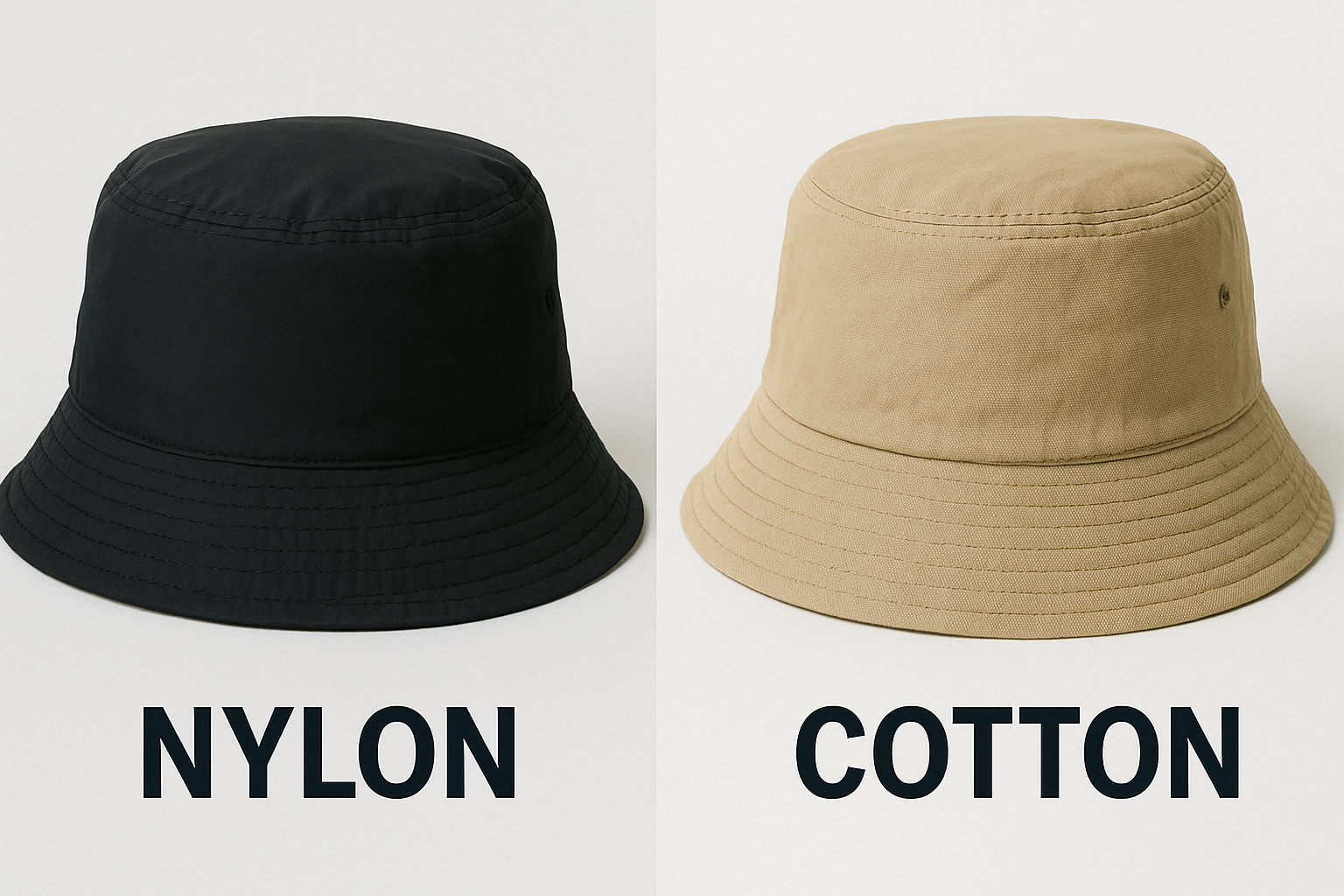
Not all cotton is created equal — and not all suppliers use the same fabric spec, even if the label says “canvas.”
Lightweight polyester or nylon can reduce hat weight below 60g, while heavy cotton canvas or denim pushes weight above 100g.
Not just the fabric, but the fabric’s DNA
Fabric weight is usually measured in GSM (grams per square meter). Here’s how different fabrics used in bucket hats typically compare:
| Material | Common GSM | Weight Impact |
|---|---|---|
| Lightweight Nylon | 70–90 GSM | Very light (<60g) |
| Cotton Twill | 180–220 GSM | Medium (70–90g) |
| Canvas (100% cotton) | 220–280 GSM | Heavy (90–120g) |
| Denim | 300+ GSM | Extra heavy (>120g) |
Suppliers might use lighter GSM cotton to reduce material cost. This can save money, but makes hats feel thinner. If you’re sourcing for outdoor or streetwear brands, slightly heavier material adds quality your customers will notice.
Some also use polyester-cotton blends4 for a balance — durable, slightly lighter, and cost-effective. Ask for swatches and GSM specs to understand what you’re paying for.
Is hat weight a reliable signal of quality?
Weight isn’t everything — but it tells you a lot. Especially when comparing suppliers.
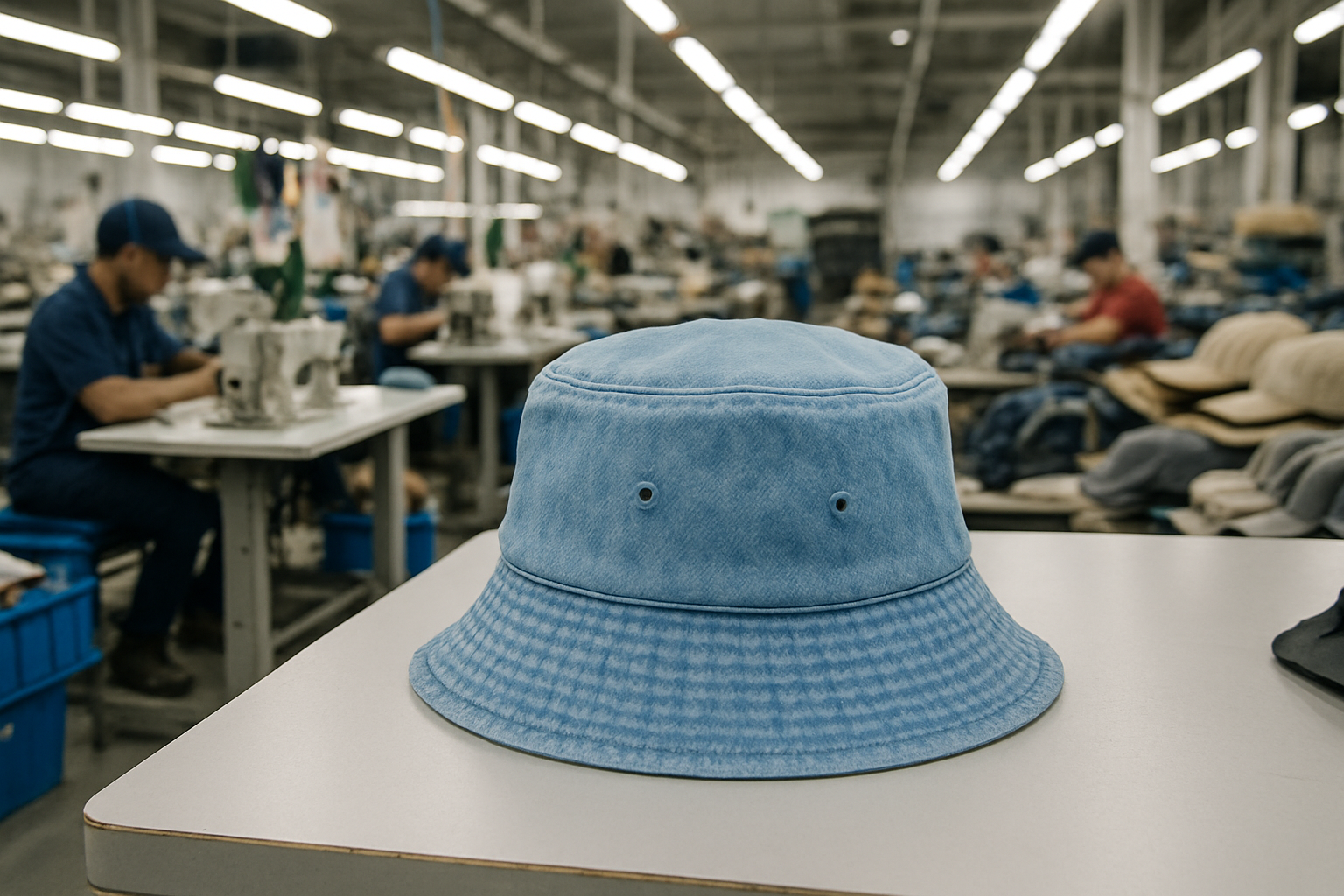
Heavier bucket hats often indicate better materials and multi-layer construction, while ultra-light versions may skip reinforcements to cut costs.
What we’ve learned from years of manufacturing
Some of our clients used to work with different factories before switching to us. One of the biggest complaints? Inconsistent weight. One sample was solid; the bulk order was flimsy.
Why? Because weight often gets lost in translation if it’s not specified. At Anthea, we always include estimated final weight per unit in our product spec sheet — based on actual samples, not guesses.
Here’s a comparison from two recent orders:
| Order | Fabric | Build Details | Final Weight |
|---|---|---|---|
| Supplier A | Cotton canvas | Unlined brim, 2-row stitch | 68g |
| Anthea sample | Cotton canvas | Reinforced brim, 6-row stitch | 104g |
Same style. Same fabric. But different construction — and a completely different final product.
Weight can’t be your only quality check, but it’s a solid signal of what’s inside the hat.
What should buyers ask when comparing suppliers?
Samples help — but they’re not always possible. Specs and transparency help you judge quality from a distance.
Ask for GSM of materials, brim interfacing5 details, and final unit weight6 before confirming large orders with any new bucket hat manufacturer.
What to include in your supplier checklist7
When comparing bucket hat suppliers, here’s what we recommend asking:
- Fabric GSM (ask for actual test reports or roll specs)
- Construction method (single vs double panel, stitching details)
- Brim interfacing (type, stiffness, brand if possible)
- Estimated unit weight (sample-based, not estimated)
- Packaging type (tight packing can crease heavier hats)
- Carton specs (how many per box, total carton weight)
At Anthea, we offer all of the above before production. We also help clients choose between light, standard, or reinforced builds based on use case — like festivals, online retail, or corporate gifting.
Conclusion
Weight isn’t just a number. It’s a reflection of how your product is made — and how your brand is perceived. Ask the right questions before you order.
Contact
Anthea Custom Headwear Co., Ltd.
🌐 Visit Website
📧 [email protected]
📱 WhatsApp: +86 18132712127
-
Find out how stitching density contributes to the durability and visual appeal of bucket hats. ↩
-
Explore how manufacturing quality impacts comfort, durability, and pricing of bucket hats. ↩
-
Learn about the benefits of double-layer construction for better shape retention and durability. ↩
-
Learn how polyester-cotton blends offer a balance of durability and cost-effectiveness. ↩
-
Discover how brim interfacing prevents sagging and enhances the overall quality of bucket hats. ↩
-
Understanding final unit weight helps you gauge the quality and construction of bucket hats. ↩
-
A comprehensive supplier checklist ensures you make informed decisions when sourcing bucket hats. ↩