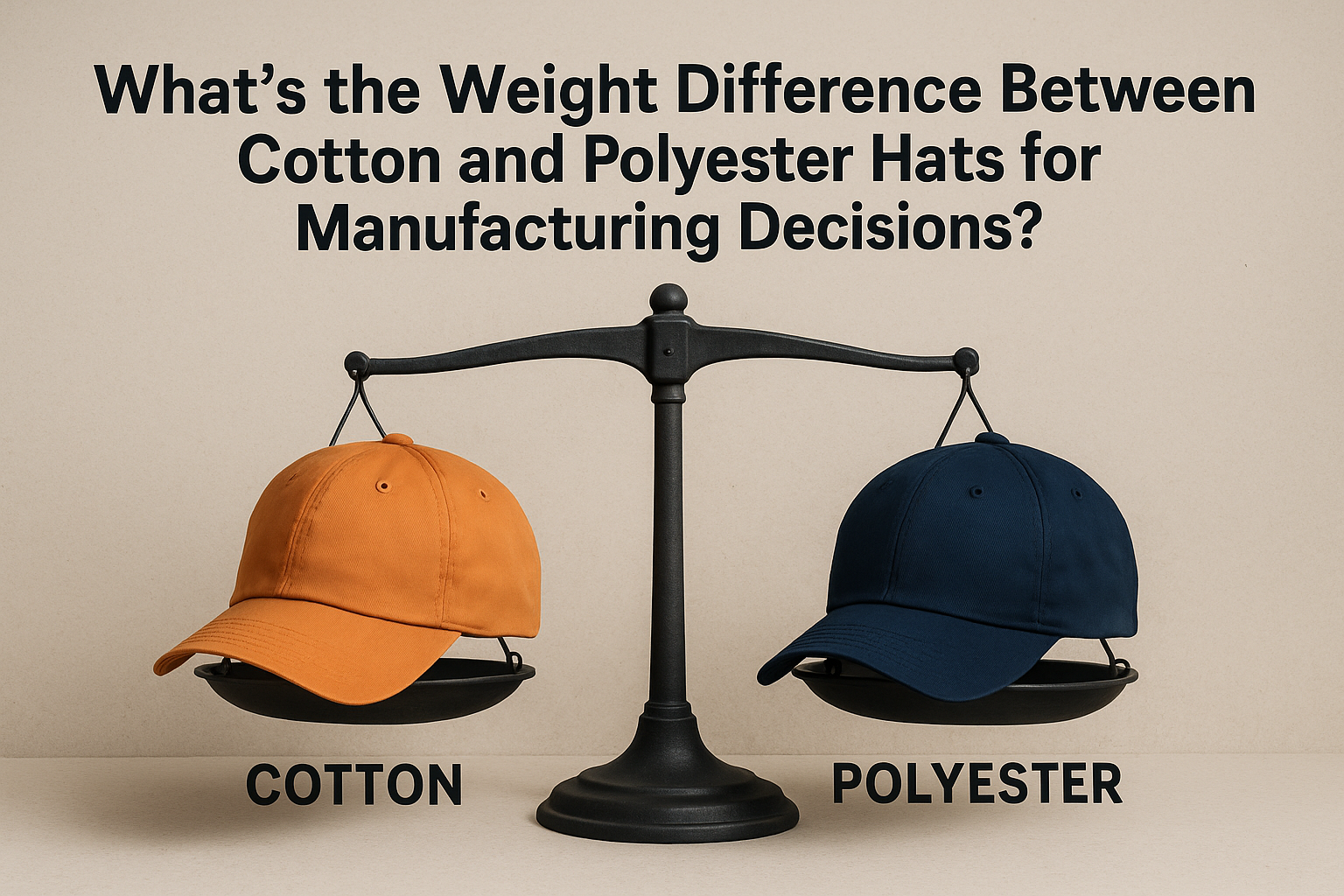
Choosing the right hat material isn’t just about looks. Weight matters for comfort, production cost1, and shipping. Cotton and polyester each bring something different to the table.
Cotton hats2 typically weigh 90–110g, while polyester hats3 are lighter at 70–90g. Material weight affects cost, comfort, structure, and shipping — all key factors when manufacturing at scale.
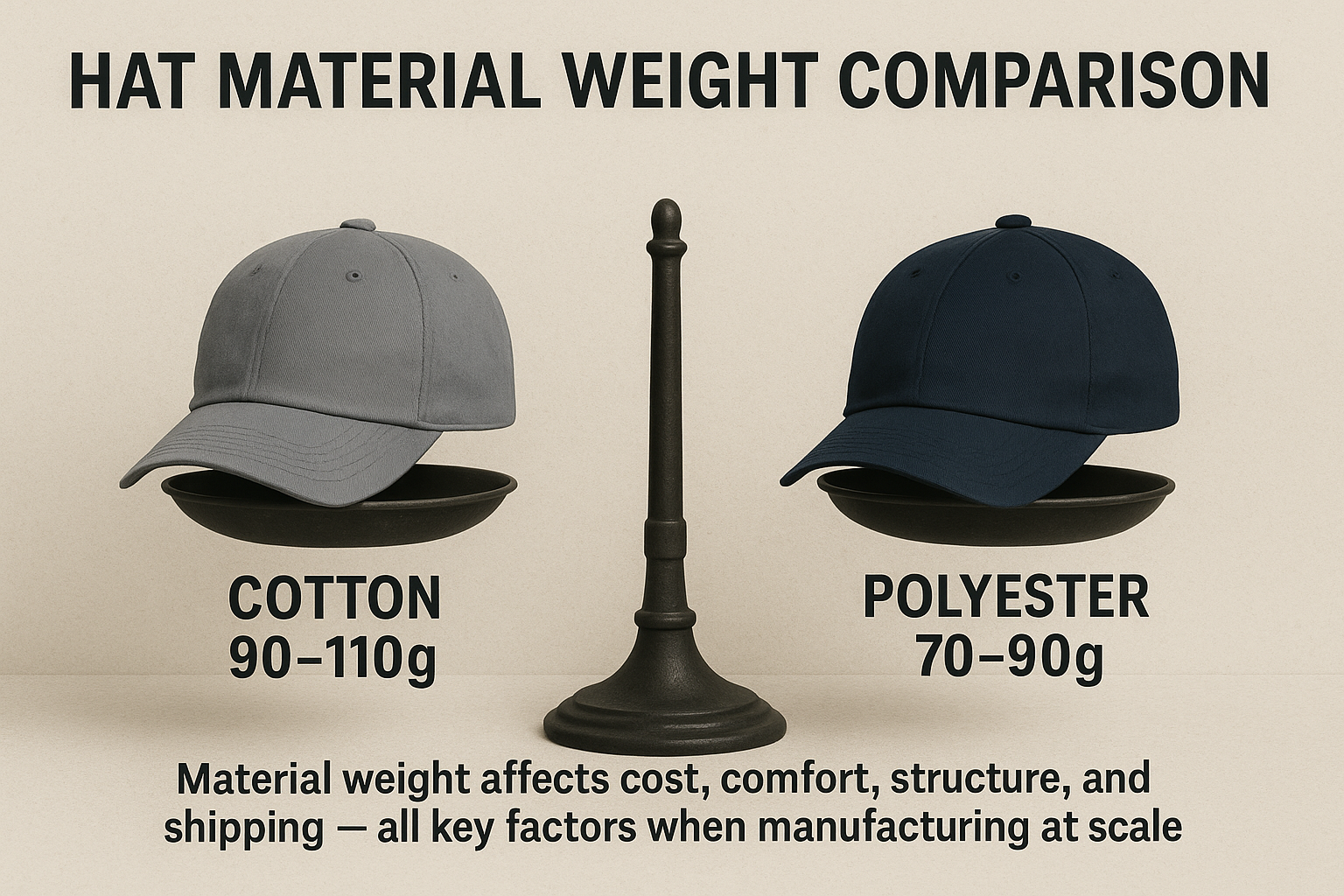
Let’s break down how material choice affects your product’s weight — and how that weight influences comfort, durability4, and cost.
How does material density affect hat weight?
The fiber type and weave density directly affect how heavy a hat feels — and performs — in real life.
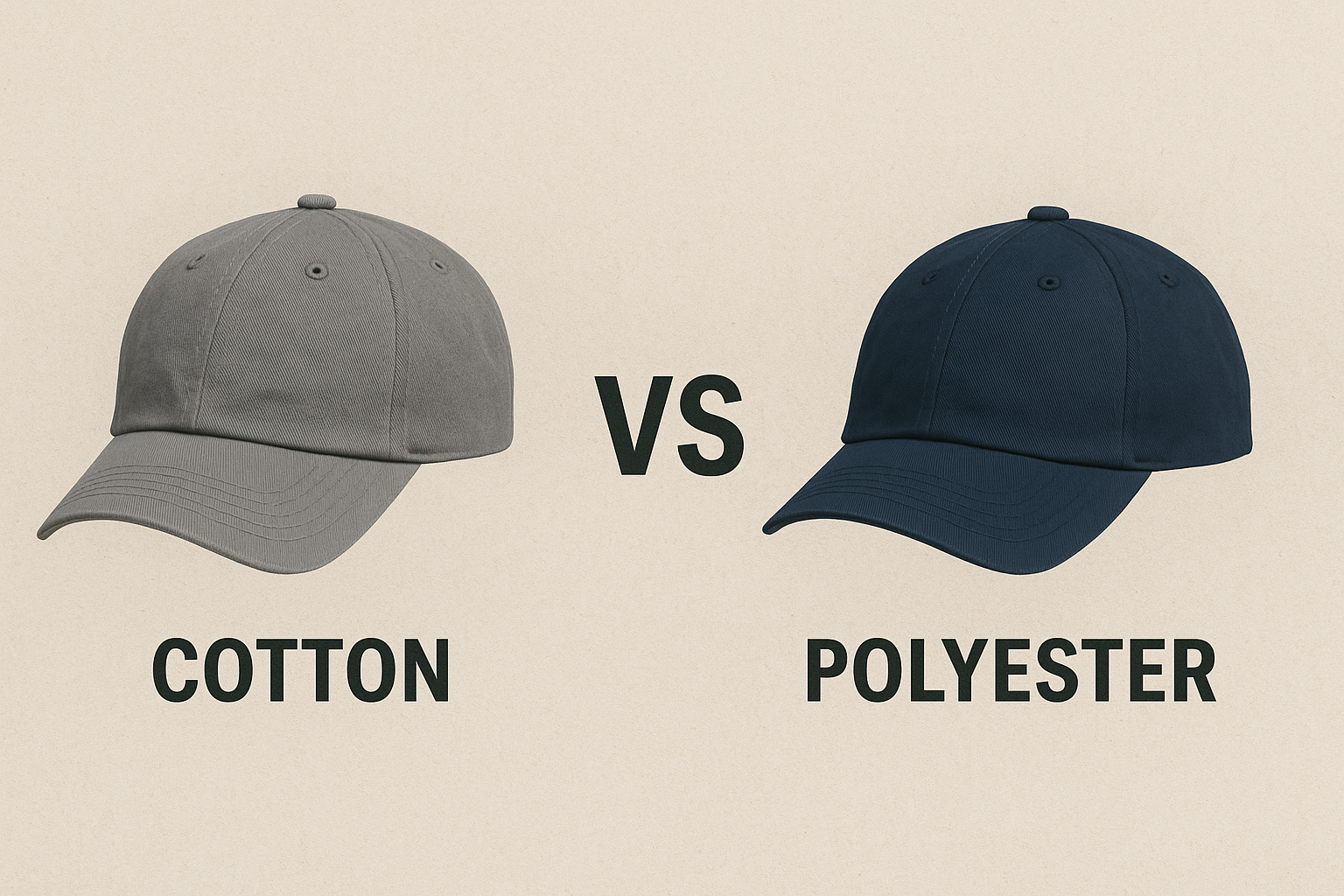
Cotton is denser and more absorbent, making it heavier. Polyester is lighter and less absorbent, ideal for performance-focused caps.
Why GSM5 and structure matter
GSM5 (grams per square meter) measures fabric density. For hats, typical cotton twill ranges from 200–240 GSM5. That gives it a solid hand feel and visual weight that many premium brands prefer. Polyester fabrics used in caps often fall between 120–180 GSM5, offering a lighter and more flexible experience.
The shape and internal construction matter too. Cotton caps tend to hold structure better — especially when paired with buckram reinforcement. Polyester caps often prioritize comfort and breathability6, relying on mesh panels or flexible brims7. This can reduce overall weight, but may sacrifice that “substantial” feel some customers associate with quality.
| Material | Typical GSM5 | Base Weight Range | Structure |
|---|---|---|---|
| Cotton Twill | 200–240 | 90–110g | Firm, premium feel8 |
| Polyester | 120–180 | 70–90g | Lightweight, flexible |
Weight alone doesn’t determine quality. But it influences how a hat sits on the head, how it holds shape, and how it’s perceived in the market.
What are the trade-offs between weight and durability4?
Lighter doesn’t always mean better. And heavier isn’t always more durable.
Polyester is stronger by weight and resists wear. Cotton, while heavier, offers comfort and structure but may shrink or fade faster.
Material choice vs long-term performance
Polyester hats tend to outperform cotton in terms of abrasion resistance, moisture management9, and shape retention. They’re ideal for outdoor use, sports teams, or activewear brands. They dry faster and don’t lose color as easily after washing.
Cotton wins in terms of touch, breathability6, and heat management. It’s more comfortable in warm weather and provides a natural, upscale look. But cotton can shrink if washed improperly, and the colors may fade over time — especially if exposed to sun or sweat frequently.
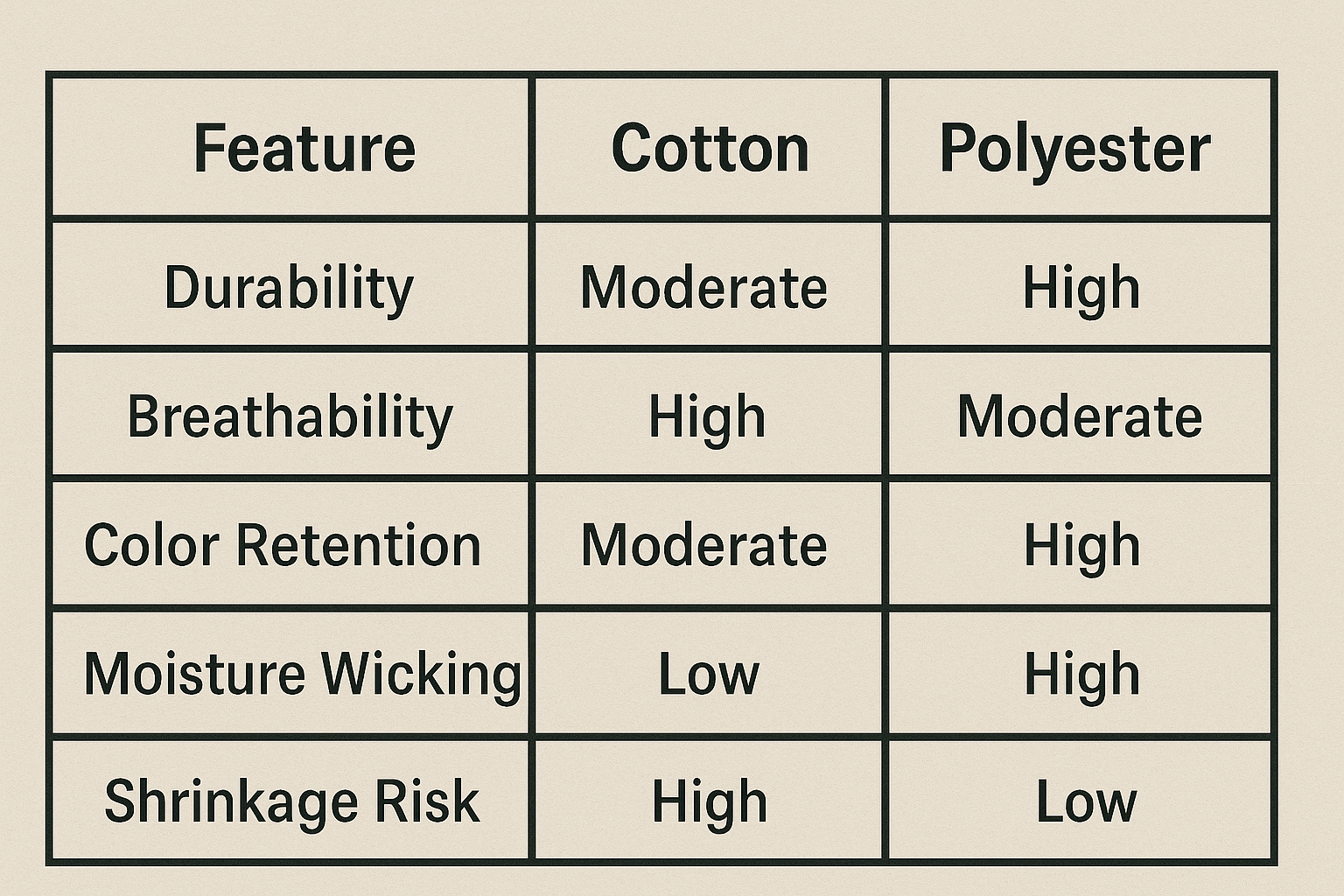
Here’s how they compare on key performance points:
| Feature | Cotton | Polyester |
|---|---|---|
| Durability | Moderate | High |
| Breathability | High | Moderate |
| Color Retention | Moderate | High |
| Moisture Wicking | Low | High |
| Shrinkage Risk | High | Low |
Choosing between them often comes down to use case: is the hat for streetwear or sports? One-day giveaways or long-term wear? Anthea helps you balance these needs based on your audience.
What do customers prefer: breathable cotton or lightweight polyester?
Customer preference depends on climate, brand identity, and wear purpose.
Cotton is loved for softness and breathability6. Polyester wins for activewear and lightweight feel. Fashion vs function matters here.
Know your customer — know your fabric
We’ve worked with brands across the spectrum — fashion-forward labels, fitness merch startups, and event organizers10. The customer base changes the fabric decision every time.
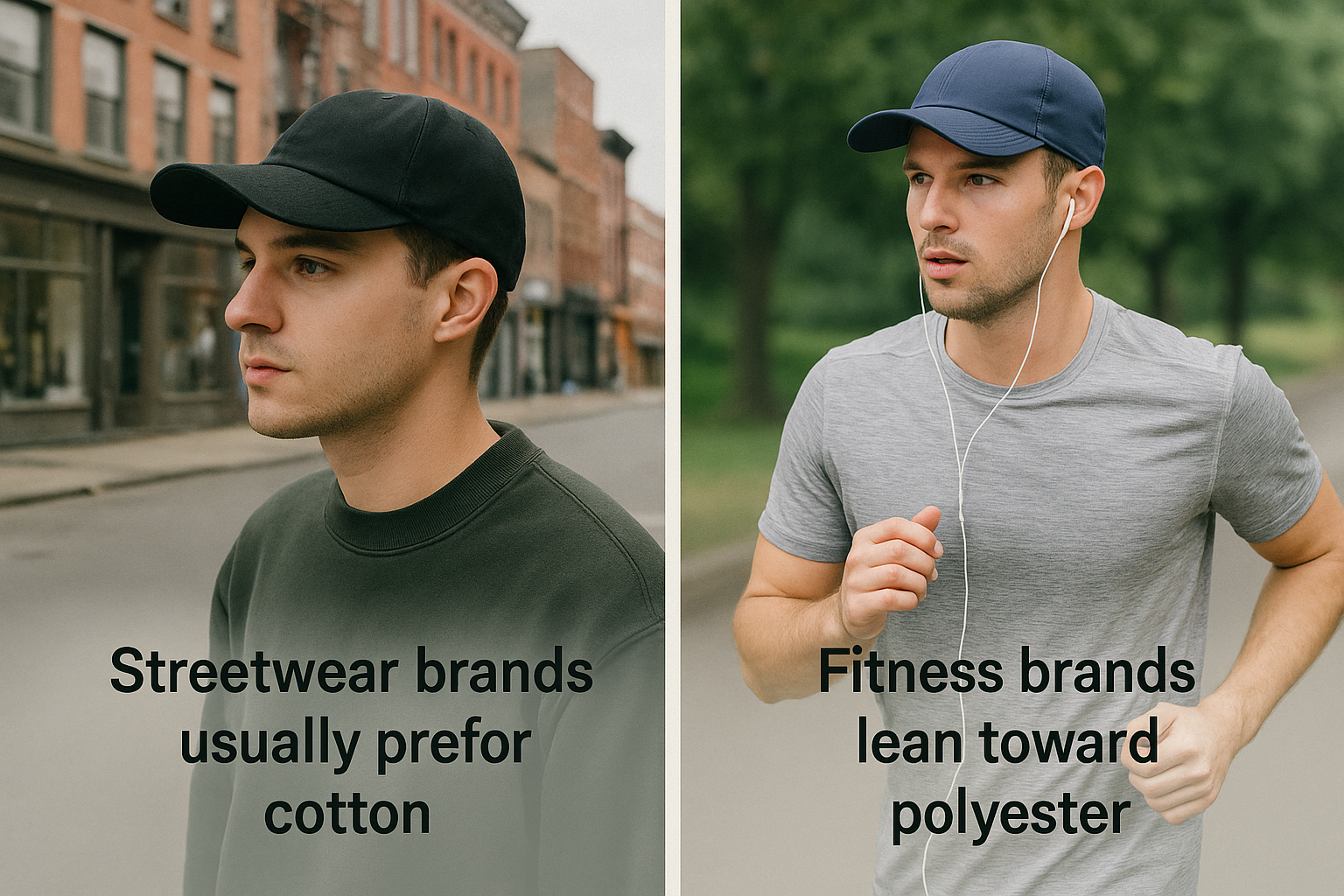
- Streetwear and fashion brands usually prefer cotton. The structure and weight feel more premium, and the heavier fabric holds embroidery better.
- Outdoor and fitness brands lean toward polyester. It’s sweat-friendly, holds color through wear, and keeps things light.
- Promotional campaigns often use polyester or blends. They lower shipping weight11 and costs, making it easier to distribute at scale.
Here’s a snapshot:
| Customer Type | Preferred Material | Reason |
|---|---|---|
| Fashion Brands | Cotton | Premium feel, structure, visual weight |
| Fitness Merch | Polyester | Lightweight, moisture-wicking |
| Event/Giveaway Teams | Polyester or Blend | Cost-effective, lightweight for shipping |
Don’t just pick what looks best — pick what works best for your customers’ lifestyle.
How does hat material affect production cost1 and logistics?
Weight directly influences price — both in production and international shipping.
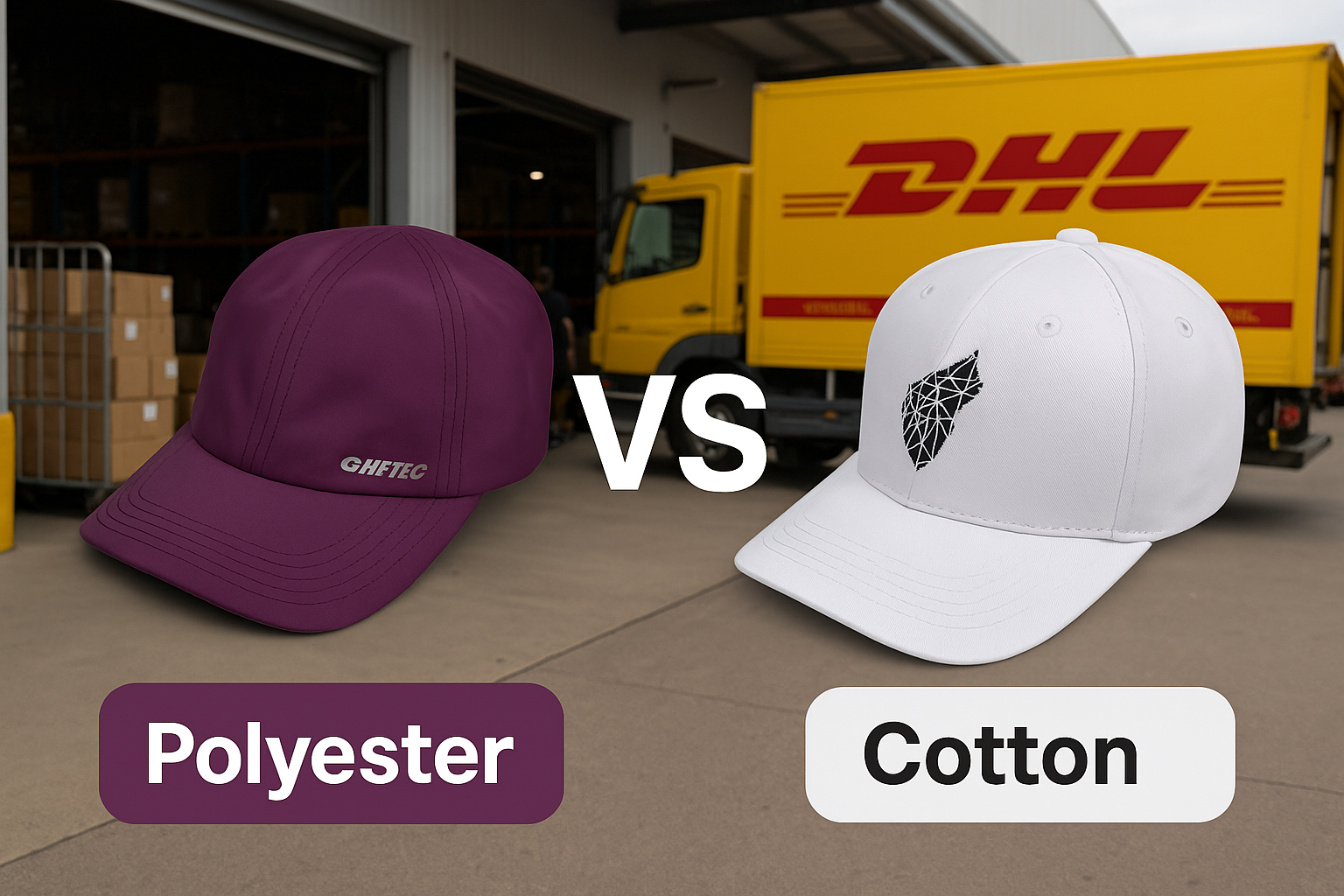
Heavier cotton increases material cost and shipping charges. Polyester reduces freight weight but may need premium finishes to match cotton’s feel.
Price, freight, and the hidden cost of grams
Even a 20g difference per cap adds up quickly in global shipping. For a 500-piece order:
- Cotton caps (avg. 100g) = 50 kg total
- Polyester caps (avg. 80g) = 40 kg total
That’s a 10 kg difference that can change shipping tiers, especially for air freight.
Anthea provides detailed spec sheets upfront — including:
- Material GSM5
- Estimated unit weight (sample-verified)
- Carton sizes (typically 50–100 caps per carton)
- Gross vs net weight for freight planning
We’ve seen brands save hundreds of dollars per shipment by adjusting material or mixing cotton/poly styles to optimize weight vs feel. We also help estimate whether sea or express shipping is better depending on launch timelines.
Planning for weight isn’t just logistics — it’s smart business.
Conclusion
Material weight isn’t a small detail. It impacts comfort, cost, and how your product performs. Pick based on your brand’s needs—not just the price per gram.
Contact
Anthea Custom Headwear Co., Ltd.
🌐 Visit Website
📧 [email protected]
📱 WhatsApp: +86 18132712127
-
Discover how different materials impact production costs, crucial for budgeting in hat manufacturing. ↩ ↩
-
Explore the advantages of cotton hats, including comfort and breathability, which are essential for various uses. ↩
-
Learn about the benefits of polyester hats, especially their lightweight nature and durability for activewear. ↩
-
Explore how different materials impact the durability of hats, helping you choose the right one for your needs. ↩ ↩
-
Understand GSM and its significance in fabric density, which affects the quality and feel of hats. ↩ ↩ ↩ ↩ ↩ ↩
-
Find out why breathability is a key factor in choosing hat materials for comfort and performance. ↩ ↩ ↩
-
Discover the advantages of flexible brims in hats, enhancing comfort and usability for various activities. ↩
-
Understand what constitutes a premium feel in hat materials and why it matters for brand perception. ↩
-
Learn about moisture management in fabrics and its importance for comfort in activewear hats. ↩
-
Learn about the material preferences of event organizers for promotional hats, focusing on cost-effectiveness. ↩
-
Learn how shipping weight influences overall costs, especially when ordering in bulk. ↩