You want to build a brand that women love, but poor quality returns can kill your business fast. Nothing hurts a fashion brand more than reviews complaining about bad fits or cheap fabric.
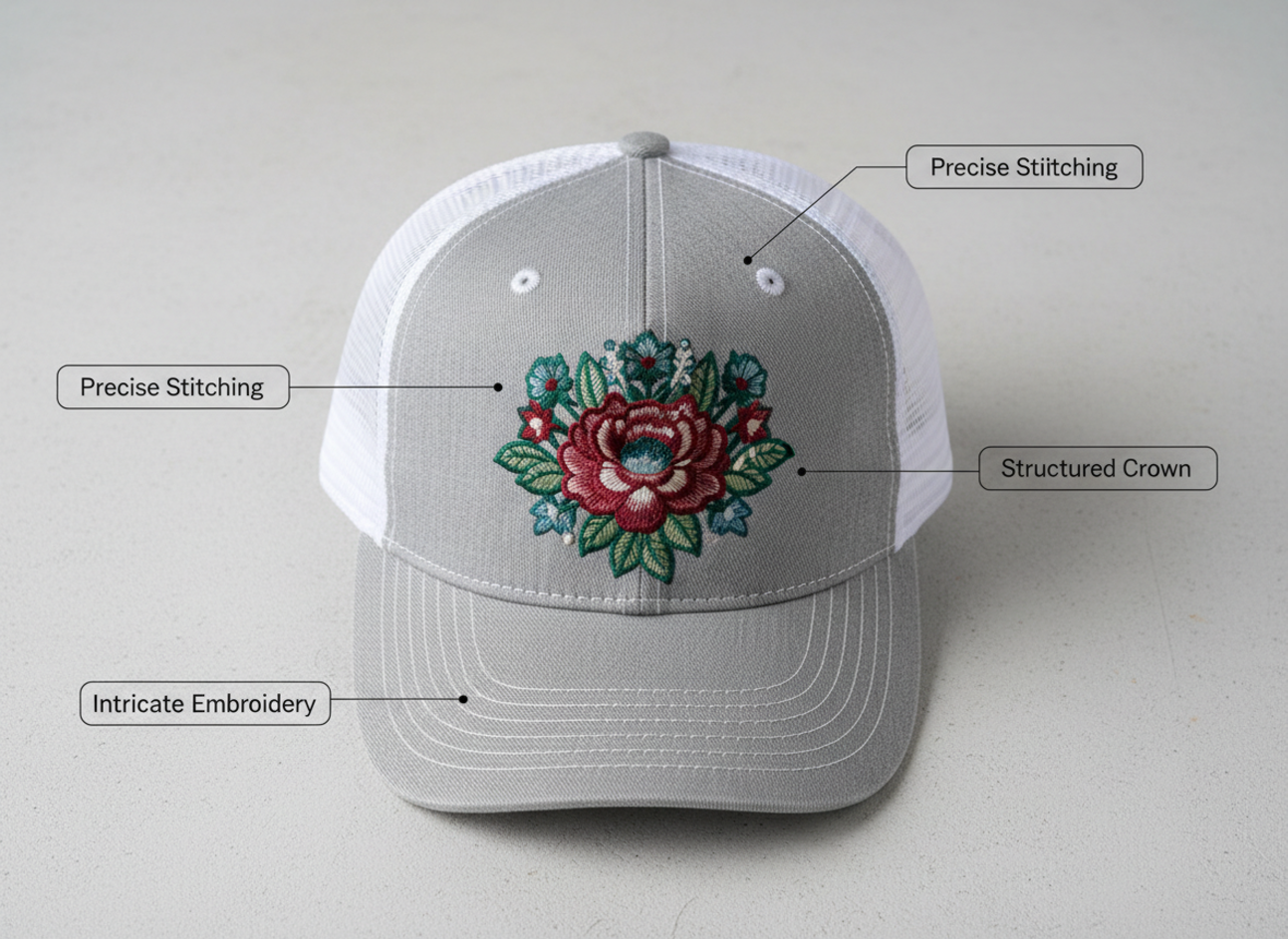
The most important quality standards for women’s trucker hats are consistent sizing1, material breathability2, and precise stitching3. A high-quality hat must feature a smooth foam front4 to absorb sweat, soft mesh panels5 for ventilation, and a durable bill6 for sun protection. These elements ensure the hat looks good and performs well.

Let’s look at the specific details you need to check. I want to walk you through the exact criteria I use in my factory to ensure every hat is retail-ready.
What Are the Key Quality Criteria for Women’s Headwear?
Many brands make the mistake of just shrinking a men’s hat and calling it a women’s hat. This lazy approach often leads to awkward fits that customers do not like.
The key criteria for women’s headwear involve the profile height7, the circumference range8, and the tactile feel of the materials9. Women often prefer a slightly lower crown profile than standard men’s hats. The materials must be soft against the skin, and the design should accommodate different hairstyles, like ponytails.
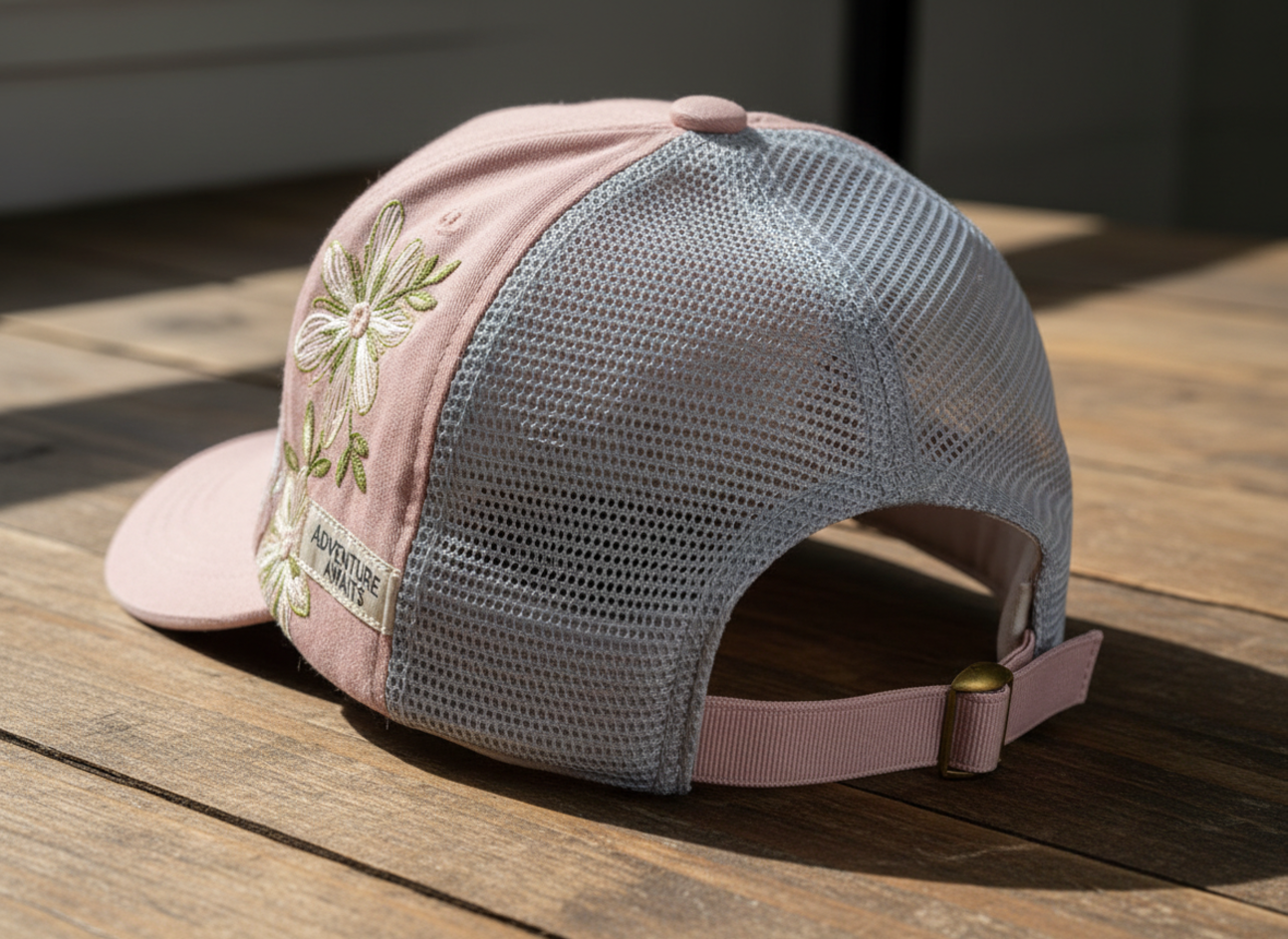
To really understand quality, we have to look at the anatomy of the hat. A trucker hat seems simple, but there are three main parts that must work together perfectly. If one part is wrong, the whole hat feels cheap.
First, consider the front panel. In a classic trucker hat, this is usually foam. I always tell my clients that the foam front serves two purposes. It provides a structured canvas for your logo, but it also helps absorb sweat. If the foam is too thin, it wrinkles easily. If it is too thick, it looks bulky. For women’s hats, a medium-density foam10 is best because it keeps a smooth shape without looking huge on the head.
Second is the mesh back. This is where breathability happens. Cheap factories use stiff, plastic-like mesh. This is a bad idea. It scratches the ears and feels terrible. You need to look for "soft mesh" or premium nylon mesh11. It costs a few cents more, but it makes the hat wearable all day.
Third is the bill or visor. A wide bill is key for sun protection. However, the curve matters. A pre-curved bill12 often fits a woman’s face shape better than a flat bill, which can look too wide. When you inspect a sample, check these three areas first.
| Component | Cheap Standard | Premium Standard (Anthea) |
|---|---|---|
| Front Panel | Thin, wrinkly foam | Smooth, structured, sweat-absorbing foam |
| Mesh | Hard, scratchy plastic | Soft, flexible nylon mesh |
| Bill | Flimsy cardboard core | Sturdy plastic core, symmetrical curve |
How Important Are Construction Standards Like Stitching and Shape?
Have you ever picked up a hat and seen loose threads hanging from the logo? It immediately signals that the product is low quality and not worth a high price.
Stitching quality is the foundation of a durable hat. You must look for tight, straight seams with high stitch density13. The shape of the crown must stand up on its own, even when the hat is not being worn. If the crown collapses, the hat looks old and worn out instantly.
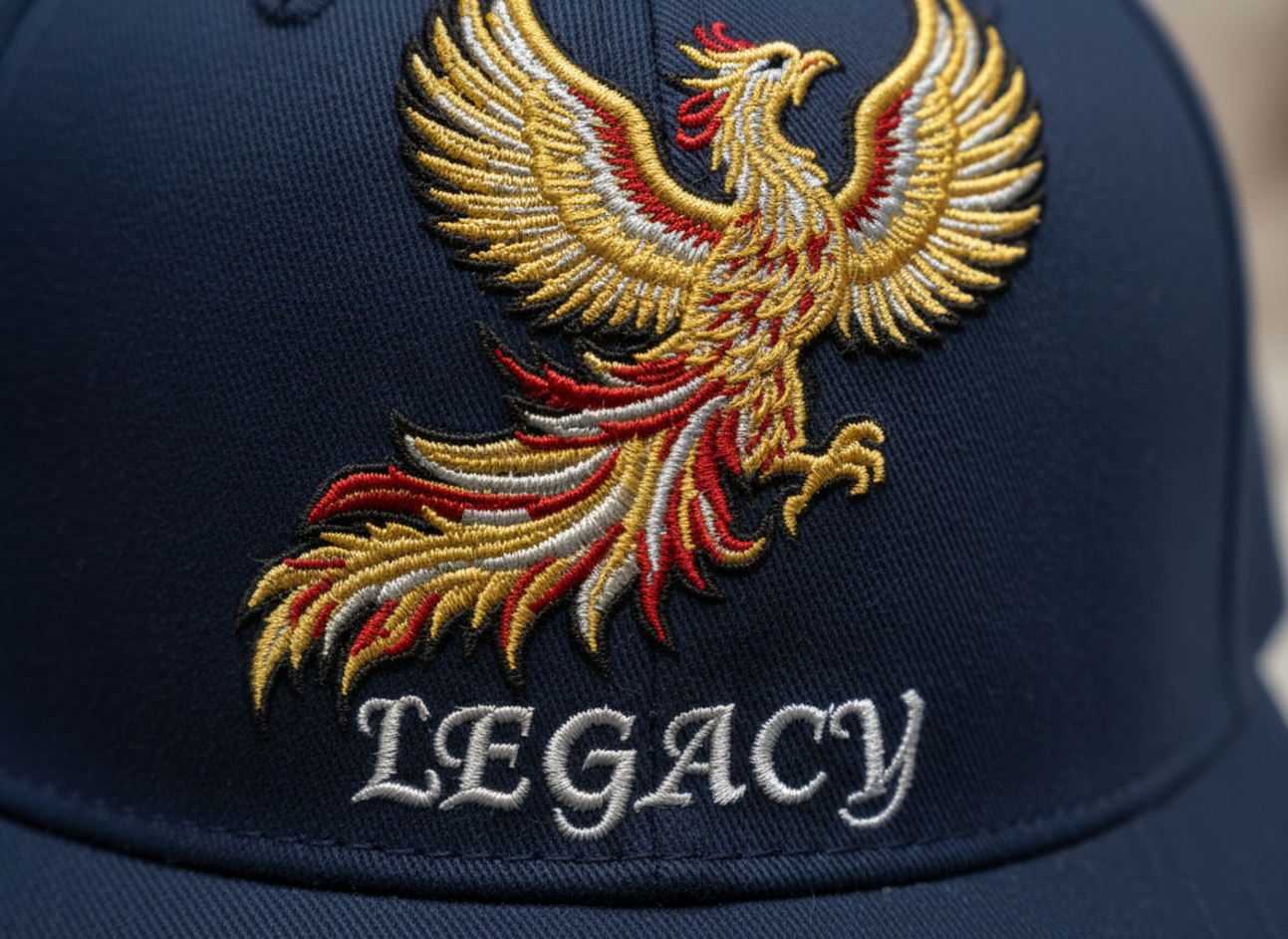
Construction goes beyond just holding the fabric together. It defines the silhouette of the hat. In my factory, we pay very close attention to the symmetry of the panels14. A 5-panel trucker hat has a seamless front, which is great for printing. A 6-panel hat has a center seam, which is better for structure.
When we talk about stitching, we are looking for "stitch density." This means how many stitches are in one inch of the seam. Low-quality hats have long stitches that are far apart. These pull apart easily. High-quality hats have short, tight stitches. This makes the seams strong and the lines straight.
Another critical construction point is the connection between the bill and the crown. This area takes the most stress. If you pull on the bill, the stitching should not gap or show holes. I often see hats where the bill is sewn on crookedly. Even a millimeter off-center is visible to the human eye.
You should also check the "buckram15." This is the stiff mesh fused to the back of the front two panels (if not using foam). It keeps the hat standing up. In foam trucker hats, the foam itself acts as the structure. We must ensure the foam is laminated correctly to the outer fabric so it does not bubble or peel after a few weeks in the sun.
Critical Construction Checklist:
- Symmetry: Is the button on top perfectly centered?
- Seams: Are the interior seams covered with taping?
- Sweatband: Is it sewn in smoothly without bunching up?
- Embroidery: Are the threads tight, or are there loops sticking out?
Why Sizing Consistency Is Crucial in Women’s Trucker Hats?
Returns are a nightmare for small business owners because they eat up your profit margin. The number one reason customers return hats is that they do not fit correctly.
Sizing consistency means that every single hat in your order measures exactly the same. Women’s heads are generally smaller than men’s, so a standard "one size fits all" unisex hat might be too deep or too wide. The adjustable snapback must function smoothly to fix minor size differences.

Let’s break down the numbers. The standard unisex head size in the industry is usually 58cm. However, for a women-specific line, or a "unisex" line that actually fits women well, I often recommend a starting circumference of 56cm or 57cm.
Why does this matter? Because of the depth. The "depth" is the measurement from the button on top down to the ear. If a hat is designed for a large male head, the depth might be 16.5cm or 17cm. On a woman, this hat will come down over her ears. It looks sloppy and feels uncomfortable. A better depth for a women’s fit is around 16cm.
Consistency is hard to achieve in mass production. Fabric stretches. Sewers are human. But a good factory has strict tolerances. We usually allow a variance of only +/- 0.5cm. Anything more than that is a defect.
You also need to think about the adjustable strap. A plastic snapback16 is standard for truckers. But is it a high-quality snap? Cheap plastic snaps crack in cold weather or after repeated use. The holes should line up perfectly.
Here is a simple table to help you plan your sizing specs.
| Measurement Zone | Standard Unisex | Women’s / Smaller Fit | Why it Matters |
|---|---|---|---|
| Circumference | 58cm – 60cm | 56cm – 58cm | Ensures the hat isn’t too loose. |
| Crown Depth | 16.5cm – 17cm | 15.5cm – 16cm | Prevents the hat from hitting the ears. |
| Bill Width | 18cm | 17cm – 17.5cm | Keeps the proportions balanced for a smaller face. |
What Finishing Details Influence Customer Perception?
You might think customers only look at the logo, but they subconsciously judge quality by the small details. These hidden touches can make a $5 hat feel like a $30 hat.
Finishing details include the interior taping17, the brand tags, and the cleanliness of the embroidery backing. The inside of the hat should look as good as the outside. A scratchy label or a messy interior will annoy the customer and damage your brand reputation.
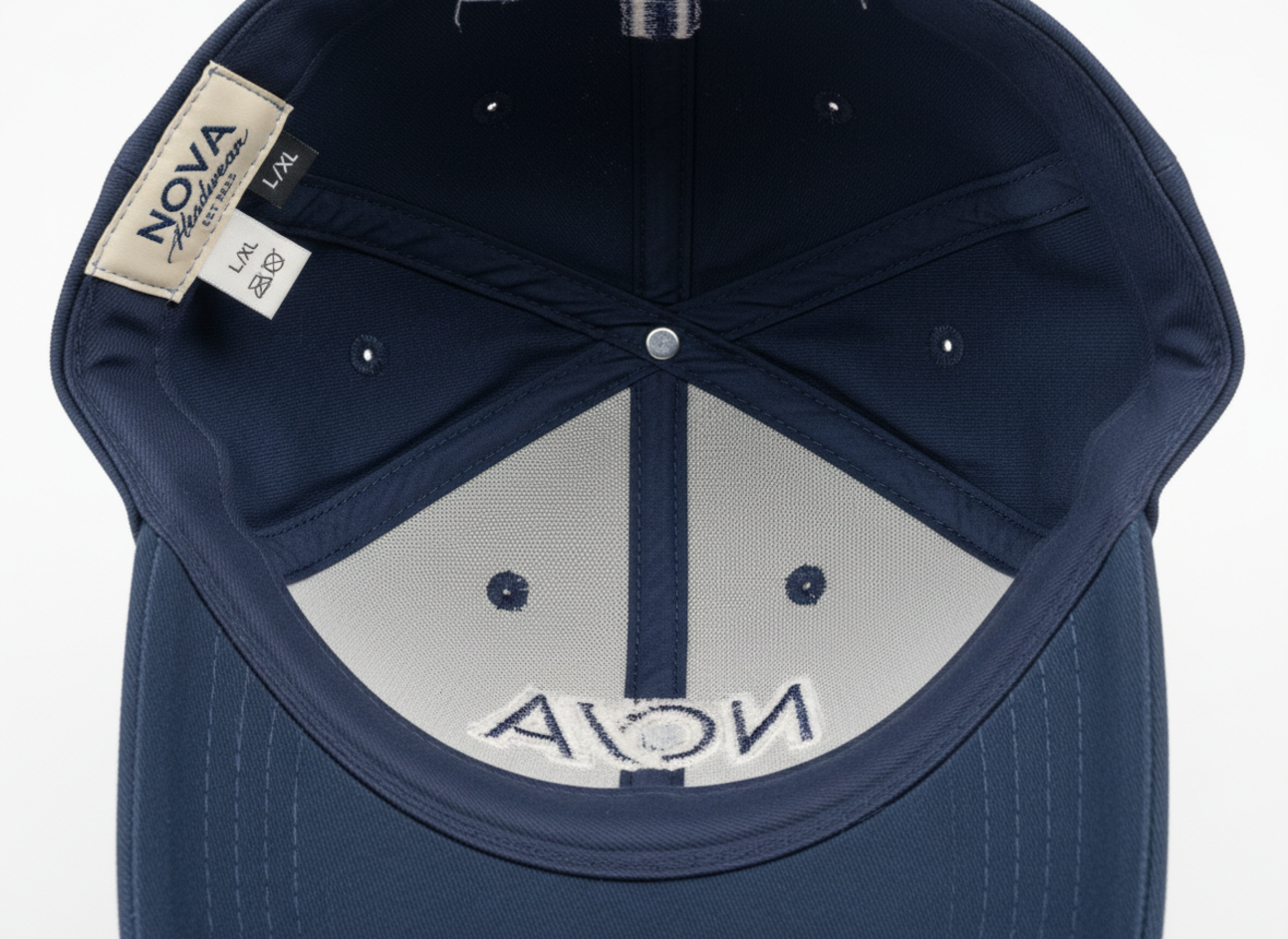
I always tell brand owners: "The sale happens on the outside, but loyalty happens on the inside." When a customer takes off their hat, what do they see?
First, look at the "taping." This is the fabric strip that covers the seams inside the hat. In cheap hats, this is plain white and thin. In custom manufacturing, we can print your brand logo or slogan on this taping. It costs very little but adds huge value. It shows you care about the full experience.
Next, check the sweatband. This is the part that touches the forehead. It should be soft and absorbent. I recommend cotton twill or a moisture-wicking polyester blend18. Avoid cheap polyester that feels like plastic. It gets slippery when wet and is very uncomfortable.
Also, look at the embroidery backing. When we embroider a logo, there is usually a piece of paper or stabilizer on the inside. If this is not trimmed properly, it scratches the forehead. A quality audit involves running your hand inside the front panel. It must be smooth.
Finally, check the "sandwich" brim. This is a subtle detail where a layer of contrasting color is placed in the middle of the bill’s edge. It is not mandatory, but it adds a premium look.
Top 3 Finishing "Deal Breakers":
- Off-center labels: If your woven label is crooked, the whole hat looks like a reject.
- Glue marks: Sometimes glue is used near the bill. Visible glue is unacceptable.
- Loose thread ends: Every loose thread should be trimmed by hand before packing.
Which Materials and Fabrics Deliver Performance and Style?
If a runner buys your hat and their head overheats, they will never wear it again. The material you choose dictates the function of the hat.
Breathability is essential for active headwear. Polyester, mesh, or perforated fabrics are the best choices because they allow heat to escape while maintaining sun protection. For a fashion-focused hat, you might choose cotton or corduroy, but these do not perform well for sports.
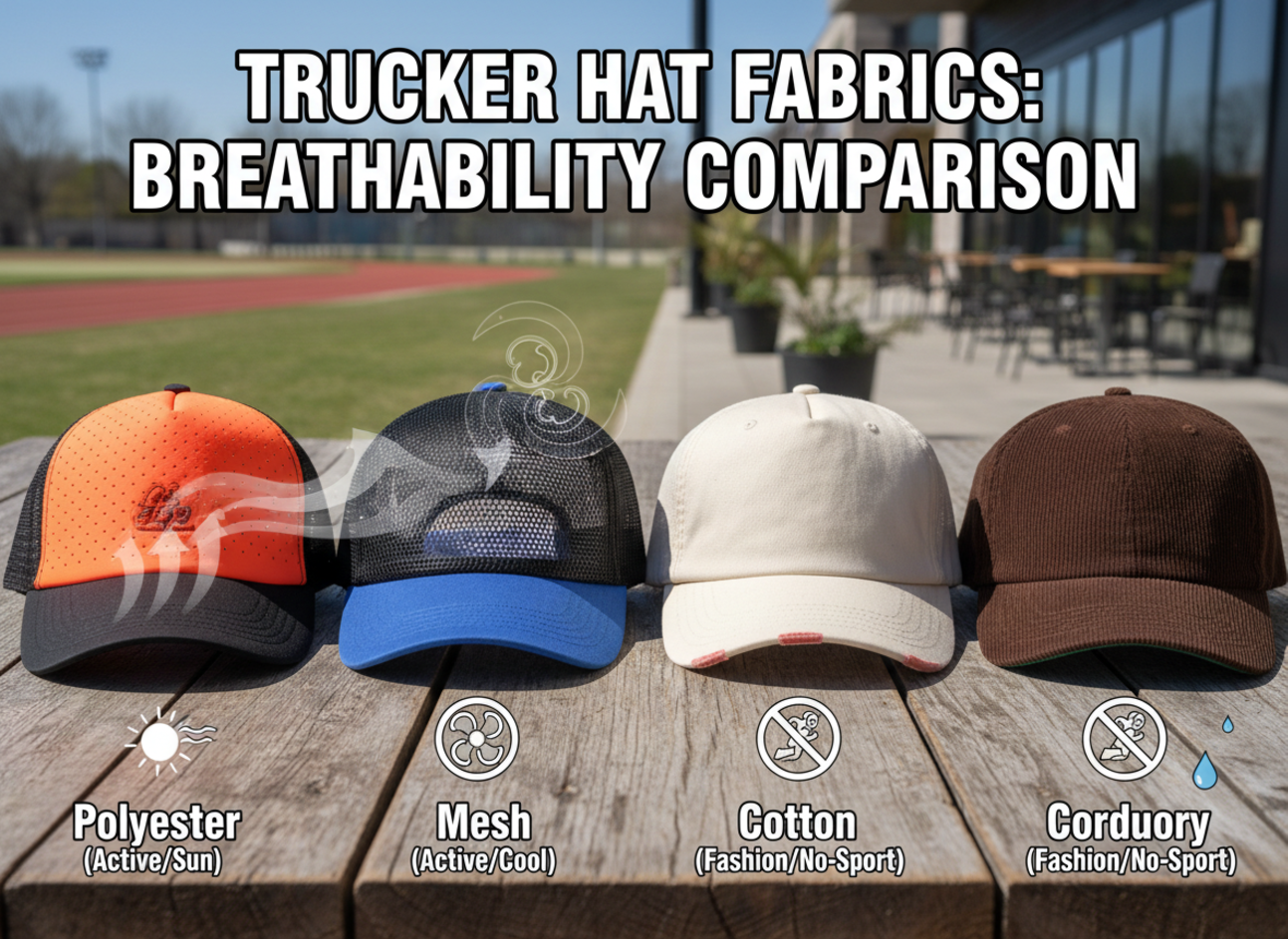
Choosing the right fabric is about understanding your end customer. If you are selling to runners or hikers, you cannot just use standard cotton. Cotton absorbs moisture and holds it. This means the hat gets heavy, wet, and cold.
For performance hats, I always recommend lightweight polyester or nylon blends. As I mentioned in the introduction, breathability is essential. We often use "laser-cut" holes on the side panels of performance hats. This looks modern and increases airflow significantly.
However, the classic trucker hat relies on the foam front. The foam itself is polyester. It is lightweight and holds color well. But the mesh back is the real hero for ventilation.
If you are aiming for a "lifestyle" or "streetwear" look, you have more freedom. You can use cotton twill, which is durable and natural. You can use corduroy for a vintage vibe. You can even use suede for a luxury feel. But remember, these materials are warmer.
Here is a breakdown of common materials and their best use cases:
| Material | Best For | Pros | Cons |
|---|---|---|---|
| Polyester Foam | Classic Truckers | Lightweight, holds shape, vibrant print | Can feel cheap if low quality |
| Nylon Mesh | Trucker Backs | Maximum airflow, durable | No sun protection on the back |
| Performance Poly | Running Hats | Wicks sweat, dries fast, light | Can look too "sporty" for fashion |
| Cotton Twill | Lifestyle Hats | Natural feel, matte look | Fades over time, absorbs sweat |
| Corduroy | Winter/Fashion | Unique texture, warm | Too hot for summer |
How Can Brands Audit and Maintain Manufacturing Standards?
You cannot just send a design file and hope for the best. Hope is not a business strategy. You need a process to verify quality before the hats leave the factory.
Brands must audit standards by requesting pre-production samples and checking them against a strict list of requirements. You should also ask for photos of the bulk production before shipping. Establishing a clear standard with your supplier prevents misunderstandings and bad products.
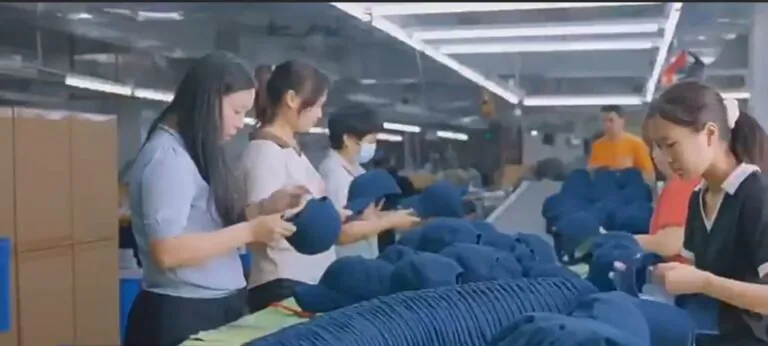
I work with many creators like Ben, who are just starting out. They often feel shy about being demanding. But as a manufacturer, I prefer a client who knows what they want. It makes my job easier.
To maintain standards, you need to follow a "Golden Sample" rule. Before we start making 500 hats, we make one. You check this sample. You check the stitching, the size, the logo placement, and the material feel. Once you approve it, that hat becomes the "Golden Sample." All other hats must match this one.
During mass production, you should ask for updates. I always send my clients photos of the embroidery on the machine and the hats being assembled. This creates transparency. If something looks wrong in the photo, we can fix it right then. It is much harder to fix it after the hats arrive in the USA.
You should also define your "AQL" (Acceptable Quality Limit). For example, you might say, "I will accept 0% critical defects (like wrong logo) and 2% minor defects (like a tiny loose thread)."
Your Simple Audit Checklist:
- Visual Check: Are colors correct? Is the logo straight?
- Measurement Check: Measure 5 random hats. Are they within the +/- 0.5cm tolerance?
- Stress Test: Pull on the bill. Pull on the snapback. Does it hold?
- Fit Test: Put it on a head. Does it sit level?
Conclusion
To create a successful women’s trucker hat, you must focus on consistent sizing1, breathable materials like soft mesh, and clean finishing details. By strictly auditing your samples and production, you ensure your brand delivers quality that builds customer loyalty.
-
Learn proven measurement methods and tolerances that keep every unit fitting the same and protect your reviews. ↩ ↩
-
Compare fabrics by airflow and comfort so your hats perform in heat and during workouts. ↩
-
Understand stitch markers of durability to avoid loose threads and premature seam failure. ↩
-
See how foam density and finish affect structure, sweat absorption, and premium look. ↩
-
Find mesh options that won’t scratch skin and stay wearable all day. ↩
-
Get guidance on bill cores and construction that hold shape and improve sun protection. ↩
-
Match profile height to customer preferences to prevent awkward fit and bad silhouette. ↩
-
Use sizing ranges that better match women’s head sizes and reduce exchanges. ↩
-
Learn how to test softness and irritation risk so customers enjoy wearing it longer. ↩
-
Understand the sweet spot between wrinkling and bulk for a smooth, structured front. ↩
-
See why nylon mesh often outperforms cheap mesh for comfort, durability, and airflow. ↩
-
Find fit and style guidance to choose brim shapes that look proportional and feel right. ↩
-
Get concrete stitch-density benchmarks that correlate with stronger seams and cleaner lines. ↩
-
Learn inspection steps that prevent crooked panels and visibly “cheap” finished products. ↩
-
Understand how buckram supports crown shape and what to check to avoid collapse. ↩
-
Avoid snap breakage complaints by using established durability tests and material specs. ↩
-
Improve comfort and perceived quality by learning what good taping looks and feels like. ↩
-
Choose sweatband materials that stay comfortable, absorb sweat, and don’t feel slippery. ↩