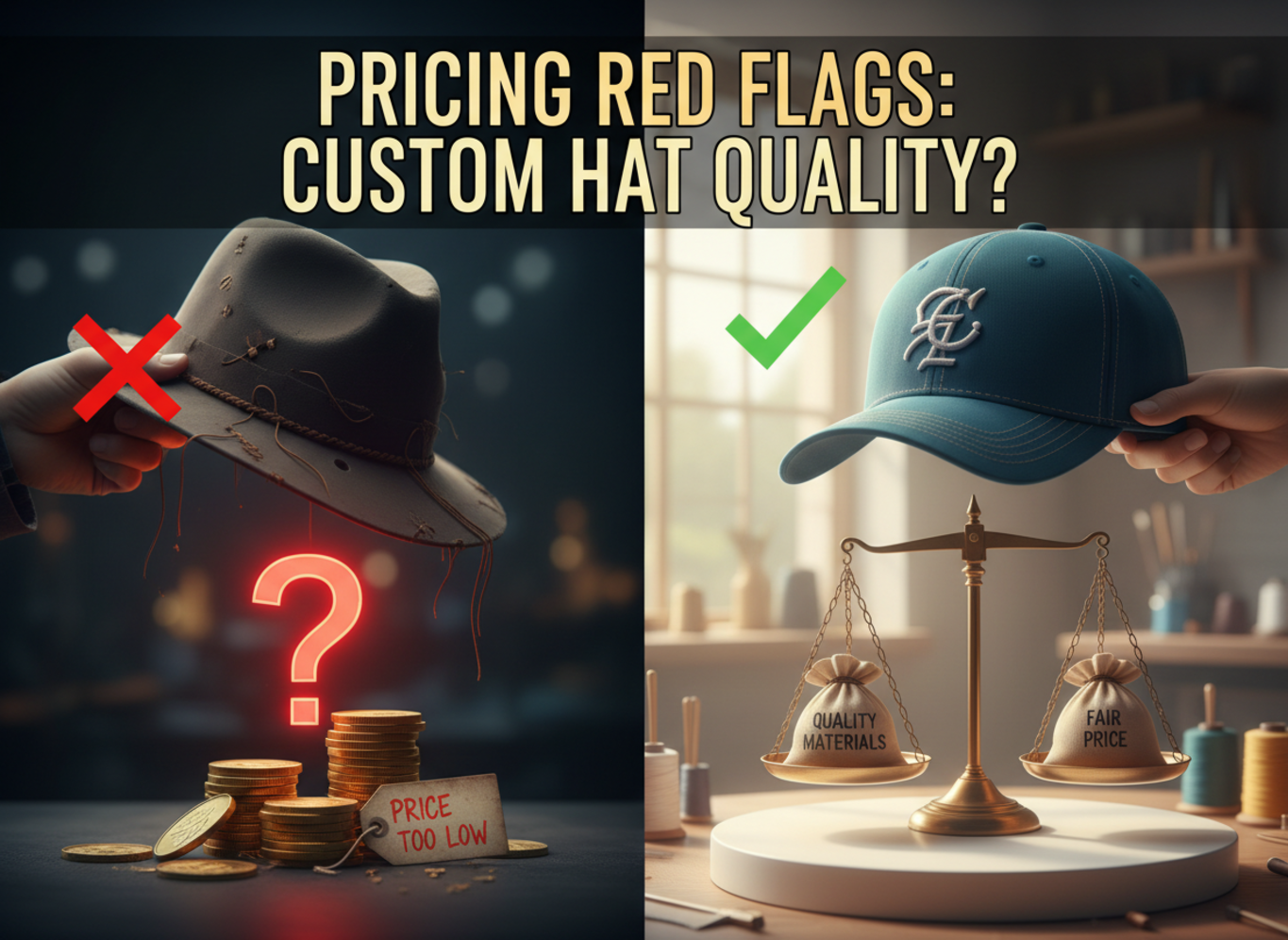
You see a quote for custom hats that looks incredibly cheap. It feels like a great deal for your budget. But deep down, you worry if the quality will actually destroy your brand’s reputation.
Pricing red flags include quotes significantly below market average ($2-$3 per unit for small runs)1, vague breakdowns of material costs2, and refusal to send physical samples3. Extremely low prices often signal poor fabric quality4, weak stitching5, and unreliable delivery times6, which ultimately damage your brand identity7.
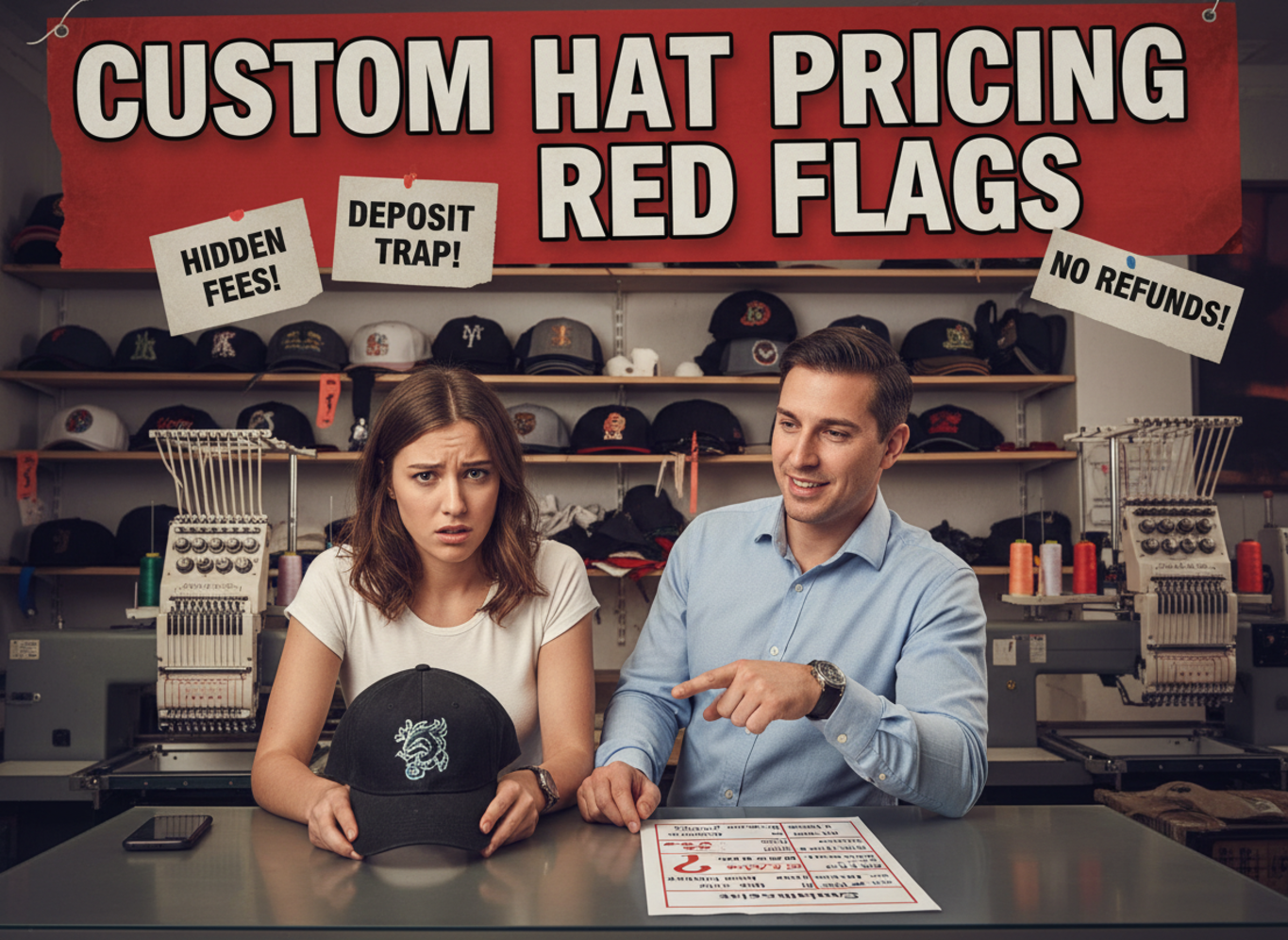
I have seen many new brand owners fall into the trap of choosing the cheapest option. Let’s look at the specific warning signs so you can avoid these costly mistakes.
What price range is too low for custom hats?
Startups often have tight budgets and look for savings. However, picking the bottom price usually leads to unsellable products.
For custom orders under 500 pieces8, a price below $4.00 per hat9 is usually a major red flag. Quality materials, labor, and mold fees10 cost money. If a quote is drastically lower than reputable suppliers, the factory is likely cutting corners on fabric or construction.
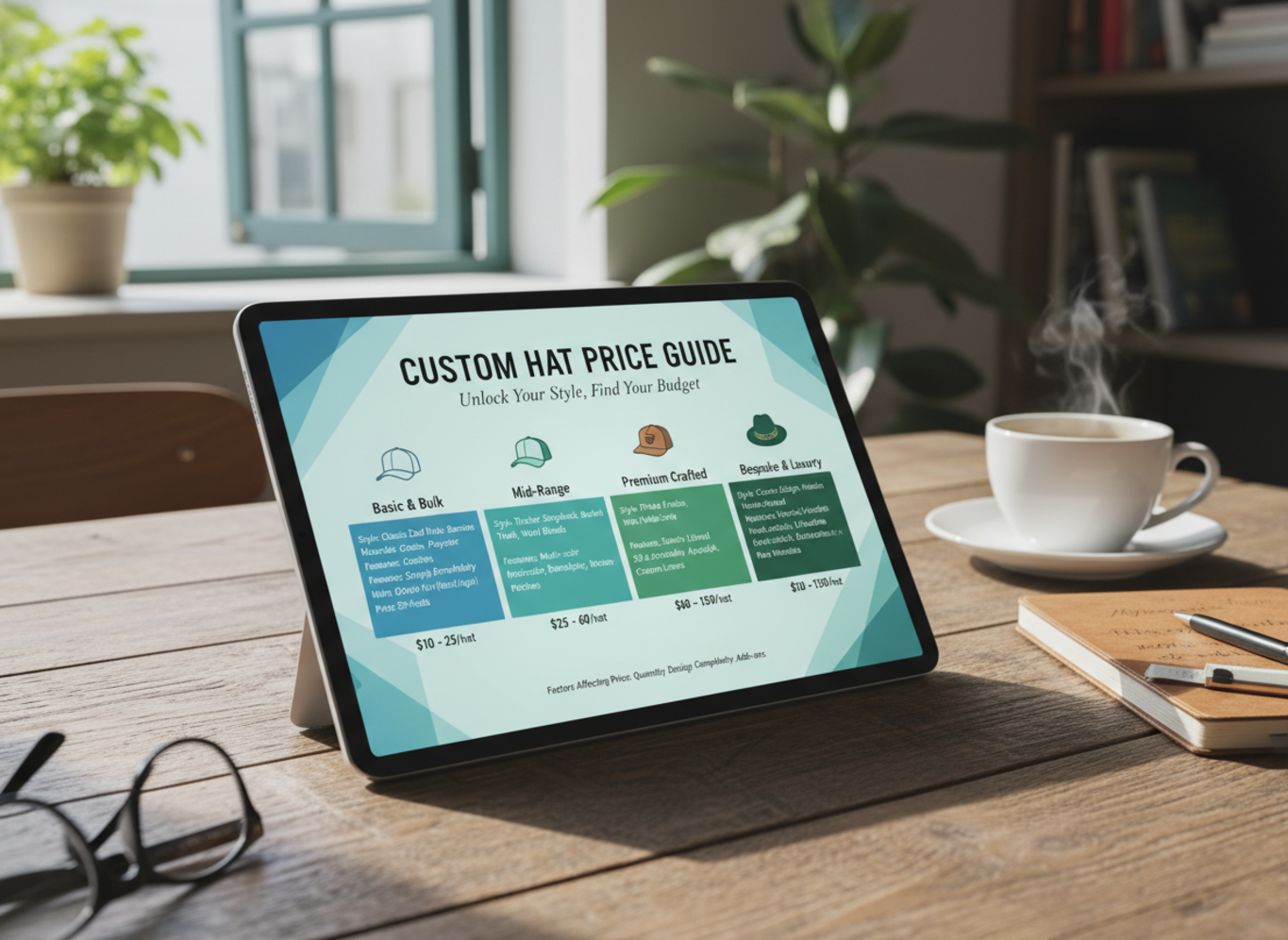
When we look at the cost of making a hat, we need to use critical thinking. A hat is not just a piece of cloth. It involves many fixed costs. If a supplier offers you a price that is too good to be true, you must ask yourself how they are making a profit.
Here at Anthea, we know the real cost of materials in China. If a supplier quotes you $2.50 for a fully custom hat with 3D embroidery11 for an order of 100 pieces, the math does not work. The machine setup fee12 alone costs money. The fabric costs money. The worker needs a fair wage.
To give you a better idea, here is a breakdown of what usually goes into a price. If the price is too low, one of these things is missing or is very bad quality.
| Cost Component | What Happens with Low Pricing | What Happens with Quality Pricing |
|---|---|---|
| Fabric | Uses leftover scraps or thin, rough material. | Uses fresh, durable cotton or poly-blend rolls. |
| Embroidery | Low stitch count, looks thin and gaps show. | High stitch density, 3D effect stands up tall. |
| Labor | Unskilled temporary workers, crooked seams. | Experienced tailors, straight and strong seams. |
| QC Check | No check, they ship bad hats to you. | We check every single hat before packing. |
If you see a price that is much lower than the average market rate, the factory is likely removing the "Quality Pricing" elements. They are selling you a product that will feel cheap in your customer’s hands.
How can low pricing indicate manufacturing shortcuts?
You might think a cheap hat just feels a bit lighter. But manufacturing shortcuts affect the shape, fit, and durability significantly.
Low pricing often forces factories to skip vital steps like fabric pre-shrinking13, double-stitching reinforcement14, or proper quality control checks15. These shortcuts result in hats that lose their shape after one wear, have crooked bills, or feature loose threads that make your brand look unprofessional.
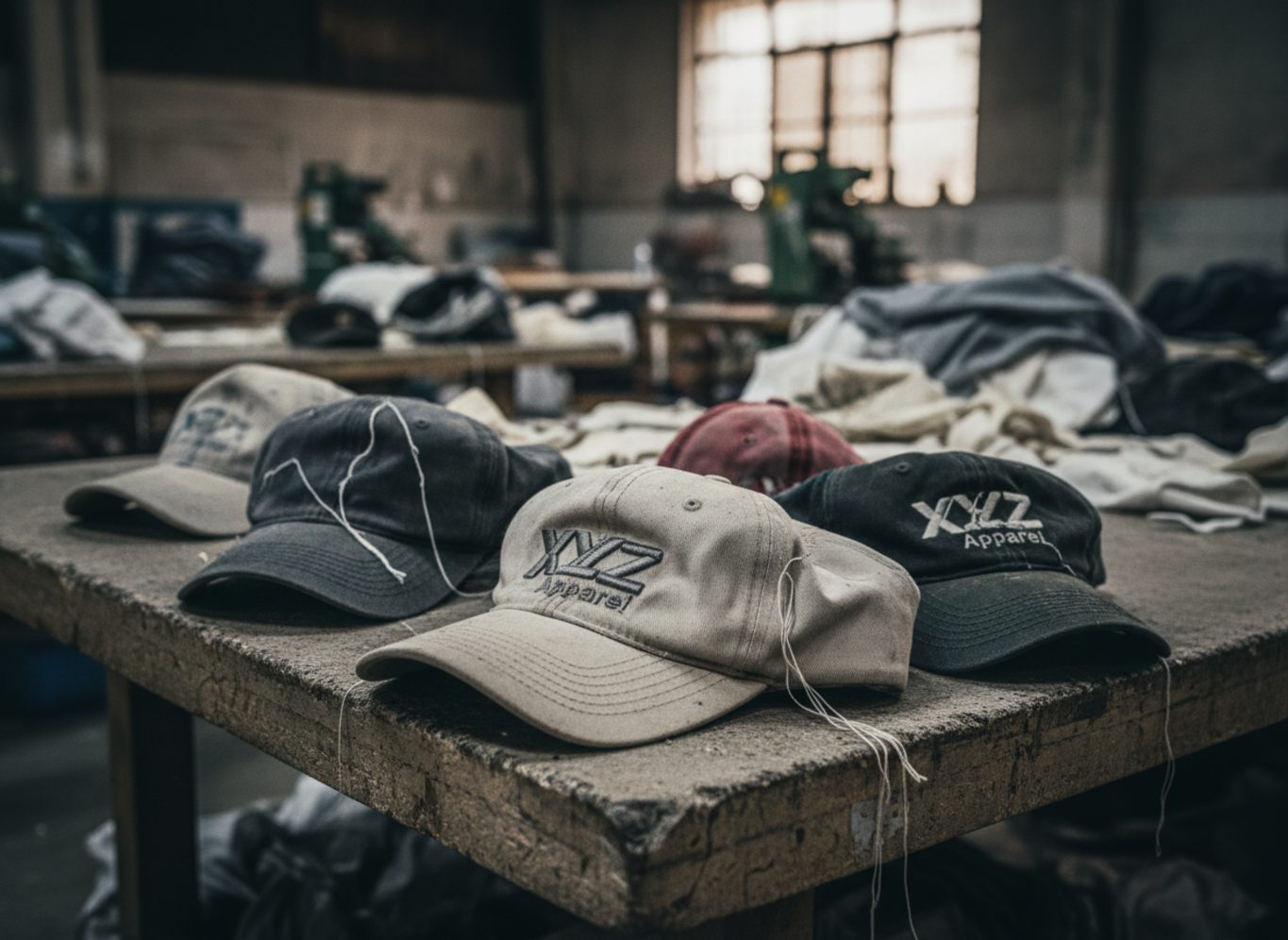
When a factory drops the price too low, they have to speed up production to make money. Speed is the enemy of quality in custom headwear. I have seen many examples of this in the industry.
One major shortcut is the "pre-shrinking" process. Good fabric needs to be treated so it does not shrink when the customer sweats or washes it. Cheap manufacturers skip this. Your customer buys a hat, wears it once, and then it becomes too tight. This hurts your brand reviews.
Another common issue is the brim or visor. Inside the visor, there is a plastic insert16. In high-quality hats, we use strong, flexible plastic that holds its curve. In very cheap hats, some factories use cardboard or very brittle plastic. If the hat gets wet, the cardboard ruins the shape forever.
Also, look at the inside of the hat. This is where the "guts" of the manufacturing process show.
- Taping: Is the tape inside printed with your logo, or is it plain and falling off?
- Sweatband: Is it soft cotton that absorbs sweat? Or is it scratchy polyester that irritates the forehead?
- Buckram: This is the mesh behind the front panel. Cheap buckram17 collapses, making the hat look wrinkled.
These are the hidden costs. A low price means the factory is buying the cheapest version of these hidden parts. You might not see it in a photo, but your customer will feel it.
What are the signs of cheap hat manufacturers?
Dealing with a bad supplier is stressful and drains your energy. You need to spot these unreliable partners before you send them money.
Signs of cheap, unreliable manufacturers include poor English communication, generic stock photos instead of real factory images, and a lack of detailed questions about your design. They often push for full payment upfront and hesitate when you ask for a pre-production sample18.
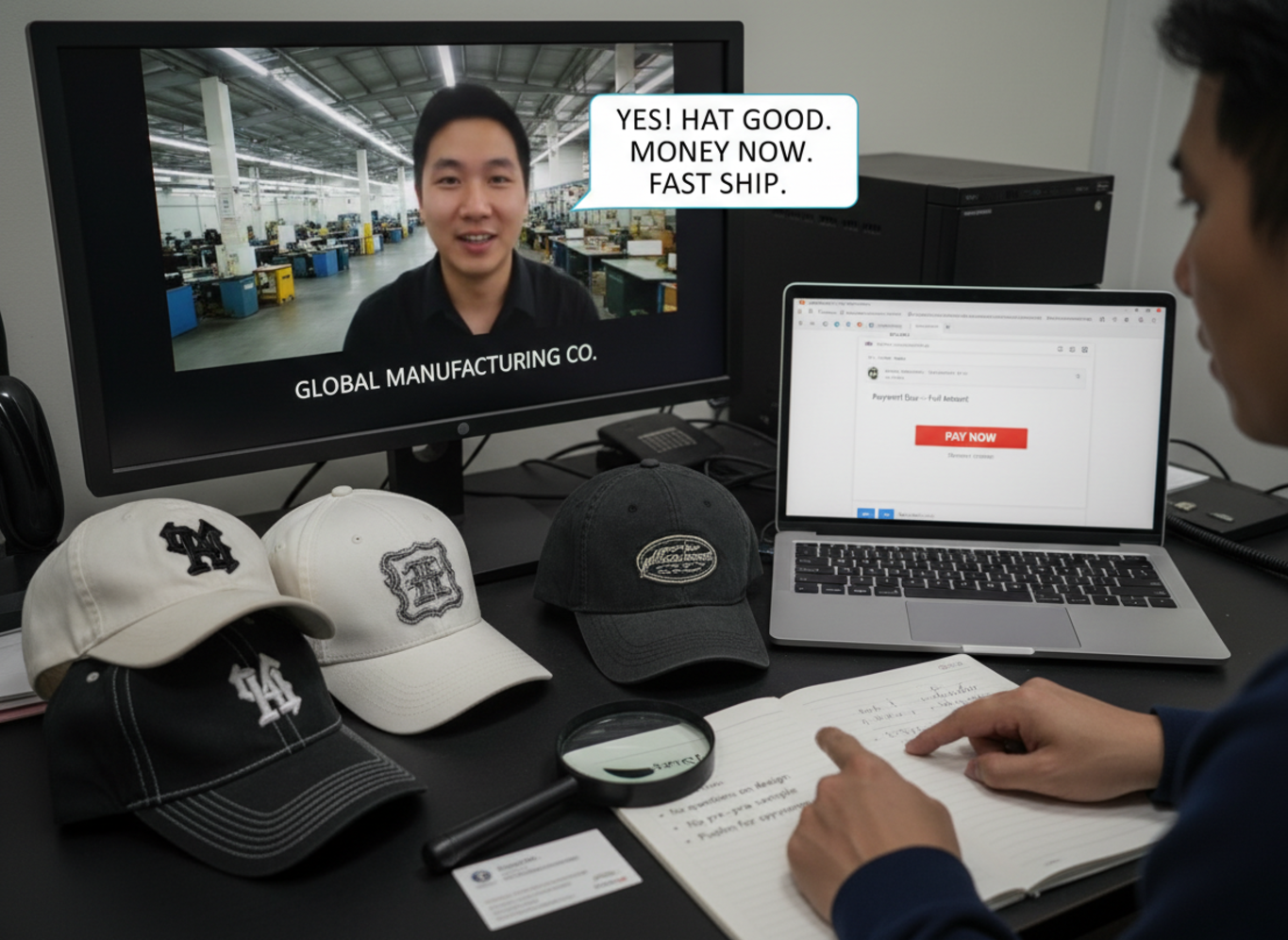
You can often tell if a supplier is low-quality just by talking to them. During my time running Anthea, I have learned that professionalism is part of the price. If a supplier is offering dirt-cheap prices, they usually do not invest in a good sales team or customer service.
Here are specific behaviors to watch out for:
- The "Yes" Trap: If you ask "Can you do this complex design for $3?" and they immediately say "Yes" without asking for details, be careful. A real manufacturer will check the file first. They will ask about the size of the logo and the colors. If they say yes too fast, they just want your money and will figure out the problems later.
- Generic Photos: Look at their catalog. Do the photos look like they were stolen from Google? Or do they look like real photos taken in a factory? A cheap trader will not have their own product photos.
- Pressure to Pay: If they demand 100% payment before they even make a sample, this is a huge risk. Standard practice is to pay a sample fee, approve the sample, and then pay a deposit for the bulk order.
- No Suggestions: A good partner helps you. If your design is too small for embroidery, I will tell you. I will suggest a woven patch instead. A cheap supplier will just sew it, let it look terrible, and ship it to you.
Low-cost hat production risks are high. You are not just buying a product; you are buying a service. If the communication is bad, the product will likely be wrong.
How do you assess price vs quality for headwear?
Balancing your profit margin with product quality is a difficult challenge. You do not want to overpay, but you cannot sell junk.
To assess price versus quality, request a physical sample before placing a bulk order. Compare the stitching density, fabric weight, and logo embroidery precision against the quoted price. A fair price reflects durable materials and clean craftsmanship, not just the lowest number on the invoice.
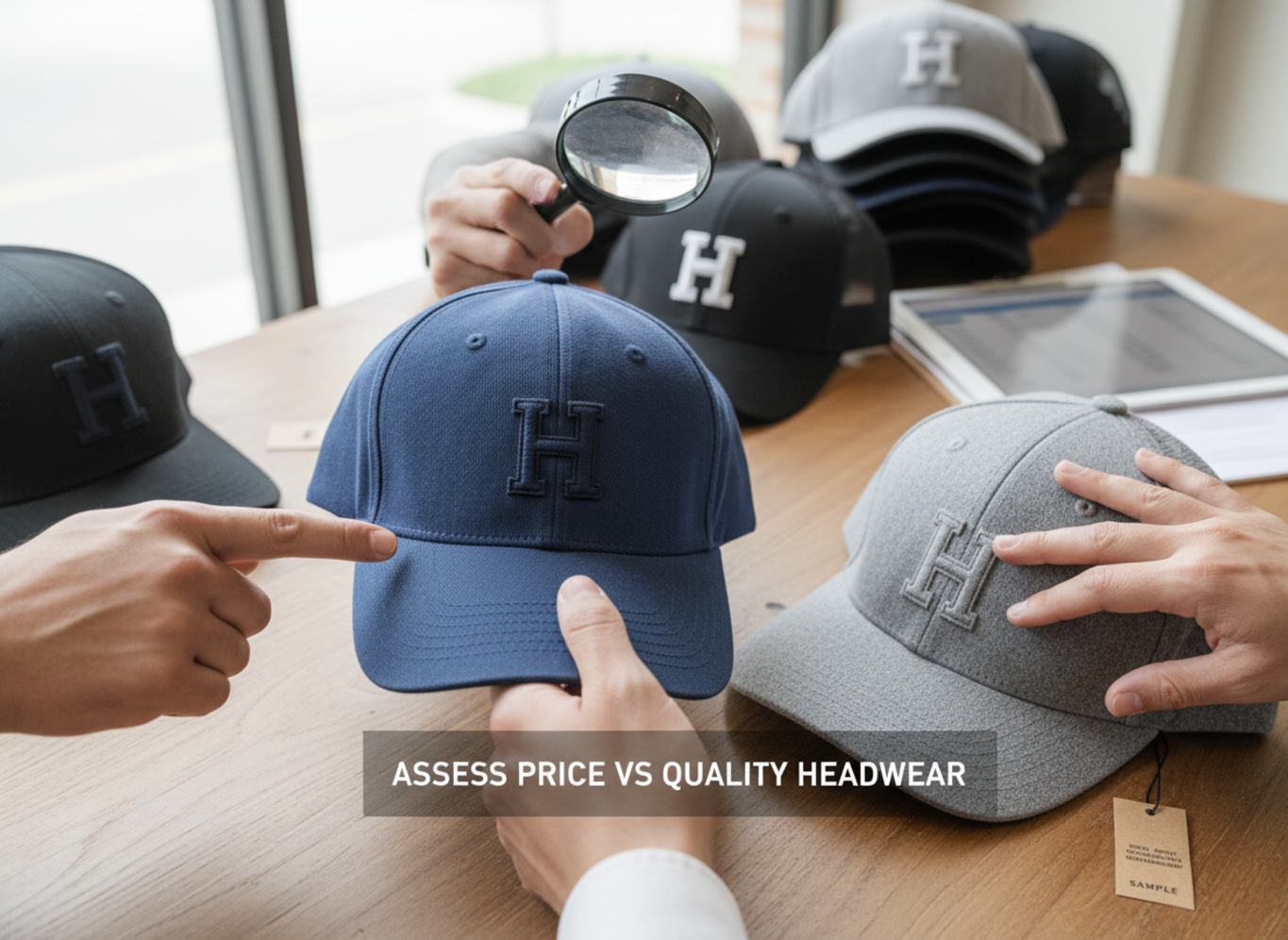
You need a system to judge if the price is fair. We call this the "Value Assessment." It is not about finding the cheapest hat. It is about finding the best hat for your specific market.
First, you must calculate the "Cost Per Wear19" for your customer. If you buy a hat for $4 and sell it for $25, but the customer wears it every day for a year, they are happy. If you buy a hat for $2 and sell it for $20, but it breaks in a week, the customer is angry. The angry customer will never buy from you again. The expensive hat is actually cheaper in the long run because it builds a loyal customer base.
Use this checklist when you receive a sample to judge the quality:
- The Squeeze Test: Squeeze the front of the hat. Does it bounce back to its shape? Or does it stay crushed? Good structure costs more.
- The Thread Test: Look closely at the logo. Are there loose threads connecting the letters? This means the machine did not trim them automatically. This is a sign of cheap machinery.
- The Weight Test: Does the fabric feel substantial? Heavy brushed cotton feels expensive. Thin cotton feels like a promotional giveaway.
- The Smell Test: This sounds funny, but cheap dyes and glues smell like strong chemicals. A quality hat should not have a strong chemical odor.
When you evaluate hat supplier pricing, remember that you get what you pay for. A slightly higher cost usually buys you better materials and better sleep at night.
Are very low-cost hats reliable?
You might hope to get lucky with a cheap supplier for a one-time event. But reliance on low-cost goods creates high risk.
Very low-cost hats are rarely reliable for serious brands because consistency requires strict quality control systems that cost money to maintain. While they might work for a disposable promotional event, they are not suitable for streetwear brands or creators who need to build long-term trust with their audience.
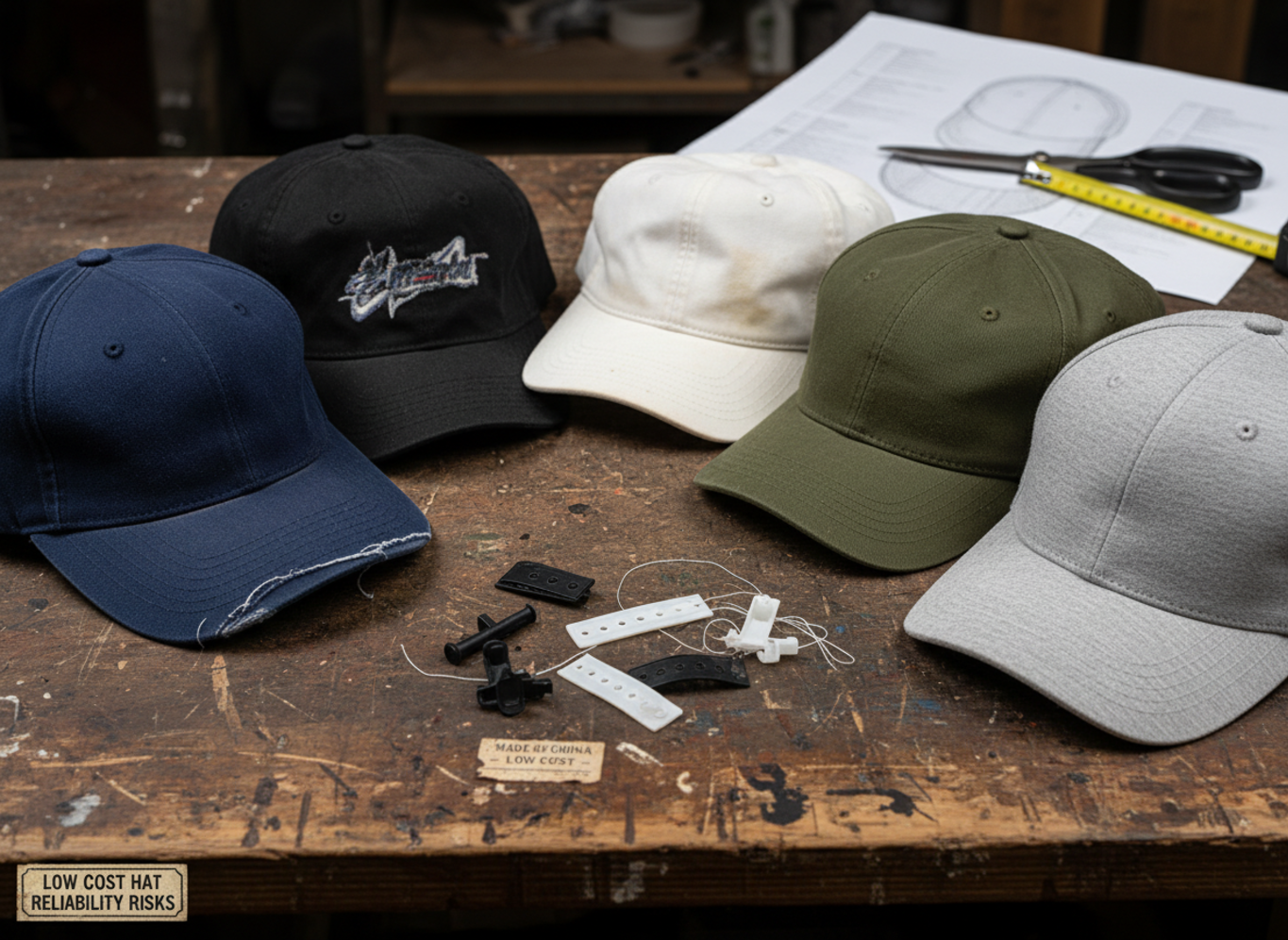
Reliability is the most important thing for a growing business. Imagine you order 200 hats. The first order is okay. You sell them all. You are happy. Then you order 500 more. This time, the factory uses a different, cheaper fabric because the price of cotton went up, but they did not tell you. Now you have 500 hats that do not match the first batch.
This happens all the time with "too cheap" suppliers. They work on very small margins. If their costs go up by one cent, they must cut quality to survive. They cannot guarantee consistency.
At Anthea, we focus on B2B service for brands. We know that if we send you bad hats, your business stops. If your business stops, our business stops.
Here is the reality of reliability:
- Time Reliability: Cheap factories often delay orders because they prioritize big, easy orders over your custom design. Can you afford to miss your launch date?
- Color Reliability: Professional factories use Pantone color matching20. Cheap factories just "guess" the color.
- Shipping Reliability: Cheap suppliers use slow, unsafe shipping methods to save money. Your boxes might arrive crushed or wet.
If you are building a brand, you cannot gamble on reliability. The few dollars you save on the unit price will be lost when you have to refund angry customers. It is better to pay a fair price for a consistent product.
Conclusion
Do not let a low price fool you into destroying your brand; always ask for samples, check the details, and choose a partner who values quality over shortcuts.
-
Helps you benchmark realistic pricing so you don’t commit to suppliers that cut quality and hurt your brand. ↩
-
Shows what transparency looks like so you can spot hidden substitutions and surprise cost/quality issues. ↩
-
Explains sampling norms so you can avoid factories that won’t prove quality before taking your money. ↩
-
Gives practical fabric checks/specs to prevent cheap-feeling products that disappoint customers. ↩
-
Learn the construction cues that predict durability, returns, and long-term brand perception. ↩
-
Helps protect launches by understanding lead-time planning and common supplier delay tactics. ↩
-
Connects quality decisions to customer trust and repeat purchases—beyond just unit cost. ↩
-
Clarifies small-run realities (setup fees, MOQs) so you choose partners suited to your scale. ↩
-
Provides a sanity check on “too low” quotes so you can avoid expensive mistakes later. ↩
-
Explains a common fixed cost that affects pricing—useful for comparing quotes accurately. ↩
-
Helps you understand setup, stitch density, and pricing drivers so your logo looks premium. ↩
-
Shows why ultra-low quotes don’t add up and how setup fees should appear in quotes. ↩
-
Prevents shrinkage complaints by learning the process and how to confirm it with suppliers. ↩
-
Teaches key reinforcement zones so you can inspect samples like a pro and avoid blowouts. ↩
-
Gives you a QC checklist to reduce defects, rework, and customer refunds. ↩
-
Helps you avoid brims that warp or fail—especially in sweat, rain, or washing. ↩
-
Explains a hidden material that determines whether hats look crisp or collapse and wrinkle. ↩
-
Shows how PPS approval prevents costly bulk defects and misunderstandings on specs. ↩
-
Reframes “cheap vs expensive” into customer value, guiding smarter sourcing and pricing. ↩
-
Helps ensure color consistency across batches so your brand colors don’t drift over time. ↩