Skipping key questions leads to serious problems—missed deadlines, inconsistent quality, and supplier silence when things go wrong.
You should ask about production timelines1, quality control2, customization limits3, payment terms4, and dispute resolution5. These questions reveal real capabilities and prevent costly surprises.
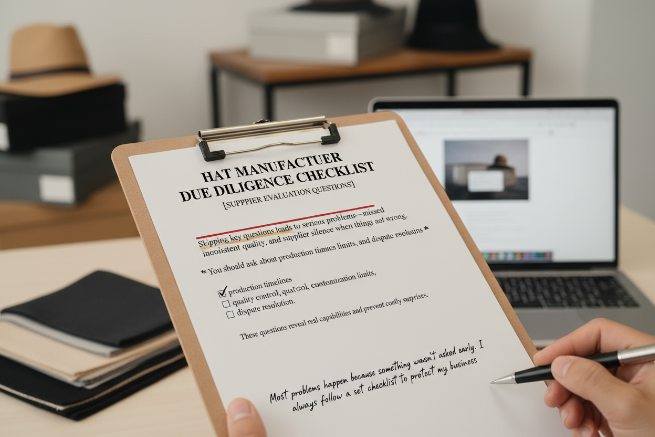
Most problems happen because something wasn’t asked early. I always follow a set checklist to protect my business.
What Should You Know About a Manufacturer’s Production Capabilities?
Not every supplier can make what you need, when you need it. You have to check this upfront.
Ask how many pieces they can make each week, how long sampling takes, and how they handle rush orders6. Capacity and speed matter.
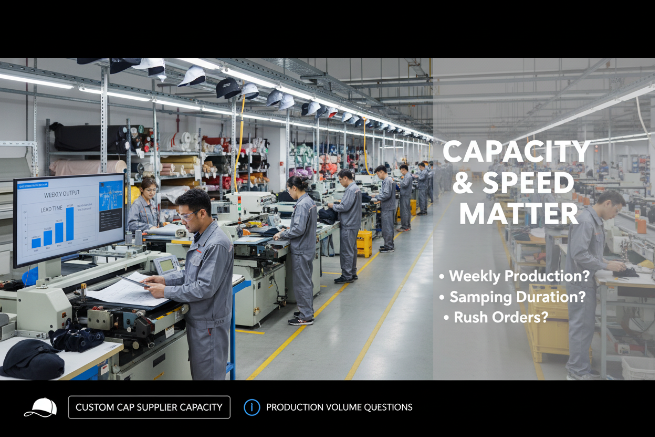
How I Vet a Manufacturer’s Capacity
The first thing I ask a new supplier is how many pieces they can produce per week. I want to know if they can keep up with my growth. If a factory can only handle 1,000 units a month, I may outgrow them in one drop.
I also ask about their sampling time7. If it takes more than 10–14 days to get a sample, that usually means production will be slow too. A fast sample often shows an efficient factory.
Then I ask about their peak season. Can they still deliver during busy times like Q4 or Chinese New Year? Some factories overpromise during sales calls but fall behind when it matters most.
Here’s a simple checklist I use:
| Question | Why It Matters |
|---|---|
| What is your monthly capacity? | Shows if they can scale with me |
| How long does sampling take? | Reveals their internal speed |
| Do you handle multiple styles at once? | Important if I offer multiple designs |
| How do you handle rush orders6? | Tells me how flexible they are |
| What’s your busiest season? | Helps me plan production timing |
If a factory can’t answer these questions clearly, I don’t move forward.
How Can You Check a Supplier’s Quality Assurance Process?
Quality issues kill trust fast. You need to know how your supplier catches mistakes before the hats reach you.
Ask about their quality checks, inspection steps, defect policies8, and whether they use third-party audits9. You need proof, not promises.
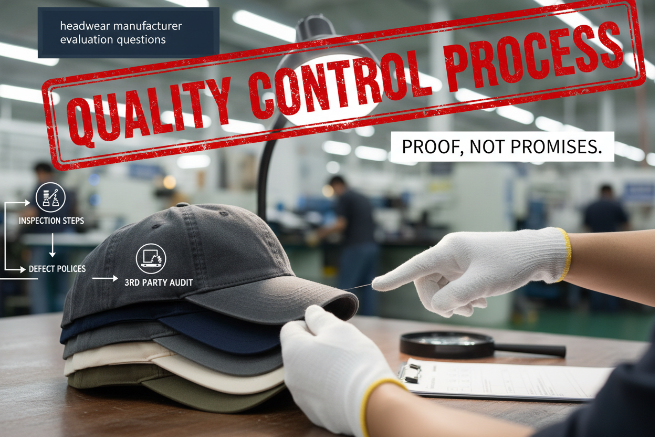
Questions That Reveal Real Quality Control
When I receive a sample, I check every stitch, curve, and logo placement. But I can’t inspect 500 hats myself. That’s why I ask how the factory checks quality at scale.
Some suppliers do a quick look at the end. Others follow real procedures—checking fabric before sewing, measuring every batch, and pulling random pieces for inspection.
Here’s what I always ask:
| Question | What to Look For |
|---|---|
| What’s your in-house quality control2 process? | Step-by-step checks before packing |
| How do you handle defect rates? | 1–2% is normal. Higher means risk. |
| Can I see photos or reports from past batches? | A good factory will share QC samples |
| Do you use outside inspectors? | Adds trust if they bring third-party audits9 |
| What happens if the product arrives damaged? | Must offer a refund, fix, or replacement |
I’ve learned to ask for photos during production—not just at the end. That way, I can catch problems early, not after the hats arrive.
What Questions Help You Understand Communication and Responsiveness?
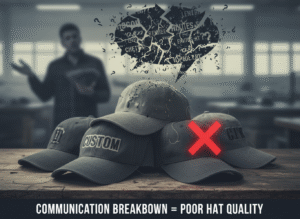
Bad communication10 causes most problems. The best factory in the world won’t help if you can’t reach them.
Ask how fast they reply, who your contact is, what channels they use, and how they report production progress11.
[^10]-causes-most-pro.png "custom hat supplier due diligence checklist")
How I Judge Communication Before Production Starts
I send a test email before any order. I ask a question that needs a real answer, not just “yes.” Then I watch how they reply—how fast, how detailed, and how polite.
A good factory will respond within 24 hours and explain things clearly. A bad one takes days or gives vague replies.
I also ask who my main contact will be. I want one person, not five. If my contact changes every week, things will get messy fast.
I always check:
| Question | Why I Ask |
|---|---|
| Who will be my day-to-day contact? | Consistency helps avoid confusion |
| How fast do you usually respond? | Speed tells me how much they care |
| What’s your preferred channel? | Email, WhatsApp, WeChat — I adjust |
| How often do you give updates? | I want weekly updates during production |
| Can we do video calls if needed? | Shows they’re open and transparent |
The right supplier feels like a partner, not just a vendor.
What Should You Confirm Before Signing a Manufacturing Agreement?
Even good suppliers can lead to disputes if the contract isn’t clear. Never skip legal basics.
Ask to confirm payment terms4, intellectual property protection12, ownership of molds or samples, and what happens if deadlines are missed.
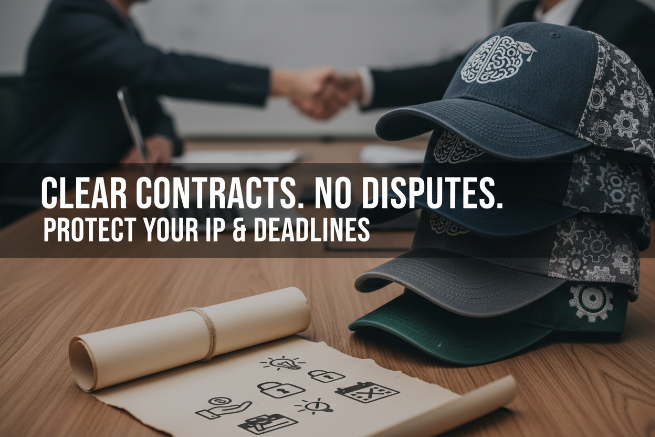
What I Always Ask Before I Sign
A lot can go wrong if the contract doesn’t protect you. I’ve had issues before where a supplier reused my designs or refused to refund bad goods. Now I ask these five things before signing anything.
-
Who owns the design and samples?
Some factories think they can reuse your product if you don’t clarify. I always include a line that says I own all designs and samples. -
What are the payment terms4?
I prefer 50% upfront and 50% before shipping. If they ask for 100% in advance, I get nervous unless I trust them deeply. -
What if they miss the deadline?
I ask if there’s a penalty or compensation for delays. Even a 5% discount helps enforce accountability. -
What happens if there’s a quality problem?
They must agree to replace or refund faulty goods. I ask them to confirm this in writing. -
Is the contract governed by international law?
If something goes wrong, I want some legal ground to stand on. Even a simple clause can help in a dispute.
Here’s a simplified contract checklist:
| Contract Clause | Why It Matters |
|---|---|
| Ownership of Designs and Samples | Protects your IP |
| Payment Terms and Schedule | Avoids misunderstandings |
| Late Delivery Policy | Keeps your timeline safe |
| Defect or Return Terms | Ensures accountability |
| Legal Jurisdiction | Helps in case of dispute |
I also save every message and keep email threads organized. If I ever need to prove something, I have a full record.
Conclusion
Ask early. Ask clearly. The right questions help you avoid the wrong manufacturer.
-
Understanding production timelines is crucial for meeting deadlines and ensuring smooth operations. ↩
-
Effective quality control processes are essential for maintaining product standards and customer satisfaction. ↩ ↩
-
Knowing customization limits helps in aligning your product vision with what manufacturers can deliver. ↩
-
Understanding payment terms can prevent financial misunderstandings and protect your investment. ↩ ↩ ↩
-
Effective dispute resolution strategies can save time and resources in case of conflicts. ↩
-
Understanding how rush orders are managed can help you plan for urgent needs. ↩ ↩
-
Sampling time can indicate the efficiency of a manufacturer and their ability to meet deadlines. ↩
-
Clear defect policies protect your interests and ensure accountability from suppliers. ↩
-
Third-party audits provide an unbiased assessment of a manufacturer’s quality control. ↩ ↩
-
Effective communication is key to a successful partnership with your manufacturer. ↩
-
Tracking production progress helps in managing timelines and expectations. ↩
-
Protecting your intellectual property is crucial to maintaining your competitive edge. ↩