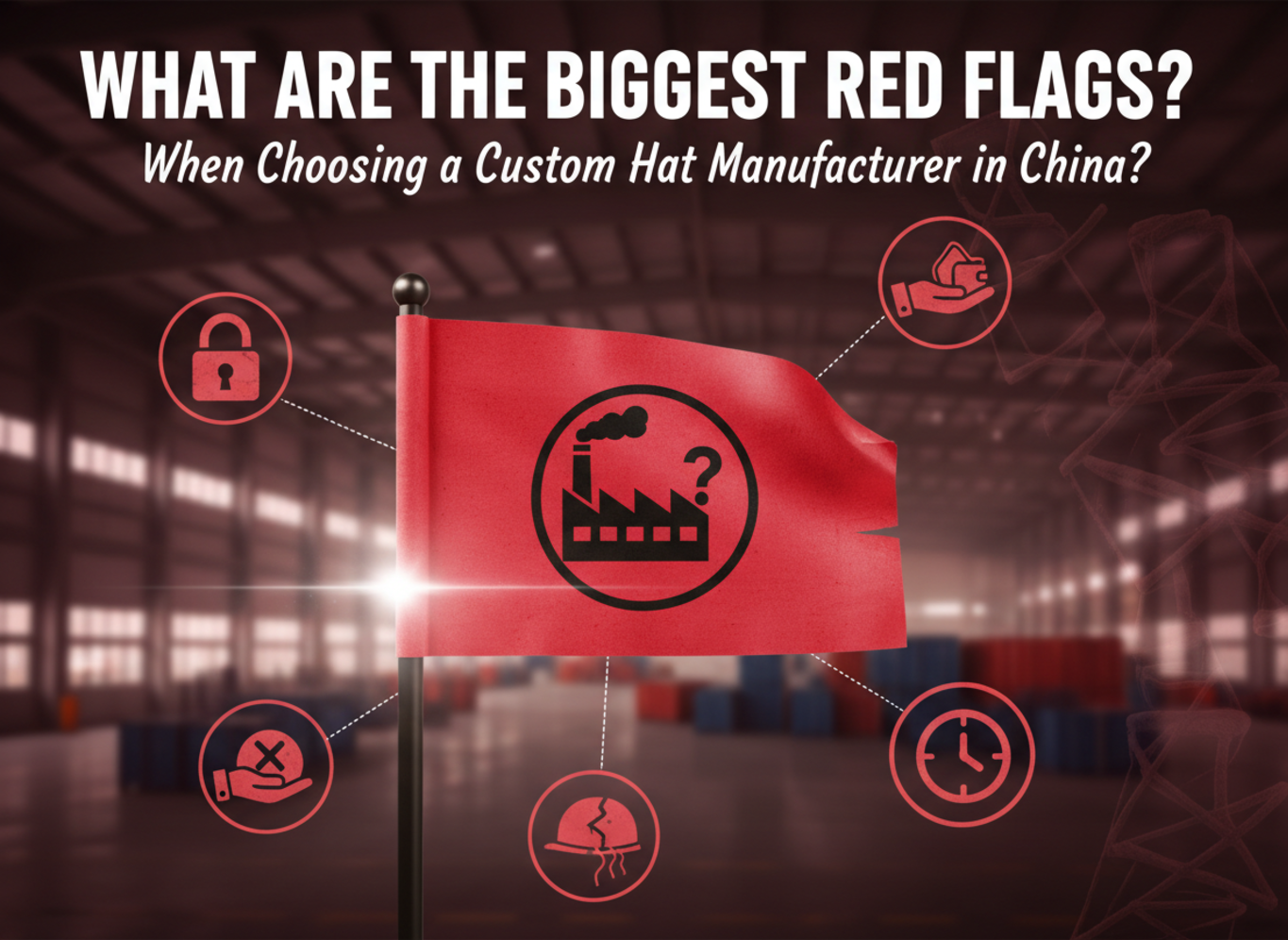
You have a great design, but you are afraid the factory will mess it up. Finding a bad supplier can ruin your brand’s launch and waste your money.
The biggest Warning Signs include extremely low prices1, lack of clear communication2, refusing to send samples3, and having no verified business reviews4. If a factory promises fast production5 without asking for specific design files6, they likely lack professional quality control standards7.
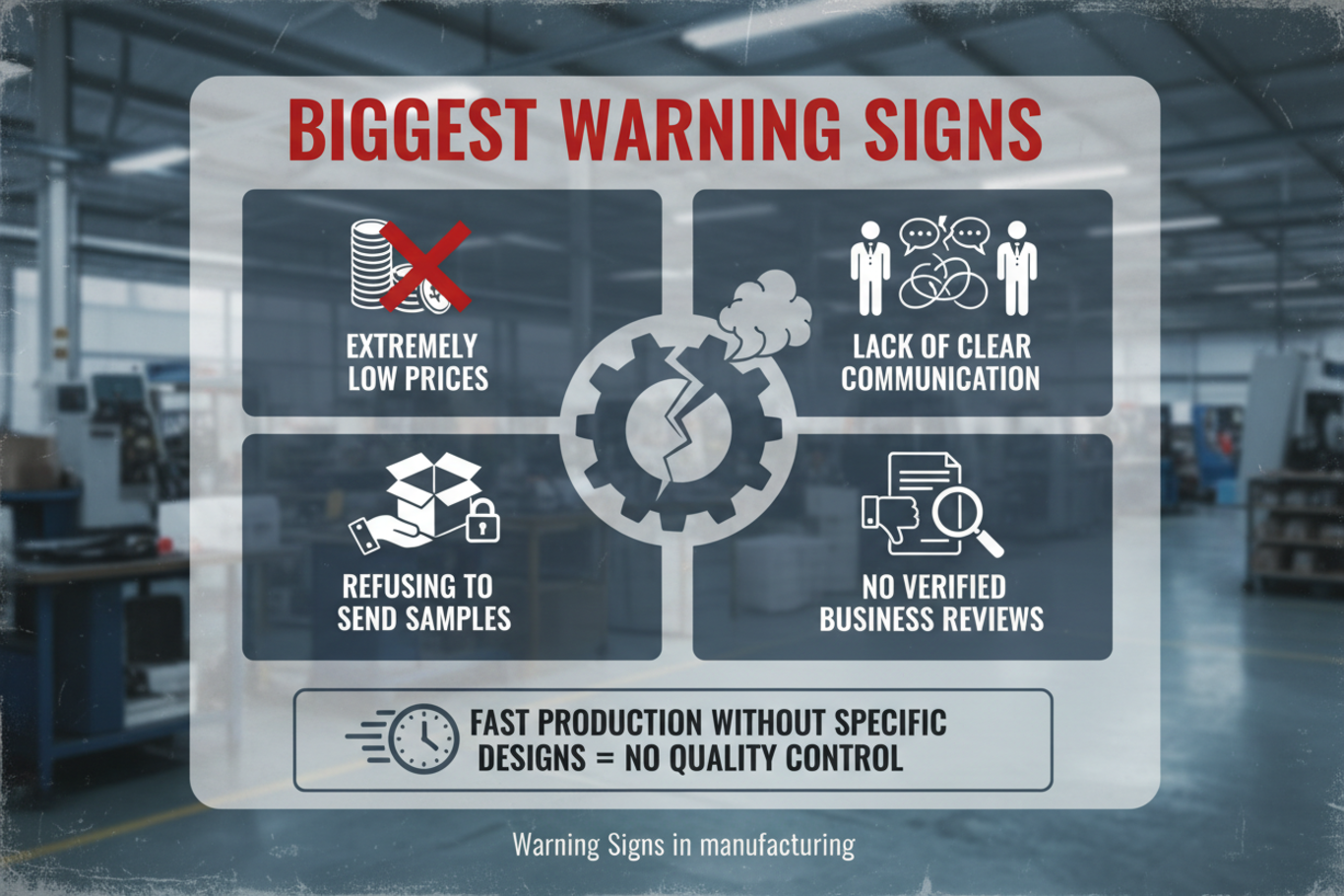
Choosing the right partner is hard. I have seen many brands fail because they ignored early warning signs. You need to know exactly what to look for before you pay.
What are Warning Signs when working with Chinese manufacturers?
You send a message, but the reply is vague. You feel like they are hiding something. This is the first sign of trouble for your business.
The most common Warning Signs include slow response times8, generic answers to specific questions9, and a push to pay fully upfront10. If they cannot explain their production process clearly or refuse a video call11, they might be a trading company pretending to be a factory12.

Communication is the Key to Success
When you start a clothing brand, you need a partner, not just a seller. I have worked in the hat industry for years. I know that clear communication is rare. Many suppliers just want to close the deal. They will say "yes" to everything. This is a major red flag. If you ask for a complex 3D embroidery on a thin fabric, a good factory will tell you it is risky. A bad factory will say "no problem" just to get your money.
Trading Companies vs. Real Factories
Another big issue is distinguishing between a middleman and a real manufacturer. There is nothing wrong with trading companies, but they often charge higher prices and have less control over quality. You can often tell by their address. Factories are usually in industrial zones or suburbs13. Trading companies are often in high-rise office buildings in the city center. You should ask them directly if they own the machines.
Lack of Industry Knowledge
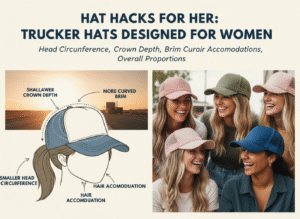
Pay attention to the questions they ask you. A professional manufacturer will ask about the brim curvature14, the sweatband material15, and the back closure style16. If they only ask about the logo and the quantity, they might not care about quality. They are likely rushing the process. Real professionals want to know the details so they do not make mistakes.
| Signal | Good Manufacturer | Bad Supplier |
|---|---|---|
| Response Time | Responds within 24 hours with details. | Takes days or gives one-word answers. |
| Problem Solving | Suggests better ways to make your design. | Agrees to impossible requests. |
| Transparency | Shows photos of the factory floor. | Uses stock photos from the internet. |
| Questions | Asks technical questions about fit and fabric. | Only asks "How many do you want?" |
How do you know if a supplier is unreliable?
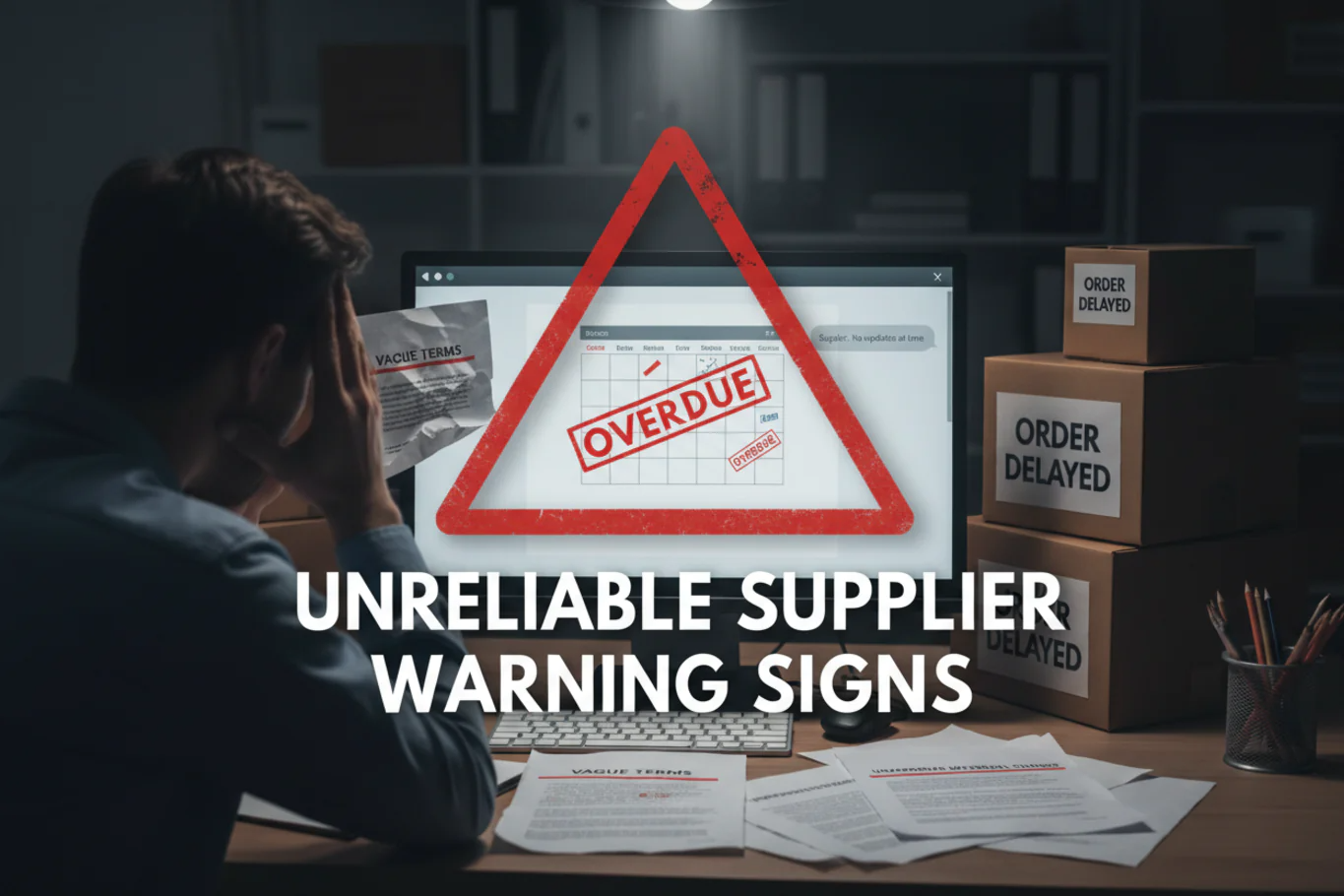
You place an order, then they go silent. The deadline passes, and you have no updates. Reliability is the most important part of a supply chain.
An unreliable supplier often changes the delivery date multiple times without a good reason. They might also change the material you chose without asking you first. If they do not provide a clear contract or invoice with specific terms, they are likely unreliable.
The "Bait and Switch17" Tactic
This is a nightmare for many small brand owners. You confirm a sample with high-quality cotton twill. But when the bulk order arrives, the fabric feels thin and cheap. Unreliable suppliers do this to save money. They hope you will not notice or that you are too far away to return the goods. At Anthea, we believe in honesty. If a fabric is out of stock, we tell the client immediately. We never swap materials without permission.
Inconsistent Timelines
Time is money. If you plan a product launch for the summer, you need your bucket hats in spring. Unreliable factories give you a fake lead time to get the order. They say "15 days," but they know it will take 40 days. Watch out for suppliers who promise speed that seems impossible. Quality manufacturing takes time. If they delay your order once, it happens. If they delay it three times and stop answering emails, you are in trouble.
Poor Documentation
Professional business requires paper trails. If a supplier asks you to send money to a personal bank account, be careful. If they refuse to give you a formal Proforma Invoice (PI)18 with all the product specs listed, they are avoiding responsibility. A reliable partner puts everything in writing. This protects both you and them.
| Factor | Reliable Behavior | Unreliable Behavior |
|---|---|---|
| Materials | Uses exactly what was approved in the sample. | Swaps for cheaper alternatives silently. |
| Deadlines | Gives realistic dates and updates on delays. | Promises fast dates but misses them constantly. |
| Payment | Uses business accounts and formal invoices. | Asks for Western Union to a personal name. |
| Updates | Proactively sends production photos. | You have to chase them for days to get a reply. |
What warning signs indicate poor quality control?
The sample looks okay, but the bulk order looks terrible. Inconsistent quality kills your brand reputation. You cannot sell hats that look cheap or broken.
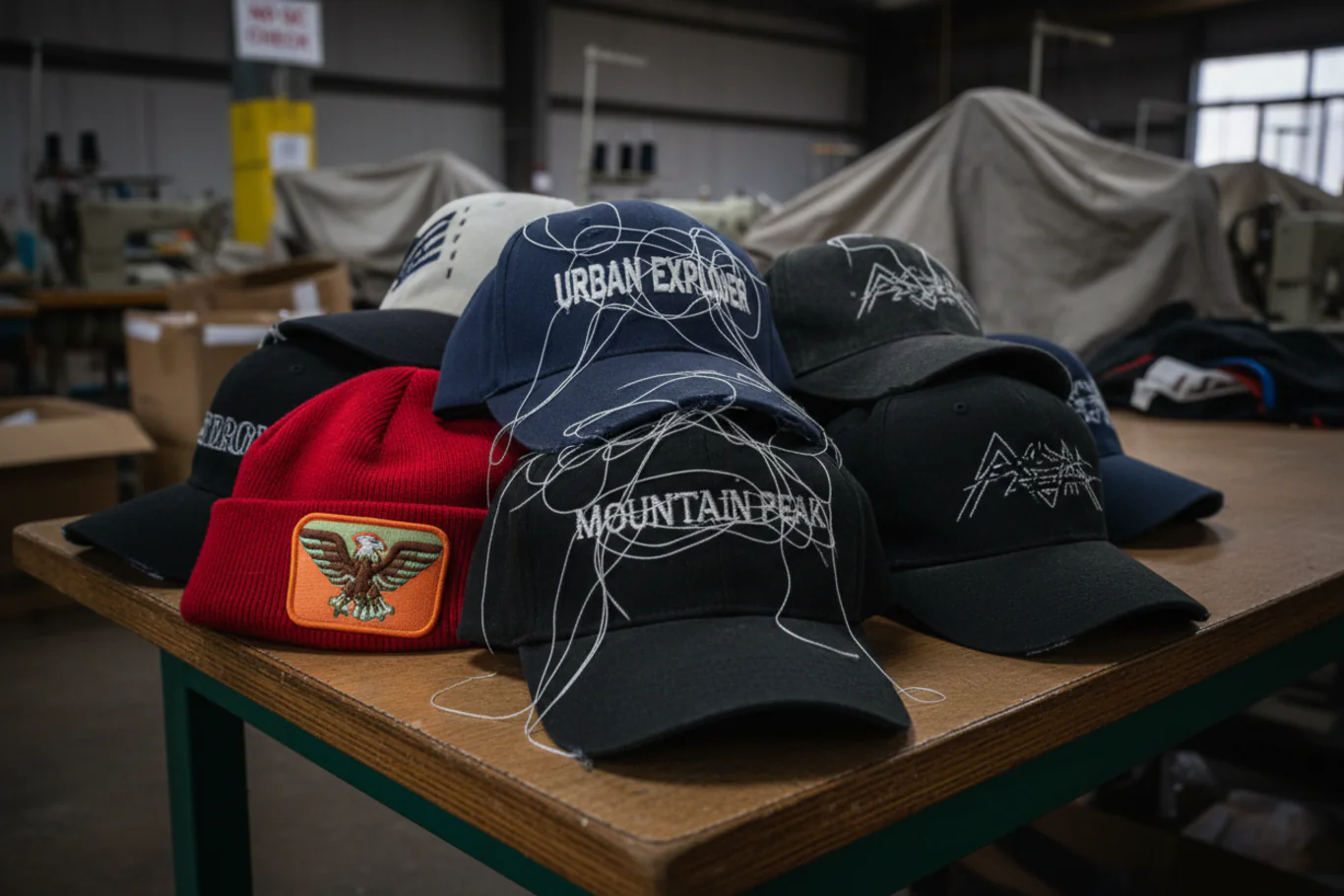
Warning signs include messy stitching in sample photos, logos that are not centered, and mismatched colors. If the factory does not have a dedicated QC (Quality Control) team or refuses to show you photos of the bulk production before shipping, the quality is likely poor.
The Importance of Pre-Shipment Inspection19
Many new entrepreneurs make a mistake. They wait until the box arrives at their door to check the quality. By then, it is too late. A bad factory will try to ship the goods as soon as they are done. They do not want you to see the mistakes. You must ask for high-resolution photos or videos of the finished products before you pay the final balance. If they refuse or send blurry photos, they are hiding defects.
Common Defects to Look For
When you look at sample photos, zoom in. Look at the stitching on the brim. Is it straight? Look at the sweatband inside. Is it smooth? Check the embroidery. are there loose threads connecting the letters? These small details separate a premium brand from a cheap giveaway hat. If the factory cannot get the sample right, the bulk order will be worse. Mass production is harder to control than making one single sample.
Understanding Quality Standards
Every factory has a different standard. What they think is "good enough" might be "trash" to you. You need to define your standard. A bad supplier will say "this is normal industry standard" when you point out a crooked logo. A good supplier will admit the mistake and offer to fix it. At Anthea, we check every piece. But many cheap factories only check 10% of the order. This is gambling with your money.
| Defect Type | What to Look For |
|---|---|
| Embroidery | Loose threads, puckering fabric, off-center placement. |
| Structure | The crown is crushed or misshapen. |
| Stitching | Uneven stitch lines on the brim or panels. |
| Cleanliness | Oil spots, dirt marks, or loose fabric scraps inside. |
| Sizing | The hat is too tight or too loose compared to the spec sheet. |
How can you avoid bad suppliers in China?
There are thousands of factories online. You feel overwhelmed trying to pick the right one. Making the wrong choice costs you time and money.
To avoid bad suppliers, start with a small sample order to test their speed and quality. Ask for references from other customers. Always use a secure payment method like PayPal or Alibaba Trade Assurance20 for the first transaction to protect your funds.

The Power of Sampling
Never place a bulk order without seeing a sample first. This is the golden rule. Even if the photos look great, you need to touch the hat. You need to wear it. Does it fit comfortably? Is the fabric soft or scratchy? The sample process is a test. It tests the product, but it also tests the relationship. How fast did they make it? Did they understand your feedback? If the sample process is a headache, the bulk order will be a disaster.
Start Small and Scale Up
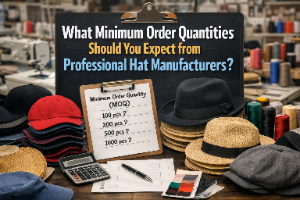
If you are a new brand, do not order 5000 hats from a new supplier. Start with their Minimum Order Quantity (MOQ). At Anthea, our MOQ is 200 pieces. This lowers your risk. If a supplier demands a huge order for the first time, be careful. They might be trying to make a quick profit. A good partner wants to grow with you. They understand you need to test the market first.
Check Their Reputation
Do some detective work. Search the company name on Google. Look for reviews on social media. Ask them if they have worked with brands in your country before. If they have export experience, they understand Western quality standards. If they only sell to the domestic Chinese market, they might not understand what you need. You can also ask for photos of other brands they have made. If they can show you recent work, that is a good sign.
| Vetting Step | Why It Matters |
|---|---|
| Order a Sample | Tests quality and communication speed. |
| Check MOQ | Low MOQ shows flexibility for small brands. |
| Secure Payment | Protects your money if they scam you. |
| Ask for References | Proves they have real, happy customers. |
Why are extremely low prices1 a Warning Signs?
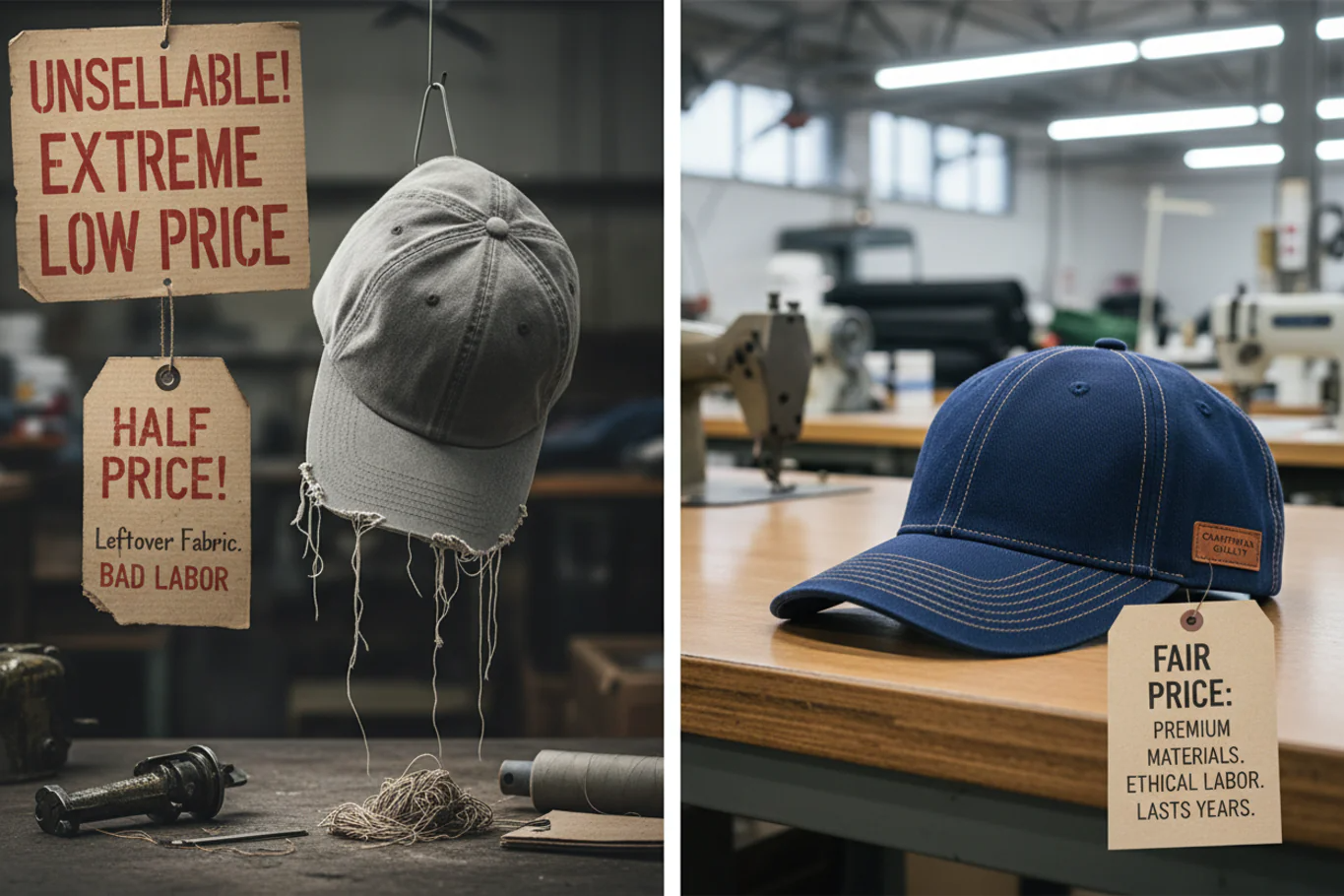
You see a price that is half of everyone else. It looks like a great deal. But cheap prices usually mean cheap materials and bad labor practices.
Extremely low prices are a major red flag because factories must cover material and labor costs. If the price is too low, they are likely using leftover fabric, poor quality threads, or skipping quality checks. You will end up with an unsellable product.
The Real Cost of a Hat
Let’s break it down. A hat needs fabric, a plastic brim insert, a sweatband, a button, a closure, and thread. Then you have to pay the cutter, the sewer, the packer, and the shipping agent. If a factory quotes you $1.50 for a custom embroidered hat, the math does not work. They have to cut costs somewhere. Usually, they use "stock fabric" which is old leftover fabric from other orders. This fabric might be dirty or faded.
Hidden Costs
Cheap suppliers often hide fees. They give you a low unit price to hook you. Then, later, they add a huge "setup fee" for the logo. Or they charge double for shipping. Or they demand extra money for packaging. In the end, you pay the same price as a good factory, but you get a worse product. I always tell clients to look at the "Total Landed Cost." This includes the item, the shipping, and the duties.
Ethical Manufacturing
There is also the human cost. Extremely low prices often mean the workers are underpaid or working in bad conditions. As a brand owner, you want to be proud of your product. You want to tell your customers that your hats are made fairly. A factory that charges a fair price can afford to treat its workers well. This leads to better quality because happy workers care more about their work.
| Price Component | Cheap Factory | Quality Factory |
|---|---|---|
| Fabric | Leftover, thin, inconsistent colors. | Fresh roll, durable, consistent dye. |
| Labor | Unskilled, rushed, paid by piece. | Skilled, careful, fair wages. |
| Packaging | Thin bags, crushed boxes. | Custom bags, sturdy boxes for protection. |
| Outcome | High defect rate, unhappy customers. | Consistent quality, repeat customers. |
How can I verify a China hat factory?
You want to be 100% sure before you send money. You cannot visit China yourself right now. You need digital ways to check if they are real.
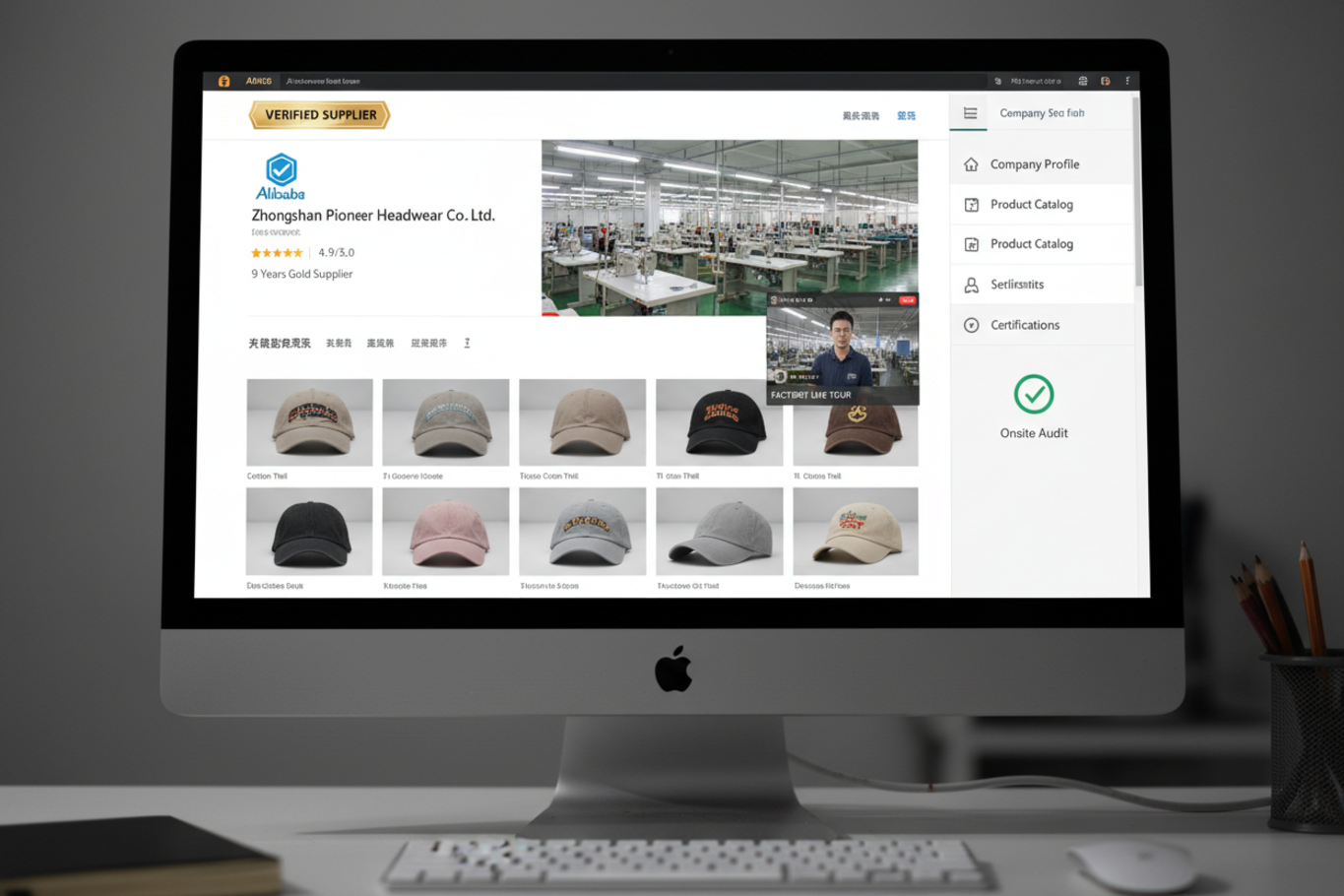
You can verify a factory by asking for their business license and ISO certificates. Check their profile on B2B platforms like Alibaba for "Verified Supplier" badges. Ask for a live video tour of the factory floor to see the machines and workers in action.
The Power of Video Calls
Technology makes verification easy. You do not need a plane ticket. Just ask for a video call on WhatsApp or Zoom. Ask them to walk onto the production floor. I do this with my clients all the time. I show them the embroidery machines running. I show them the fabric warehouse. A scammer cannot do this. They will make excuses. They will say the camera is broken or the signal is bad. If they refuse a live tour, do not trust them.
Third-Party Audits
If you are placing a very large order, you can hire a third-party inspection company. Companies like SGS or Intertek can send an agent to the factory. They will check if the factory exists and if they have the machines they claim to have. This costs money, but it gives you peace of mind. For smaller orders, this might be too expensive, so relying on video calls and samples is better.
Social Proof and Digital Footprint
Look at their online presence. A real modern factory usually has a website, an Instagram page, or a LinkedIn profile. Look at the content. Do they post videos of their workers? Do they show behind-the-scenes clips? Scammers usually steal clean, perfect photos from other brands. Real factories post raw, messy content from the factory floor. We post videos of our daily work to show clients we are real people making real products.
| Verification Method | Difficulty | Effectiveness |
|---|---|---|
| Video Call Tour | Easy | Very High |
| Check Business License | Medium | High |
| Third-Party Audit | Hard / Costly | Extremely High |
| Social Media Check | Easy | Medium |
Conclusion
Finding a good partner takes work, but spotting Warning Signs saves you money. Look for transparency, fair pricing, and clear communication to build a successful brand.
-
Learn how unrealistically cheap quotes often signal corner-cutting on materials, labor, and QC—protecting your launch budget. ↩ ↩
-
Strong communication prevents costly mistakes on specs, timelines, and approvals—see best-practice checklists to vet suppliers. ↩
-
Sampling is your quality proof. A credible guide helps you respond correctly and avoid paying for unknown quality. ↩
-
Verification methods help you spot fake reviews and confirm real customer experiences before you commit funds. ↩
-
Understand typical lead times and capacity limits so you can detect impossible promises and prevent missed launches. ↩
-
A solid resource clarifies required files and specs so you can identify factories that skip fundamentals and risk errors. ↩
-
QC standards explain what good factories document and inspect—helping you demand the right controls and evidence. ↩
-
Benchmarking response times helps you screen out unreliable partners early and set clear communication SLAs. ↩
-
Tactics for probing questions and verification reduce the chance you’re dealing with a low-skill or deceptive supplier. ↩
-
Standard payment-term guidance reduces fraud risk and gives you leverage if quality or timelines slip. ↩
-
Remote verification steps (live tours, proof points) help you avoid trading-company imposters and scams. ↩
-
Clear indicators (documents, location cues, capabilities) help you choose the right partner and avoid markups. ↩
-
Understanding common factory locations helps you sanity-check addresses and spot office-only middlemen. ↩
-
Spec guidance ensures your factory understands fit and shape requirements, reducing sampling rounds and defects. ↩
-
Material comparisons help you choose comfort/durability targets and evaluate whether a supplier knows the details. ↩
-
A closure guide helps you select the right components and communicate specs clearly to avoid wrong trims in bulk. ↩
-
Prevention steps (approvals, contracts, inspections) protect you from silent material swaps between sample and bulk. ↩
-
A PI checklist ensures all specs/terms are documented—critical leverage if disputes arise on quality or delivery. ↩
-
Inspection standards help you catch defects before final payment—saving rework, returns, and reputation damage. ↩
-
Learn coverage limits and best practices so your first transactions are safer if timelines or quality go wrong. ↩