
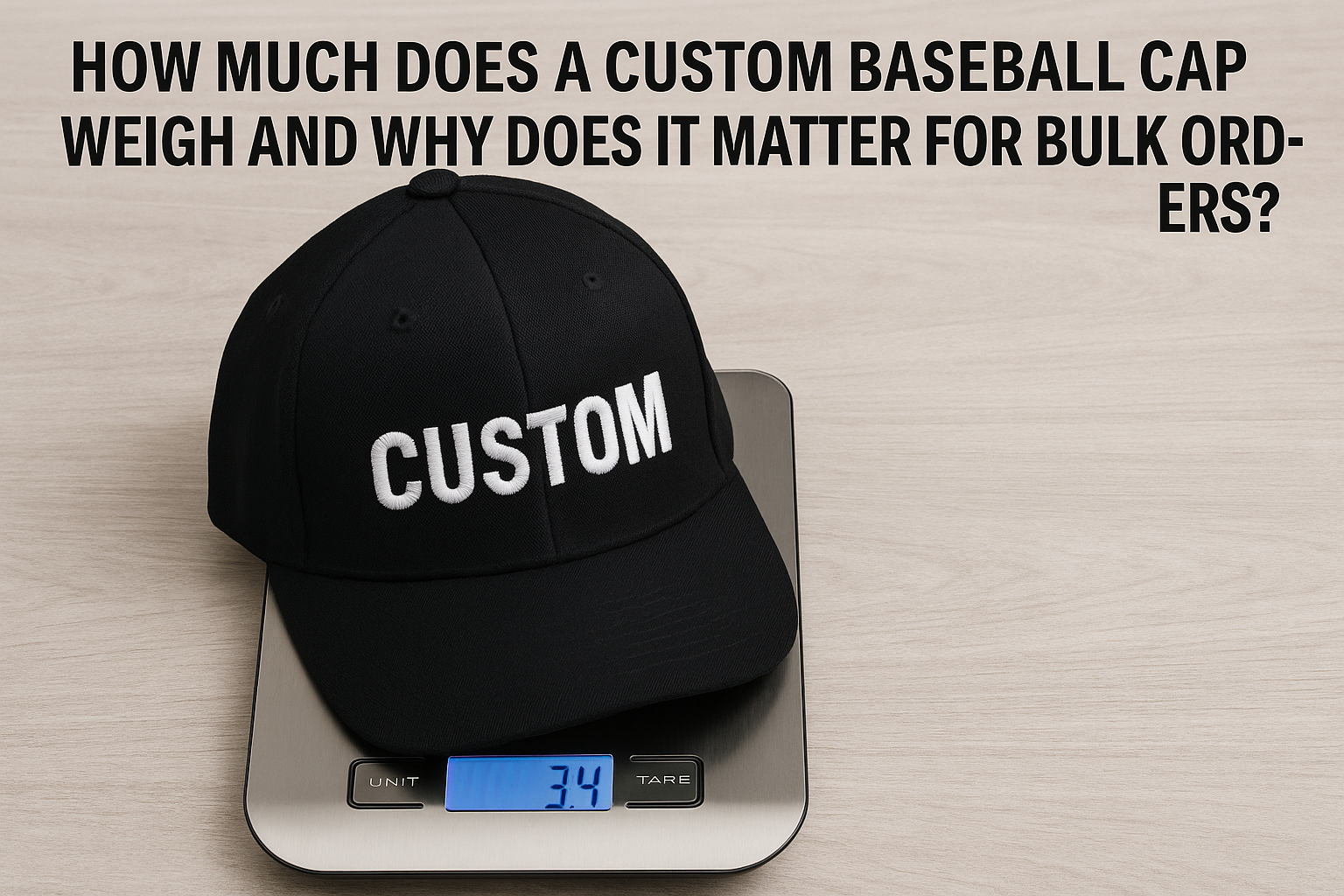
If you’re ordering caps in bulk, guessing the weight can cost you. Freight charges add up fast—and a few grams per cap could impact your bottom line.
A custom baseball cap1 typically weighs 50 to 120 grams, depending on materials and design. Accurate weight data helps you estimate shipping costs2, avoid overages, and plan bulk logistics3 more efficiently.
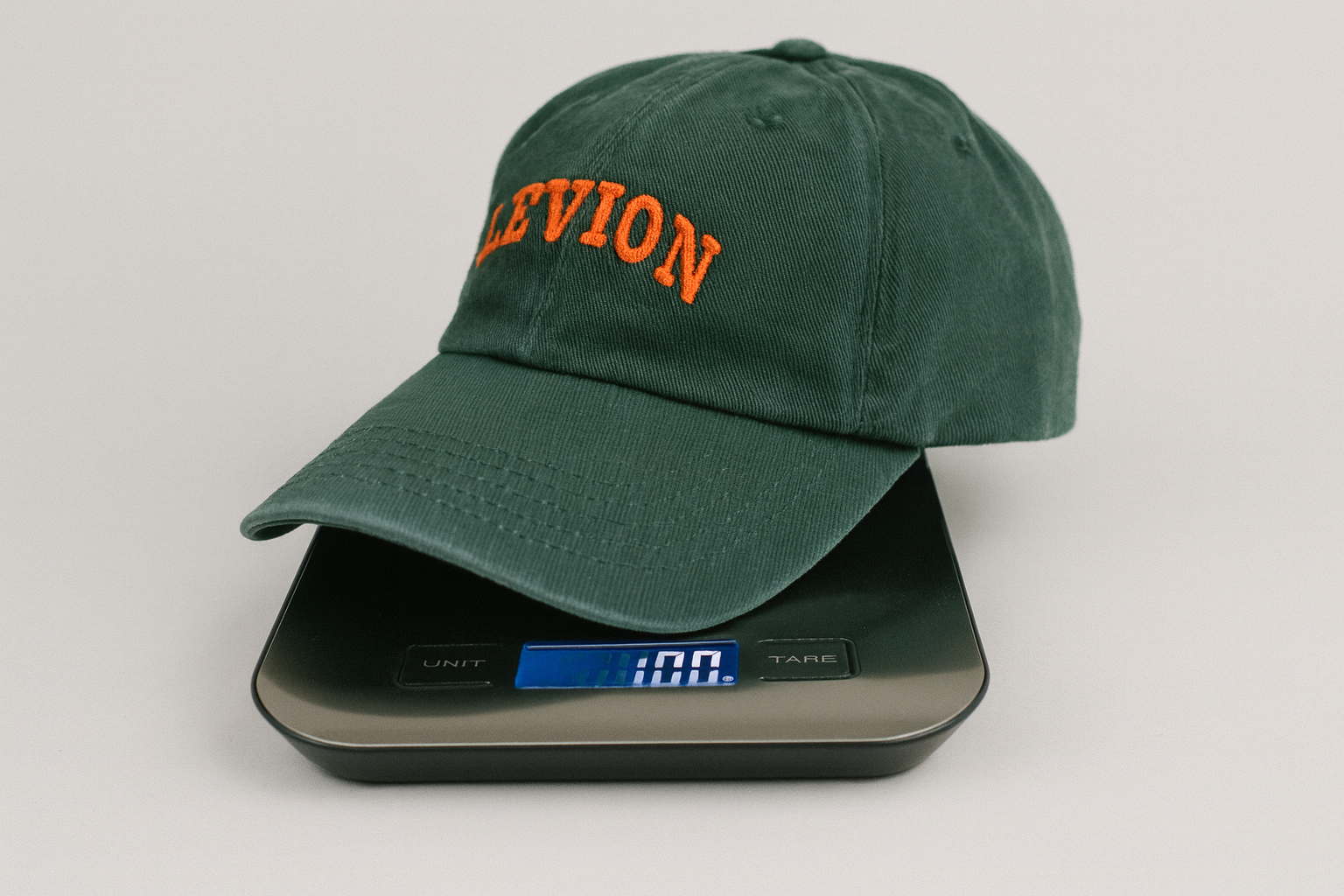
Let’s look at why weight matters, what affects it, and how your manufacturer can help you avoid expensive surprises in bulk orders.
What affects a baseball cap1’s weight in grams?
Cap weight varies more than most people expect. And when you’re shipping thousands, every gram counts.
The material, structure, size, and type of customization4—like embroidery5 or patches—can all influence how much a baseball cap1 weighs.
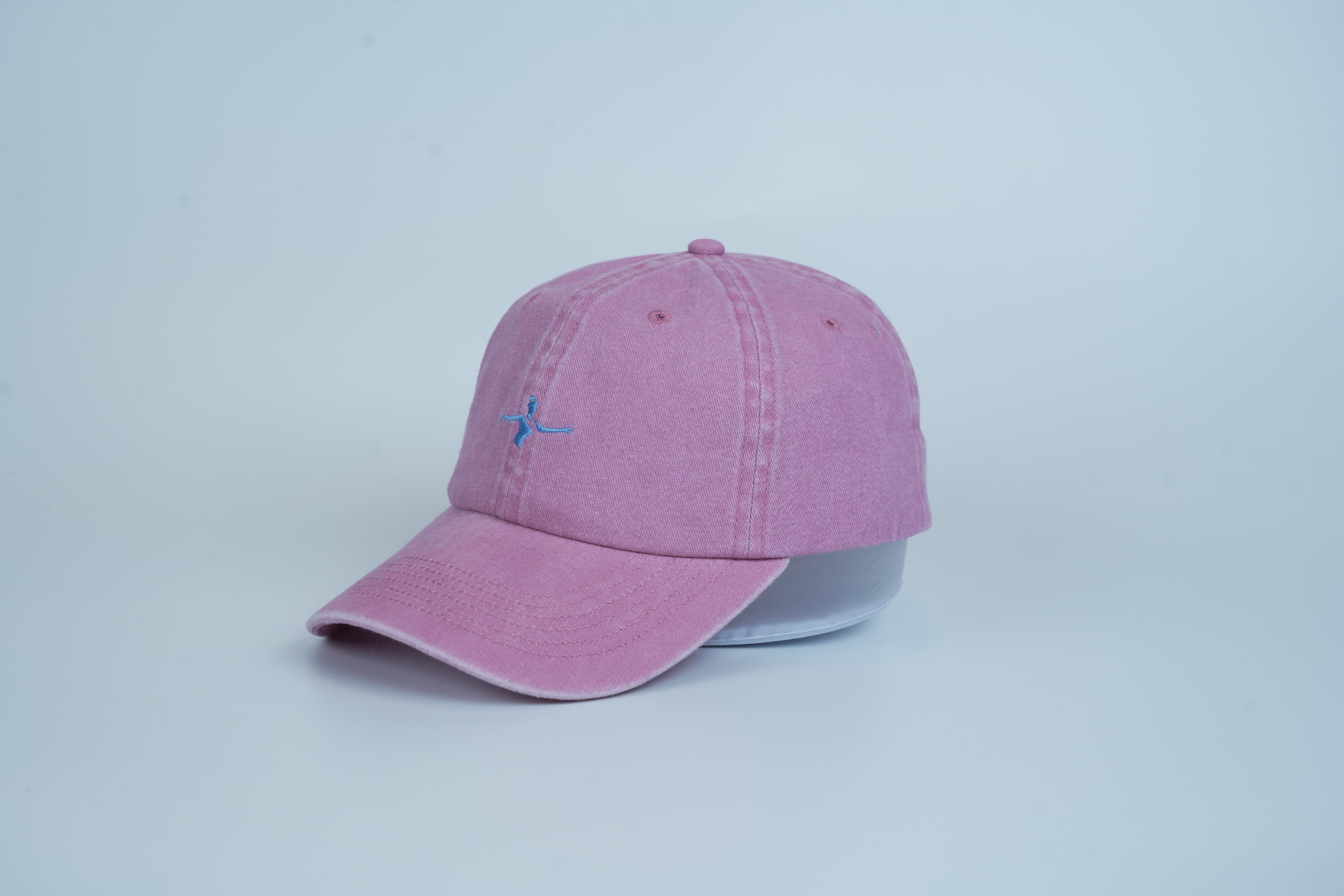
A standard unstructured cotton cap usually weighs between 80 to 90 grams. Add a reinforced crown or structured panels, and that number can jump to 100 grams. Heavier fabrics like wool blends or canvas can take it to 110–120 grams.
Closures also matter. A leather strap with a metal buckle weighs more than a plastic snapback. Vent eyelets, top button hardware, and even inner tape contribute grams.
Here’s a simple breakdown:
| Component | Weight Impact |
|---|---|
| Lightweight cotton | 60–80g |
| Structured panels (buckram) | +10–15g |
| Canvas or wool materials | +15–25g |
| Metal buckle strap | +5–10g |
| Snapback plastic closure | +2–5g |
As a manufacturer, I always suggest clients request a weight confirmation6 during sample production. This keeps your shipping calculations accurate and eliminates surprise freight adjustments.
How much extra weight does embroidery5 add?
A simple logo and a 3D embroidered patch don’t weigh the same. The added grams can scale across large orders.
Embroidery can increase cap weight by 10–20%, depending on density, thread type, and design coverage.
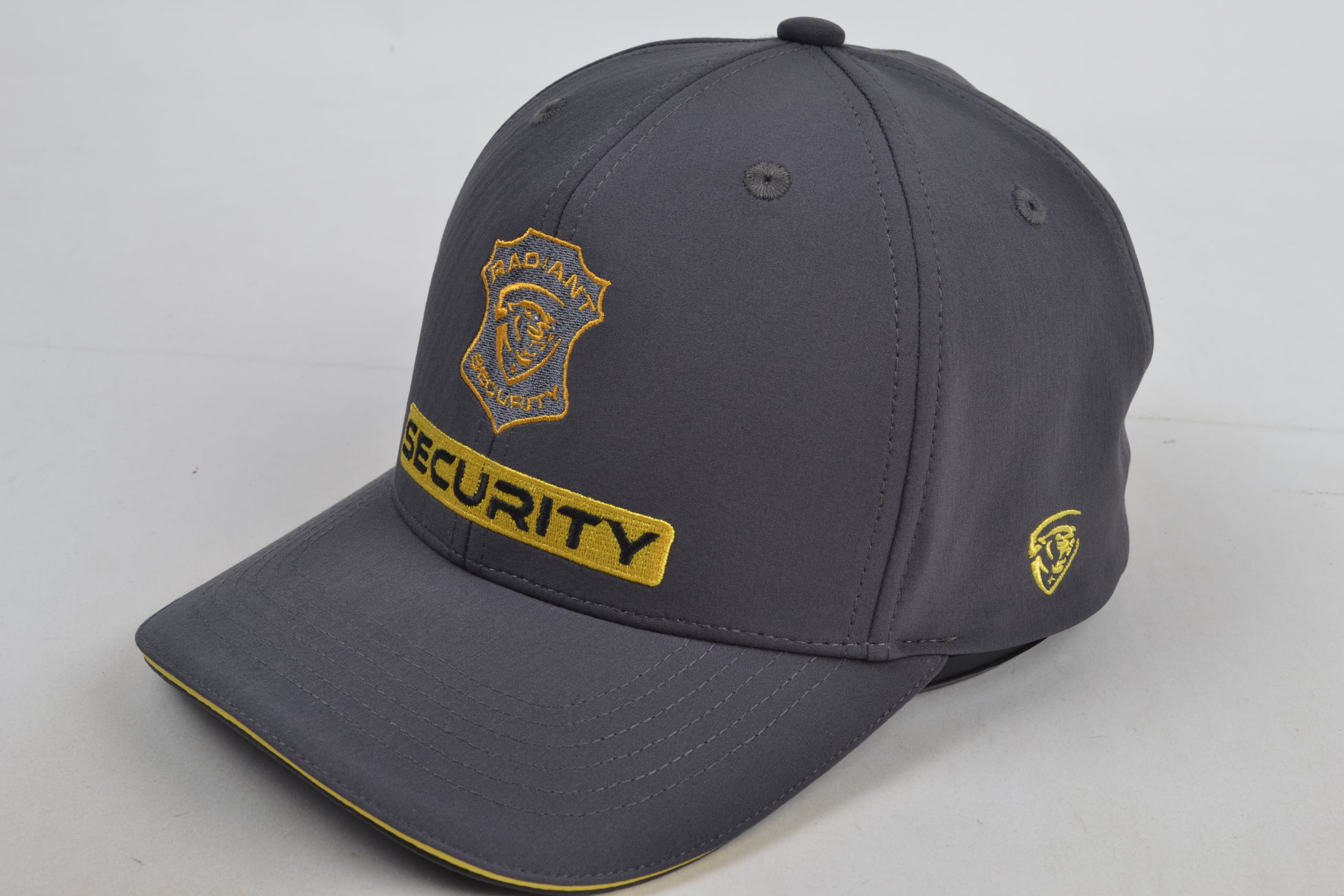
Let’s say your base cap is 90 grams. A single-line logo with flat embroidery5 might only add 3 to 5 grams. But if your design uses high-density 3D puff embroidery5, wraps around the side, or covers a large area, it could add 10–20 grams.
This difference may sound small—but it adds up fast:
| Design Type | Est. Added Weight |
|---|---|
| Flat logo embroidery5 | +3–5g |
| 3D puff embroidery5 | +6–12g |
| Side + back embroidery5 | +8–15g |
| Full panel coverage | +10–20g |
For 1,000 caps, 10 grams per unit adds 10 extra kilograms to your shipment. That can push you into a higher freight bracket, especially with air express carriers like DHL or FedEx.
To help with this, I send clients embroidery5 mockups with estimated thread coverage and adjusted weight estimates before sampling.
Why is cap weight important for international shipping?
Couriers charge by total weight or dimensional weight7—whichever is higher. Underestimating cap weight leads to surprise fees.
Knowing cap weight helps estimate accurate shipping fees, avoid customs delays, and prevent freight losses in international B2B shipments.

For international orders, the final cost includes more than just the product. Shipping costs are calculated using actual weight or dimensional weight7 (volume), whichever is greater.
If you plan to ship 500 embroidered caps that weigh 110g each, that’s 55kg total, not including boxes and packaging. Add 5kg for cartons, and you’re over 60kg.
For express shipments:
- DHL / FedEx under 50kg = one pricing tier
- Above 50kg = higher-cost bracket
- Above 100kg = sea freight or consolidated cargo preferred
Here’s an example from a recent order:
| Order Size | Cap Type | Total Weight | Shipping Mode |
|---|---|---|---|
| 200 pcs | Lightweight cotton | 18 kg | DHL Express |
| 500 pcs | Embroidered caps | 60 kg | FedEx Express |
| 2,000 pcs | Mixed styles | 250+ kg | Sea Freight |
Planning your cap weights ahead of time helps avoid last-minute courier changes or customs clearance delays caused by mismatched paperwork.
What are best practices when planning bulk hat orders?
Guesswork doesn’t scale. Especially if your margins are tight, precision matters.
Get confirmed specs from your manufacturer before placing bulk orders. Ask for packed unit weight, carton dimensions8, and estimated freight.
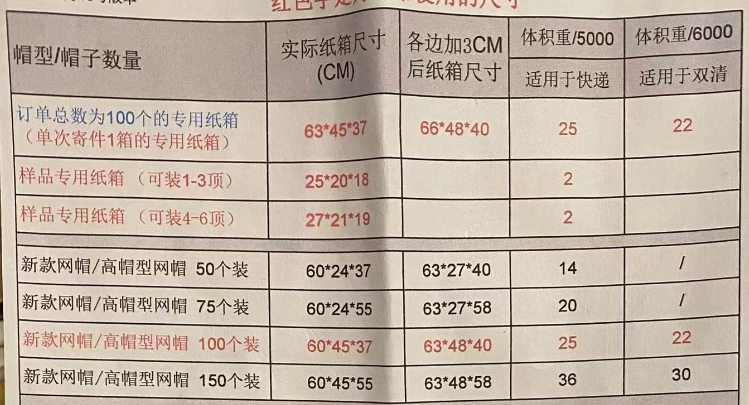
At Anthea, we provide full product spec sheets with every order—including per-unit weight, carton dimensions8, gross weight, and box count. This allows buyers to calculate landed cost9 accurately before production begins.
A typical bulk order spec looks like this:
| Spec Item | Detail |
|---|---|
| Product | Custom 6-panel cap |
| Unit weight | 102 grams |
| MOQ | 200 pcs |
| Carton size | 56 × 45 × 35 cm |
| Units per carton | 100 caps |
| Carton gross weight | 11 kg |
Best practices:
- Request a pre-production sample with final materials and decoration
- Weigh the sample independently if possible
- Confirm packaging and carton specs before final payment
- Choose express or sea freight based on timeline and cost tolerance
Conclusion
Hat weight isn’t just a technical detail—it’s a business metric. Control your grams, and you control cost, logistics, and margins.
Contact
Anthea Custom Headwear Co., Ltd.
🌐 Visit Website
📧 [email protected]
📱 WhatsApp: +86 18132712127
-
Understanding the average weight of a baseball cap can help you estimate shipping costs more accurately. ↩ ↩ ↩
-
Learn how shipping costs are calculated to avoid unexpected fees when ordering in bulk. ↩
-
Discover best practices for managing logistics efficiently when ordering caps in bulk. ↩
-
Find out how various customization options can influence the weight and cost of your caps. ↩
-
Explore how different types of embroidery can impact the overall weight and shipping costs of caps. ↩ ↩ ↩ ↩ ↩ ↩ ↩ ↩
-
Discover why confirming weight during production can save you from costly shipping surprises. ↩
-
Understanding dimensional weight can help you avoid extra charges when shipping large orders. ↩ ↩
-
Explore how carton dimensions can impact shipping fees and logistics planning. ↩ ↩
-
Understanding landed cost is crucial for accurate budgeting and pricing in bulk orders. ↩