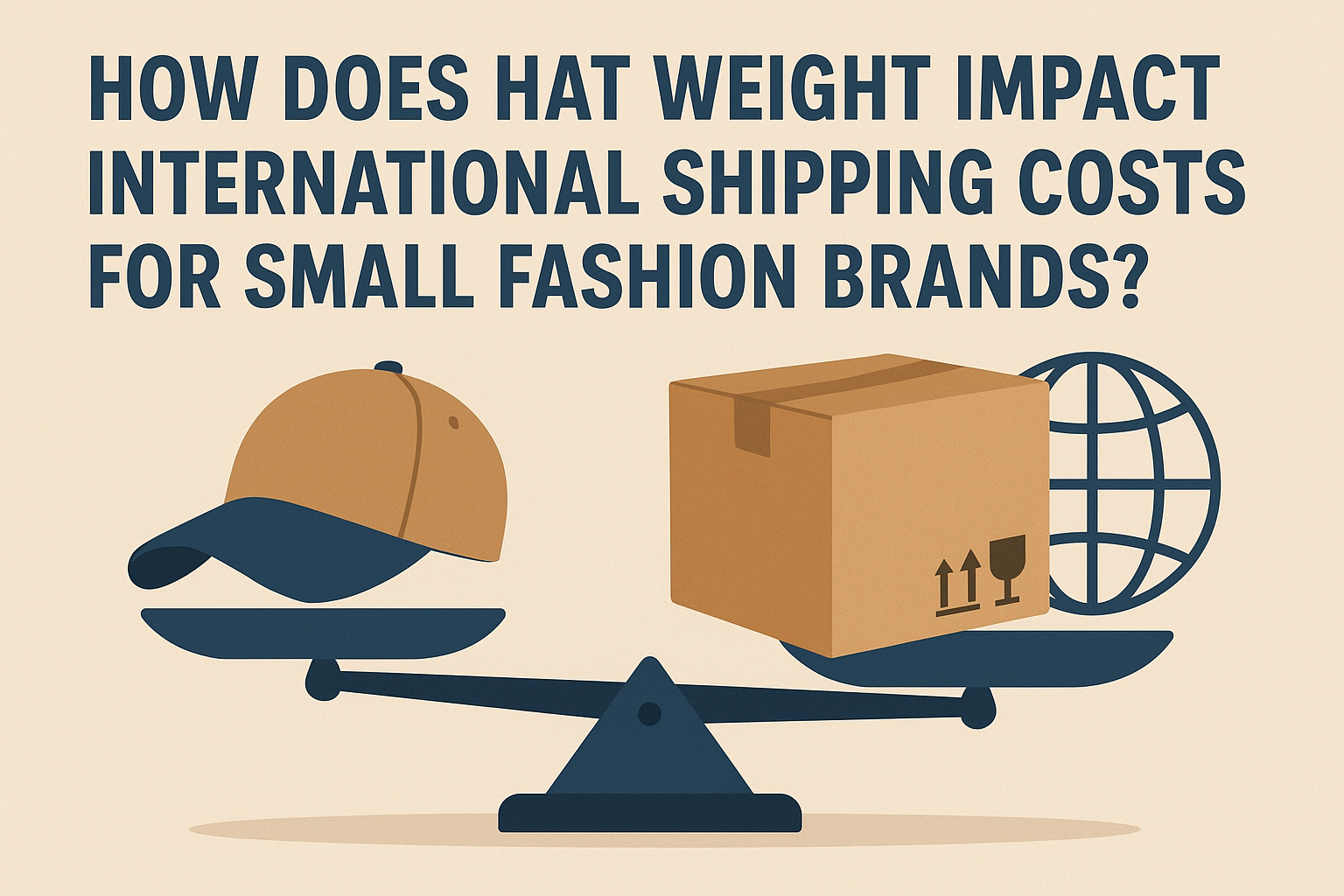
When you’re shipping globally, even a 20-gram difference in product weight can shrink your profit margin1. For small brands, that weight matters more than you think.
International shipping carriers calculate fees by weight brackets2. A single cap that weighs 20g more can raise shipping costs3 by up to 30% per unit. Lighter hats = higher margins for global e-commerce4.

Let’s break down why weight affects shipping, and how small changes in hat construction can keep you competitive overseas.
Why does hat weight matter in international shipping?
Shipping costs jump in price bands—often every 50 or 100 grams. Carriers like USPS, FedEx, and DHL charge based on the actual or volumetric weight, whichever is higher.
Even a small increase—say from 95g to 115g per cap—can tip your parcel into the next pricing tier. That affects pricing, customer experience, and margins.
What global shipping carriers charge by weight
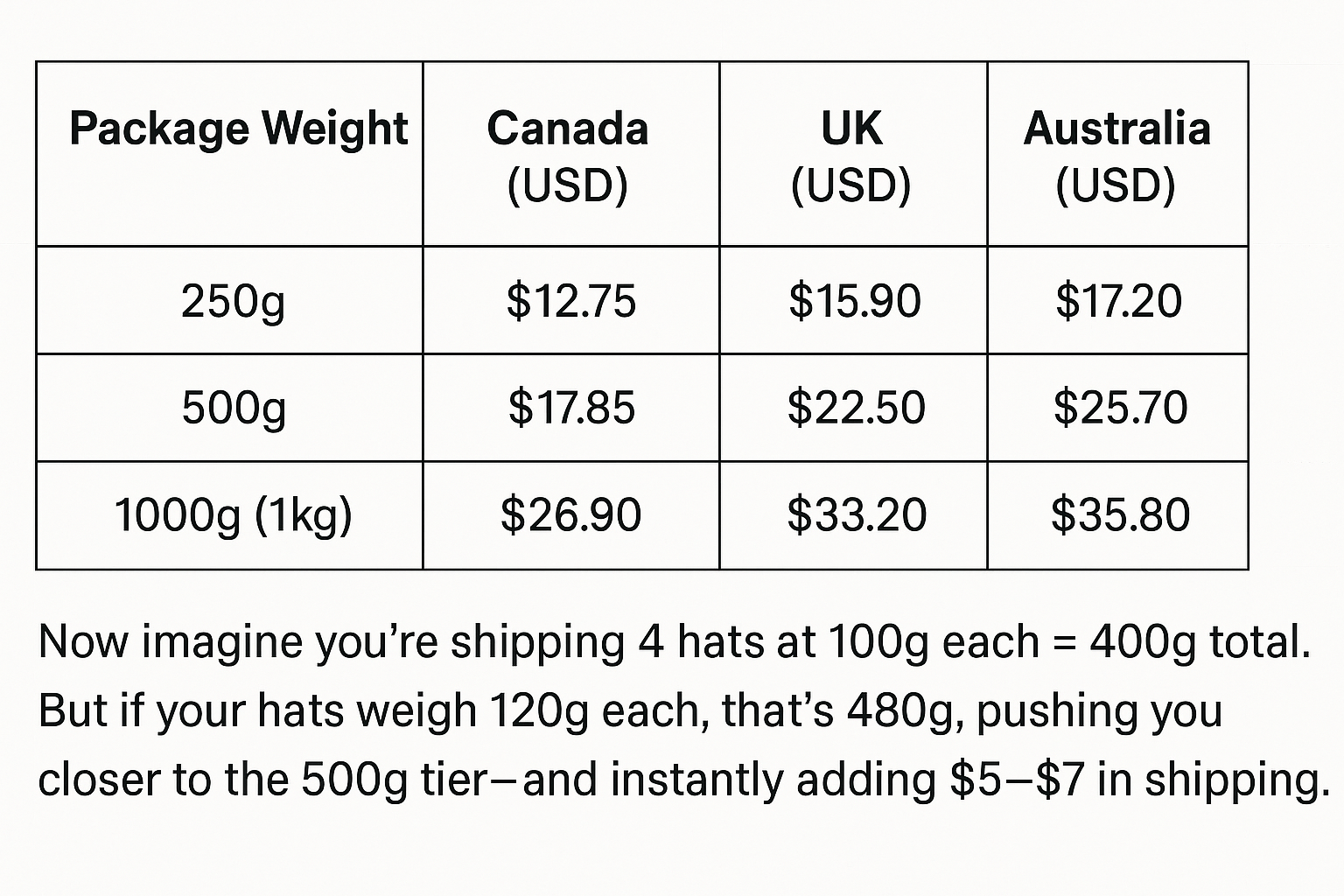
Here’s what international rates look like from USPS (as of 2025):
| Package Weight | Canada (USD) | UK (USD) | Australia (USD) |
|---|---|---|---|
| 250g | $12.75 | $15.90 | $17.20 |
| 500g | $17.85 | $22.50 | $25.70 |
| 1000g (1kg) | $26.90 | $33.20 | $35.80 |
Now imagine you’re shipping 4 hats at 100g each = 400g total. But if your hats weigh 120g each, that’s 480g, pushing you closer to the 500g tier—and instantly adding $5–$7 in shipping.
That adds up quickly, especially for DTC brands5 that offer free shipping or fixed international rates.
How can hat weight optimization6 increase profits?
Lower shipping cost means higher profit—or more competitive pricing for customers. Reducing weight without sacrificing quality is one of the easiest wins for a global brand.
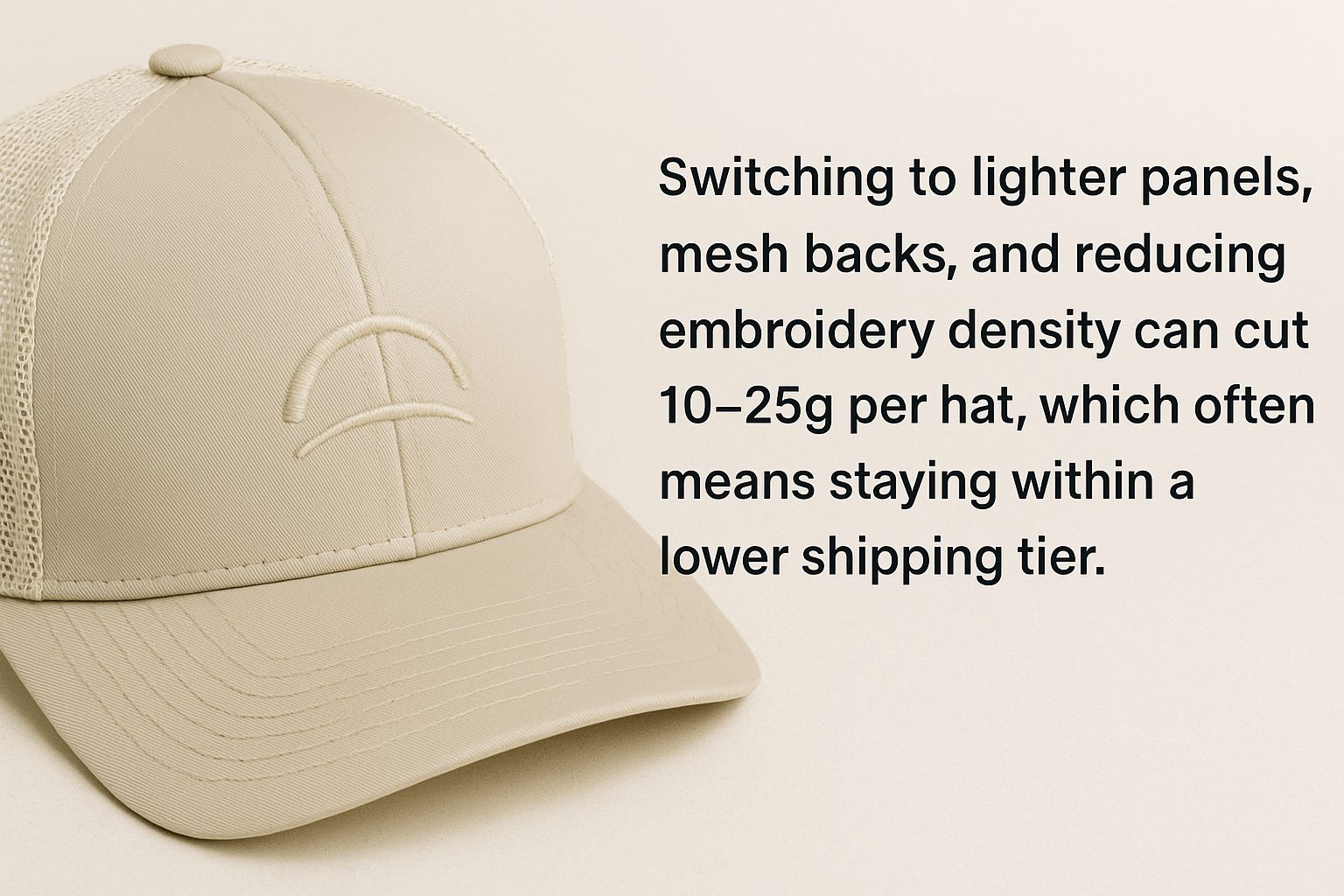
Switching to lighter panels, mesh backs, and reducing embroidery density can cut 10–25g per hat, which often means staying within a lower shipping tier.
What Anthea does to keep hats light—but premium
Here are a few techniques we use at Anthea:
| Technique | Avg. Weight Savings | Effect on Style |
|---|---|---|
| Switch cotton twill to poly mix | 10–15g | Slightly softer feel |
| Use mesh panels (trucker style) | 15–20g | More breathable |
| Reduce embroidery thread density | 5–10g | Minimal visual loss |
| Thinner inner sweatband material | 5g | Still absorbs sweat |
For most DTC brands5, these tweaks are invisible to the customer—but noticeable on your profit margin1.
How should international fashion brands price based on weight?
Your product price needs to cover not just production, but packaging7, shipping, and taxes. Underestimating weight = underestimating cost.
If you ship globally, factor in weight-based cost tiers8 when setting pricing—and offer incentives for lighter bundles or faster delivery on lightweight items.
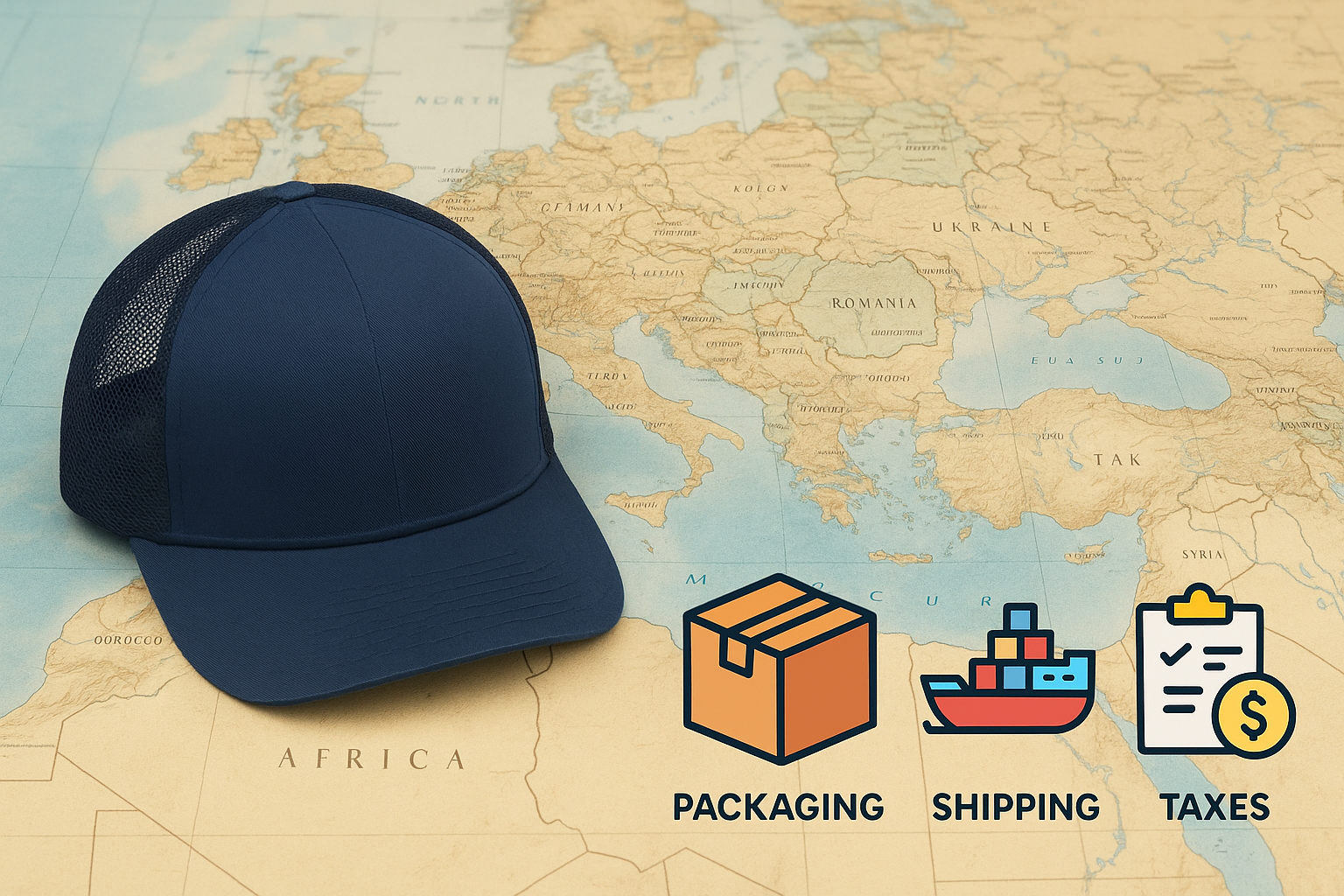
Global pricing model based on weight tiers
Let’s say your base hat cost is $5. Here’s how shipping weight changes your profit:
| Hat Weight | Ship Weight Tier | Avg. Shipping Cost | Sell Price | Gross Profit |
|---|---|---|---|---|
| 95g | Under 250g | $12.75 | $35 | $17.25 |
| 115g | Over 250g | $17.85 | $35 | $12.15 |
That’s a $5 difference per unit just from a 20g change. Multiply that by 1,000 units per month, and you’ve either gained or lost $5,000.
Use this data to rethink bundling too—offer free shipping on two lightweight hats but not on heavier ones.
What role should your supplier play in managing shipping weight?
You shouldn’t guess weight from a sample. Your factory should tell you the exact unit weight, including decoration, packaging7, and bulk carton weight.
At Anthea, we give you full breakdowns—cap weight, carton weight, and packing structure—so you can price globally with confidence.
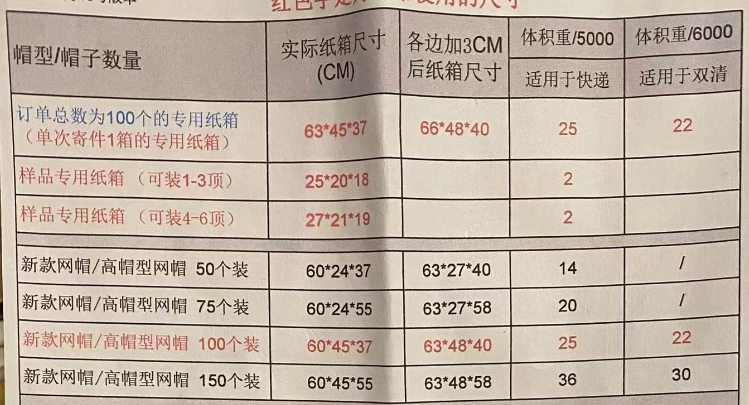
What to ask your manufacturer before you ship
Here’s what we recommend requesting from your supplier before confirming production:
- 📦 Unit weight with and without decoration
- 📦 Bulk carton weight and dimensions
- 📦 Suggested packing density (units per carton)
- 📦 Alternate materials to reduce weight if needed
If your supplier can’t answer these clearly, you risk hidden costs that will hurt your global margins.
We’ve helped brands trim up to 15% off international shipping just by optimizing structure and materials.
Conclusion
Hat weight affects more than feel—it changes your cost, margin, and competitiveness overseas. Small fashion brands can stay profitable by managing grams, not just dollars.
Contact
Anthea Custom Headwear Co., Ltd.
🌐 Visit Website
📧 [email protected]
📱 WhatsApp: +86 18132712127
-
Explore strategies that can help you enhance your profit margins by optimizing shipping. ↩ ↩
-
Learn how weight brackets work to better manage your shipping expenses. ↩
-
Understanding the factors that affect shipping costs can help you optimize your pricing strategy. ↩
-
Understanding the challenges can help you navigate the complexities of global shipping successfully. ↩
-
Discover effective strategies that direct-to-consumer brands implement to minimize shipping expenses. ↩ ↩
-
Explore how optimizing weight can lead to significant savings in shipping costs for your business. ↩
-
Find out how the right packaging can reduce shipping costs and improve your profit margins. ↩ ↩
-
Understanding cost tiers can help you set competitive prices while maintaining profitability. ↩