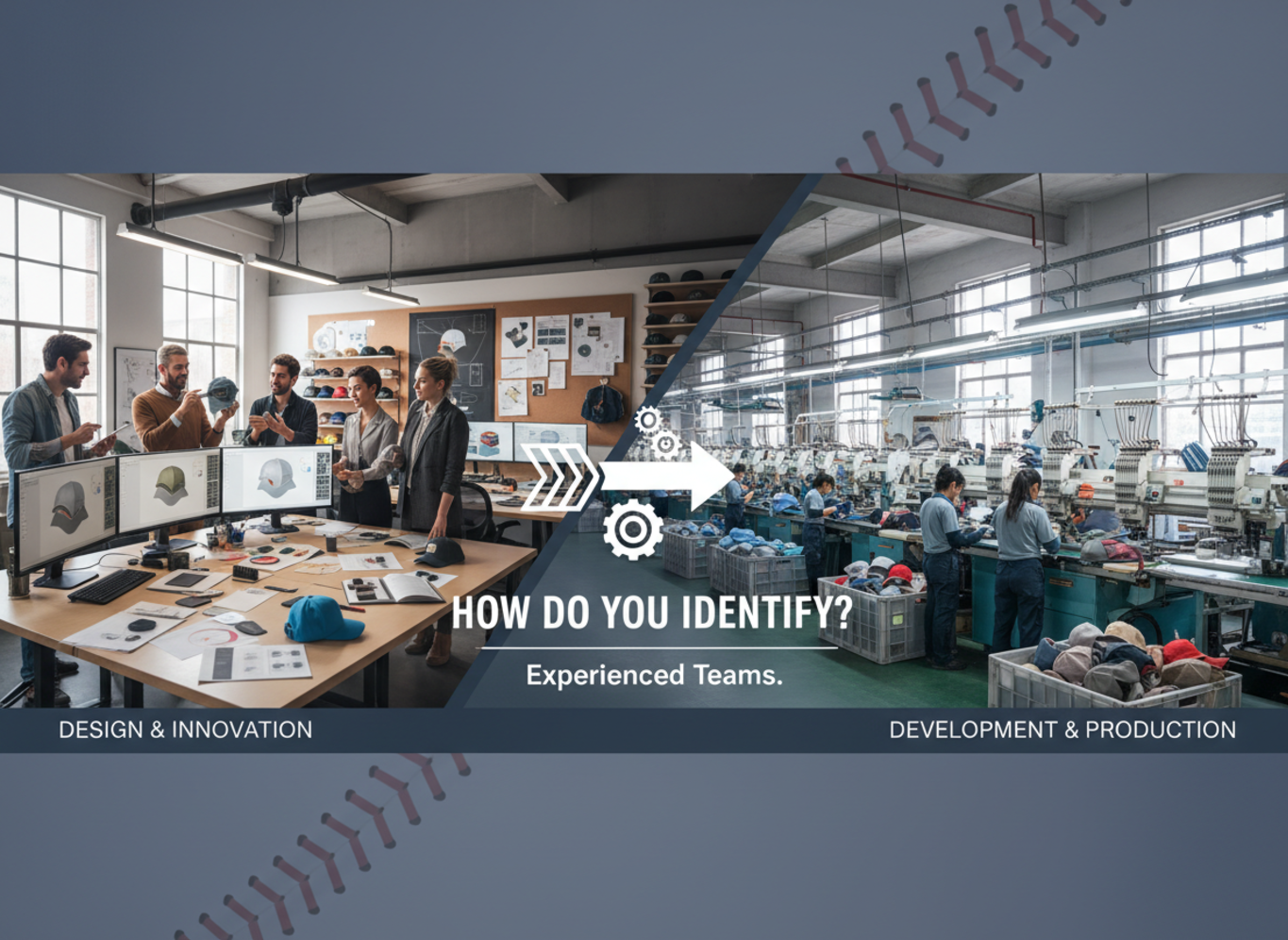
You have a brilliant idea for a hat brand, but you worry that the factory will ruin your vision. Many brand owners face this fear when they start. You need a partner who understands design, not just a place that sews fabric.
To identify if a hat factory has a strong design team, you must check their portfolio for variety1, test their ability to interpret tech packs2, and ask if they offer suggestions on materials and fit3. A capable factory provides digital mockups4 and solves structural problems before production begins5.
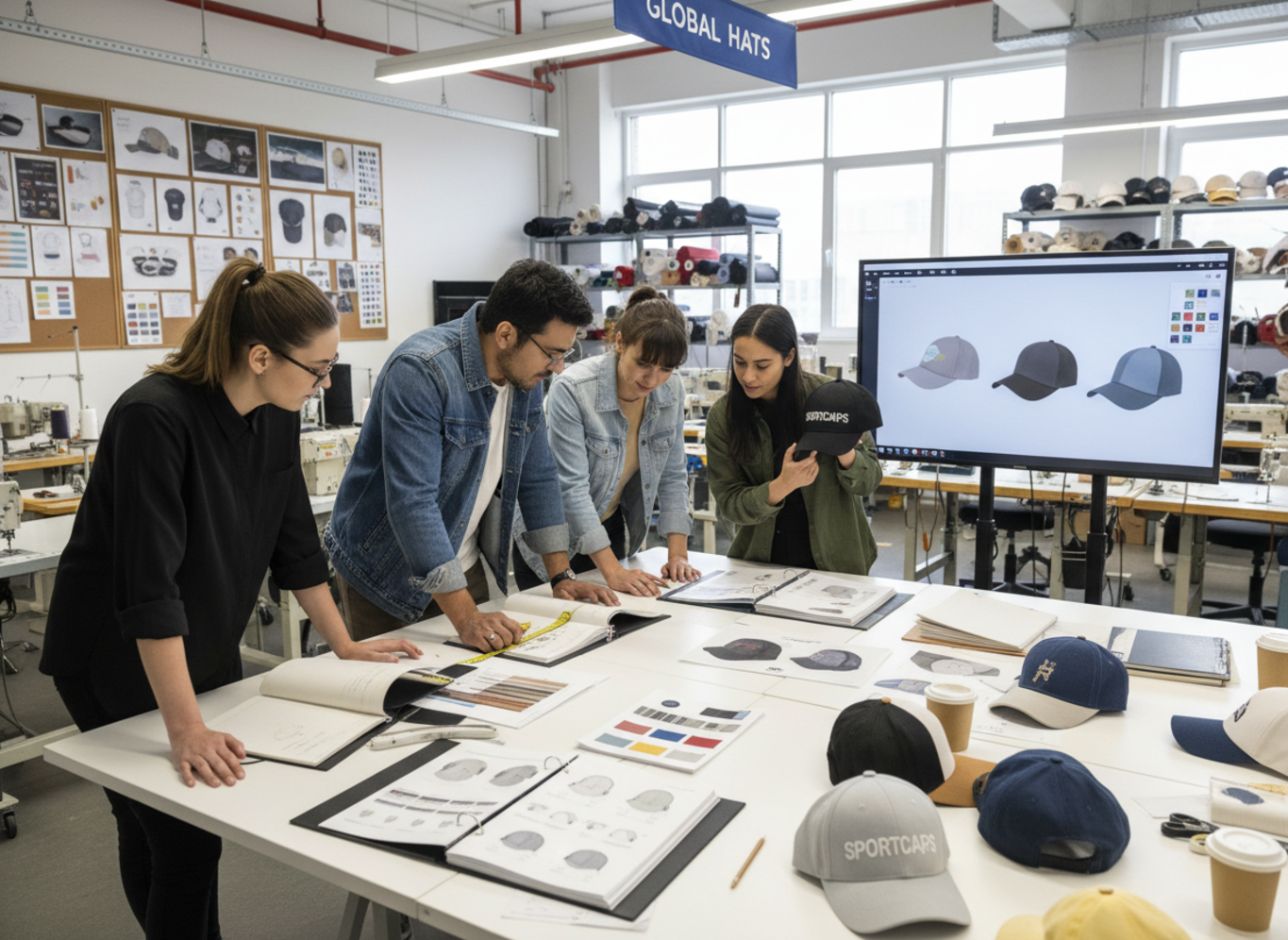
Finding a manufacturer is easy, but finding a creative partner is hard. If you choose the wrong one, you will waste money on samples that look nothing like your drawings. However, if you know what questions to ask, you can find a factory that elevates your brand. Let me show you how to spot the experts.
How do I know if a hat factory has a qualified design team?
It is hard to judge a factory’s skill just by looking at their Alibaba page or website. You see nice photos, but you do not know if they made those designs or just copied the pictures.
To verify a hat factory design team, ask them to show you case studies of recent projects6 where they helped solve a problem. You want to see proof that they can take a rough concept and turn it into a finished product.
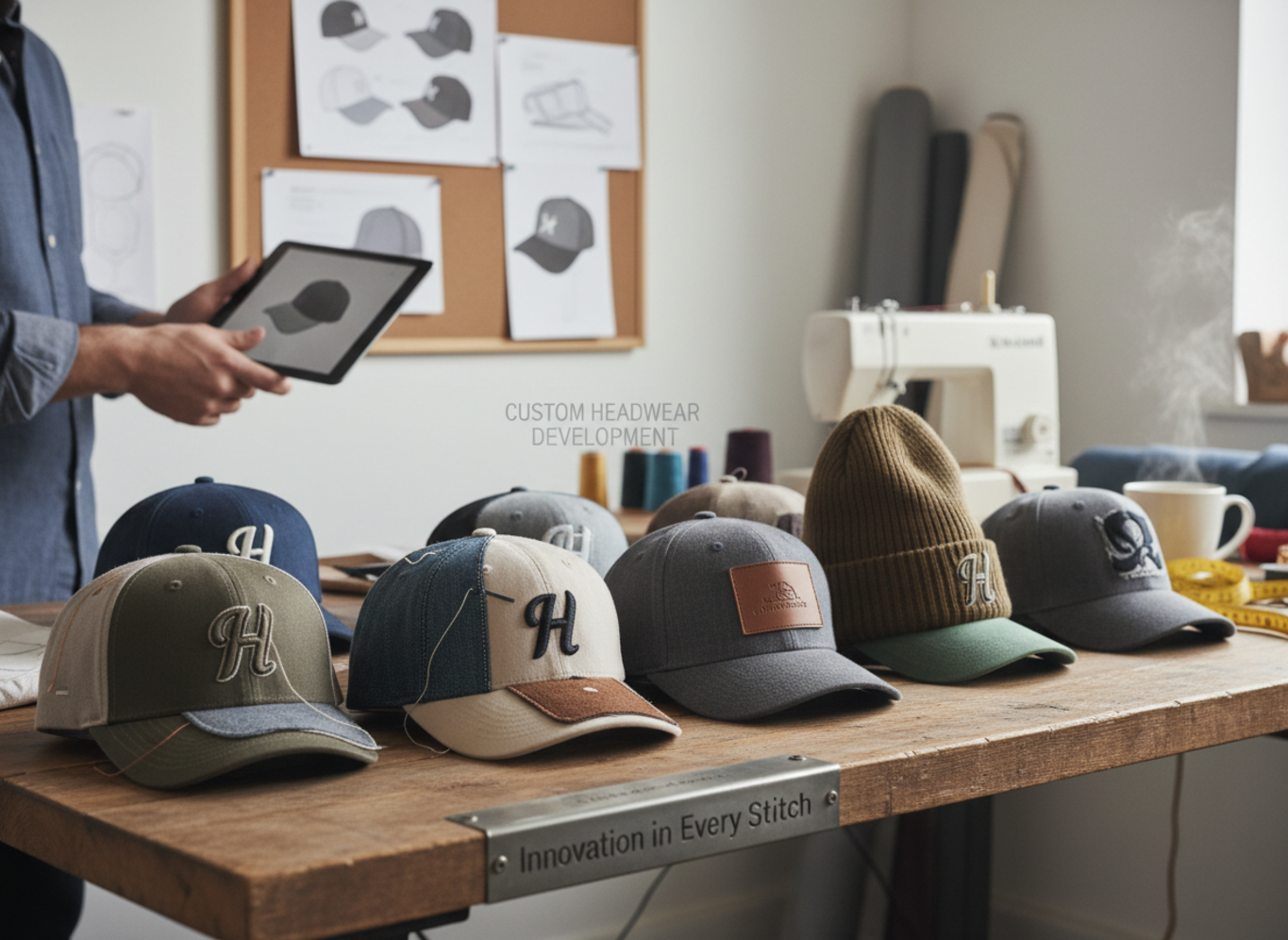
When I talk to new clients at Anthea, I often see them struggle to trust a new supplier. This is normal. To truly understand if a factory has a qualified team, you need to look deeper than the surface. You must analyze their custom headwear development capabilities7. A factory with a real design team does not just say "yes" to everything. They ask questions. If you send a design that is impossible to sew, a good design team will tell you immediately. They will not wait until the sample is finished to show you the mistake.
You can also judge them by the variety in their portfolio. Do they only make one style of trucker hat? or do they show versatility with 5-panel caps, bucket hats, and complex embroidery8? A qualified team understands different structures.
Here is a simple comparison to help you judge:
| Feature | Standard Factory | Design-Led Factory |
|---|---|---|
| Response to Errors | They print the error exactly as you sent it. | They flag the error and suggest a fix9. |
| File Formats | They only accept perfect AI files. | They can work with sketches or rough mockups10. |
| Material Advice | They use whatever is cheapest or closest. | They recommend fabrics that suit the hat’s shape11. |
| Trend Awareness | They rely on old styles. | They know current market trends (e.g., rope hats)12. |
If the factory acts like a robot, they lack design skills. If they act like a consultant, they have a qualified team.
What design services do custom hat manufacturers provide?
Many people think a factory only cuts and sews fabric, but this is a misconception. If you work with a modern manufacturer, you should expect much more support during the pre-production phase.
Hat manufacturing design services13 should include creating digital mockups, sourcing specific fabrics, sizing adjustments, and logo placement advice. These services ensure that your idea works in the real world before you spend money on bulk orders.
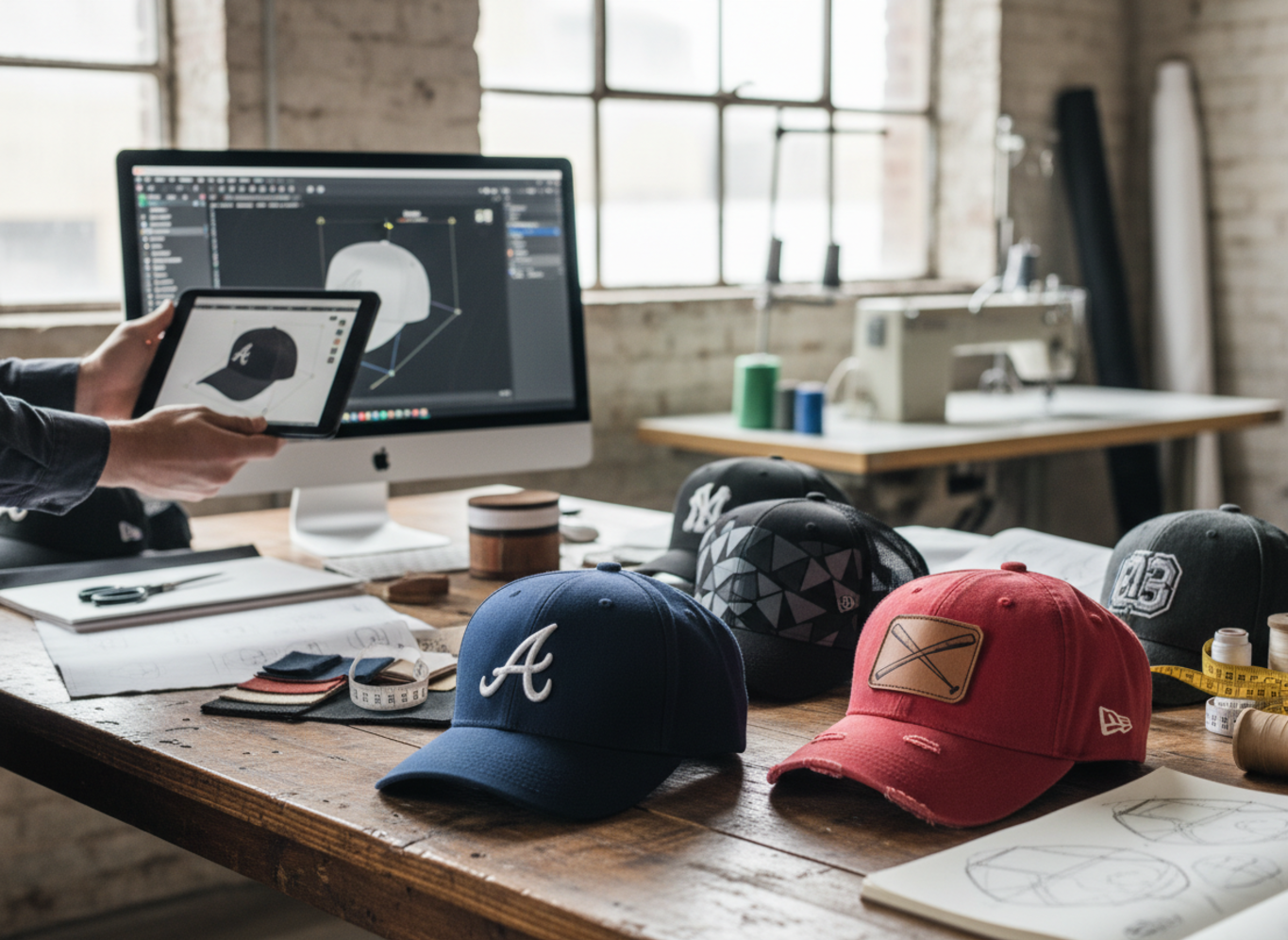
When we work with clients, specifically those building a creative hat factory partnership14, we provide a range of services to make their lives easier. The most basic service is the 2D mockup. You send us a logo and a color code, and our team creates a digital image of the hat. This helps you visualize the final product. However, top-tier factories go further.
We also offer pattern development hat factory15 services. This means we create the physical template for the hat. If you want a fit that is slightly deeper or has a flatter brim than standard, our design team adjusts the paper patterns. We do not just use a generic mold for everyone.
Another crucial service is material sourcing. A designer might say, "I want a vintage look." A factory without a design team will just ask for a fabric code. A factory with a design team will go to the market, find three different washed cotton options, and send you photos to choose from.
Here is a breakdown of services you should look for:
- Visual Proofing16: Converting your logo into a production-ready file.
- Digitizing17: Turning a graphic image into an embroidery file (telling the needle where to go).
- Tech Pack Creation18: If you only have a sketch, the factory helps build the technical specifications.
- Trims Sourcing: Finding the right buckles, sweatbands, and taping to match your brand identity.
How can I evaluate a factory’s development process?
A pretty website does not guarantee a smooth process when you actually place an order. You need to test how the factory handles the steps between your idea and the final sample.
You can evaluate the process by measuring their speed and accuracy during the sampling phase. A good factory provides a timeline for tech pack implementation headwear19 and keeps you updated if there are delays or questions.
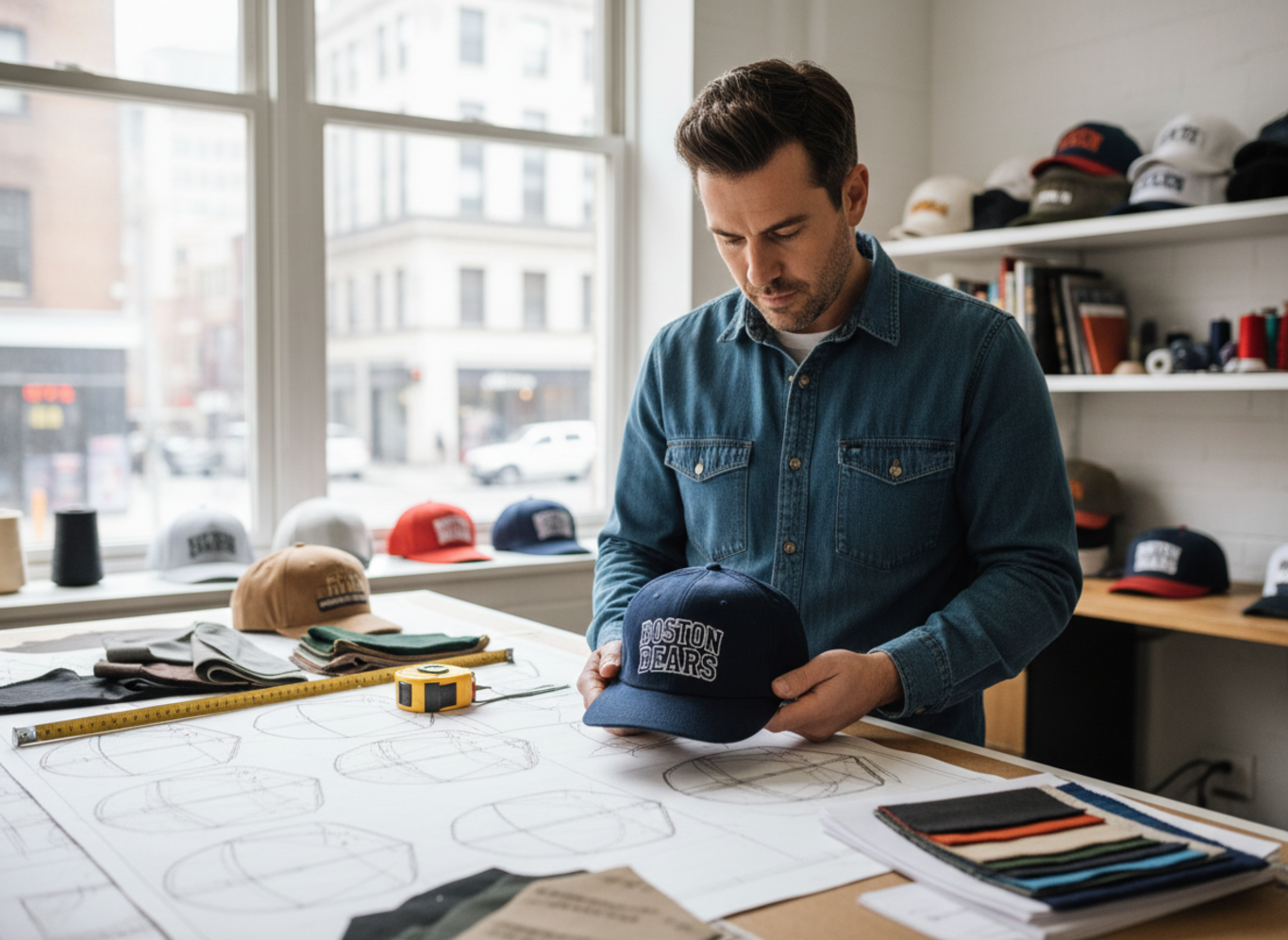
The development process is where the relationship is built or broken. In my experience, the best way to evaluate this is to place a sample order. Do not start with 500 hats. Start with one. Watch how they handle it.
First, look at their intake process. When you send your files, do they confirm the details? A disorganized factory will lose your files or forget to ask about the thread color. A factory with a strong process will review your tech pack and confirm every detail before they cut any fabric.
Second, look at the timeline. At Anthea, we aim for 7-10 days for samples. If a factory takes a month just to make a prototype, their development team is likely overwhelmed or inexperienced. However, speed is not everything. If they rush and send a bad sample, that is worse.
Third, evaluate their communication during the "middle" stage. This is the time between paying for the sample and receiving it. Do they go silent? Or do they send you a picture of the embroidery on a piece of scrap fabric for approval? We often do this to ensure the logo looks right before we sew the whole hat. This step saves time. If a factory does this proactively, it shows they care about the result. They are using critical thinking to avoid mistakes. This is the mark of a mature development process.
What qualifications should the design team have?
You might wonder who is actually sitting behind the computer or the sewing machine at the factory. It is important to know if they have technical training or if they are just guessing.
The design team needs qualifications in CAD design capabilities hats20, pattern making, and textile engineering. They must understand how different fabrics stretch and how embroidery interacts with seams.

A qualified design team is a mix of artists and engineers. It is not enough to just know how to use Photoshop. They need to understand the physics of a hat. For example, I have seen designers try to put a heavy 3D embroidery on a very soft, unstructured nylon hat. A qualified factory team knows this will make the hat collapse. They have the knowledge to suggest a backing material to support the logo.
One key qualification is "digitizing" skill. This is the art of programming the embroidery machine. A bad digitizer will make a logo look messy, with threads connecting letters that should be separate. A qualified digitizer knows how to change the stitch direction to catch the light perfectly.
Another qualification is pattern grading. This is the ability to change the size of the hat without ruining the shape. If you want a hat for kids and a hat for adults with the same design, the team needs to know how to scale the pattern down mathematically.
You should ask the factory: "Do you have in-house pattern makers?" and "Do you do your own digitizing?" If they outsource everything, you lose control over the quality. A team that understands CAD design capabilities hats20 can simulate the product in 3D, which helps identify issues with logo placement relative to the eyelets and seams. This technical knowledge is what separates a premium manufacturer from a budget trading company.
How can I collaborate with a hat factory on creative projects?
Collaboration is a two-way street, and you cannot expect the factory to read your mind. To get the best results, you need to communicate your vision clearly and respect their technical advice.
To collaborate effectively, provide a detailed collaborative hat design process, be open to feedback on manufacturing constraints, and treat the factory as a partner rather than just a servant.
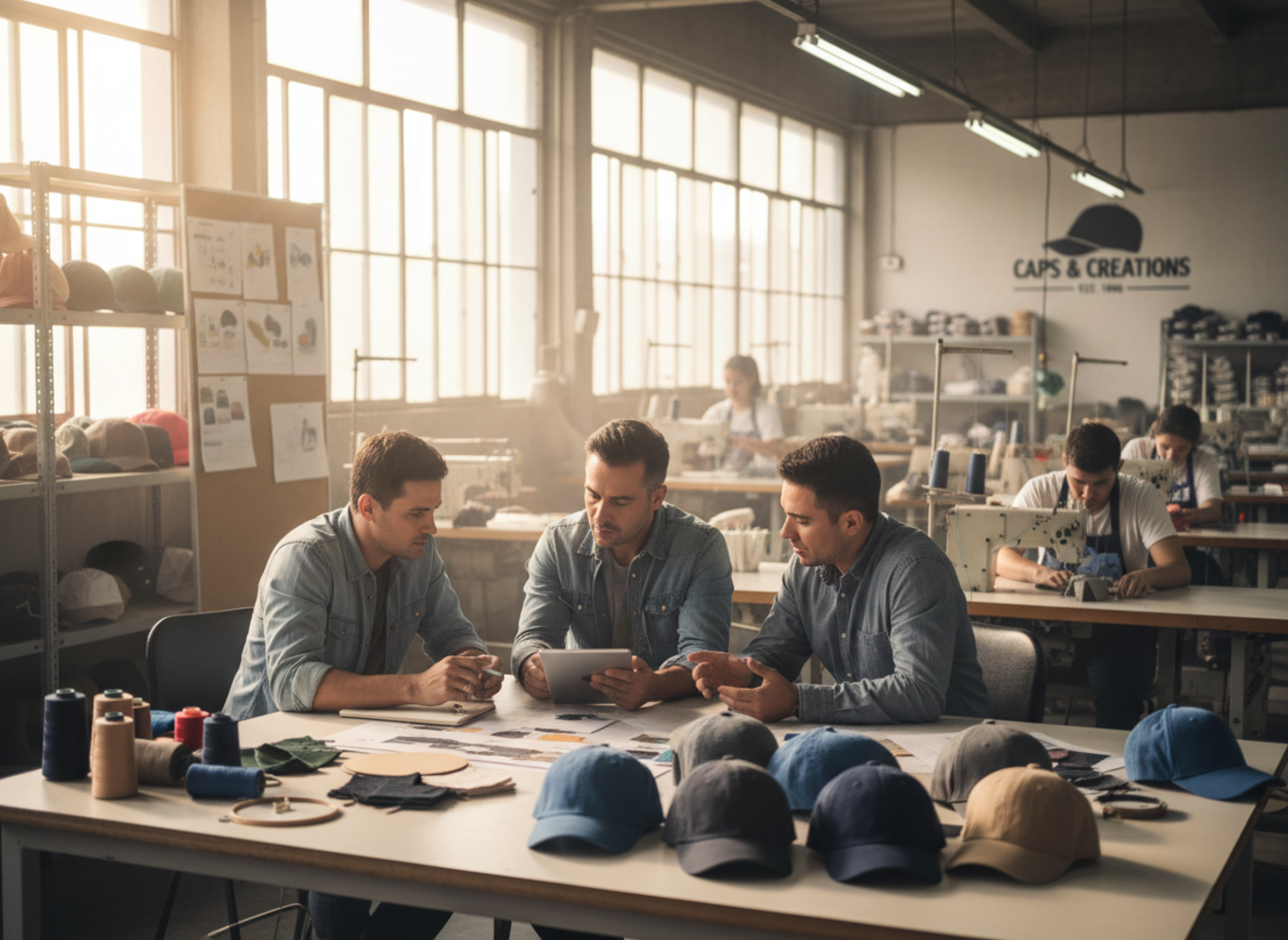
I have worked with many clients, and the most successful projects always come from good communication. When you want to build a collaborative hat design process, you must start with a clear Tech Pack. This is the blueprint for your product. It should include your logo files, your desired colors (Pantone codes are best), the type of fabric, and the type of closure.
If you do not have a Tech Pack, that is okay, but you must be willing to answer questions. When we ask, "Do you want the brim flat or curved?" or "Do you want a sweatband made of cotton or polyester?", please answer quickly. Delays in answers lead to delays in production.
Another part of collaboration is trust. Sometimes, your design might look good on a screen but will not work on a hat. For instance, if you want a tiny text logo that is only 2mm tall, we will tell you it will be unreadable when embroidered. A good collaborator listens to this advice. We want your product to look good because if you sell more, we manufacture more.
Finally, give feedback constructively. If the first sample is not perfect, do not get angry. Explain exactly what is wrong. "The blue is too dark" is better than "I don’t like it." Specific feedback helps the design team correct the course. By treating the factory team with respect and clarity, you unlock their full potential to help your brand grow.
Conclusion
To identify a skilled factory, look for their ability to solve problems, their range of design services, a transparent development process, technical qualifications, and a willingness to collaborate on your vision.
-
Helps you spot real design range vs. copied styles, reducing the risk of choosing a factory that can’t execute your vision. ↩
-
Ensures the factory can convert your specs into correct samples, preventing costly mistakes and back-and-forth revisions. ↩
-
Good recommendations can upgrade comfort and structure, making your hats feel premium and more sellable. ↩
-
Digital mockups let you confirm placement and proportions early, saving time and sample costs. ↩
-
Proactive problem-solving prevents defects and expensive bulk-order failures. ↩
-
Case studies prove real problem-solving and show whether they can turn rough concepts into finished products. ↩
-
Shows whether they can handle unique builds, not just standard caps—key for differentiated brands. ↩
-
Verifies they can manage different structures and decorations—critical if your line spans multiple silhouettes. ↩
-
A factory that corrects issues protects your brand from avoidable sample failures and wasted budget. ↩
-
Ideal for startups—lets you begin without perfect files while still getting production-ready outputs. ↩
-
Fabric choice affects drape, durability, and fit—expert advice improves the final product quality. ↩
-
Trend knowledge helps you design products customers already want, improving sell-through. ↩
-
Clarifies what support you should expect so you can compare factories and avoid under-supported development. ↩
-
A partnership mindset leads to better collaboration, higher-quality outcomes, and fewer production surprises. ↩
-
Pattern development is the foundation of fit—understanding it helps you achieve unique silhouettes reliably. ↩
-
A clear proofing workflow prevents logo/placement errors before costly sampling or bulk runs. ↩
-
Digitizing quality determines clean logos—learning the basics helps you evaluate factories and avoid messy embroidery. ↩
-
A strong tech pack reduces miscommunication and speeds up sampling, saving money and time. ↩
-
Helps you judge process maturity and predict whether timelines and specs will be followed accurately. ↩
-
CAD skills enable accurate patterns and 3D visualization—key for catching placement/structure issues early. ↩ ↩