You want to launch a new collection of women’s trucker hats, but the endless list of fabric options feels overwhelming. If you choose the wrong material, your customers will complain about the fit, the feel, and the style. I will help you navigate these choices to pick the perfect fabrics today.
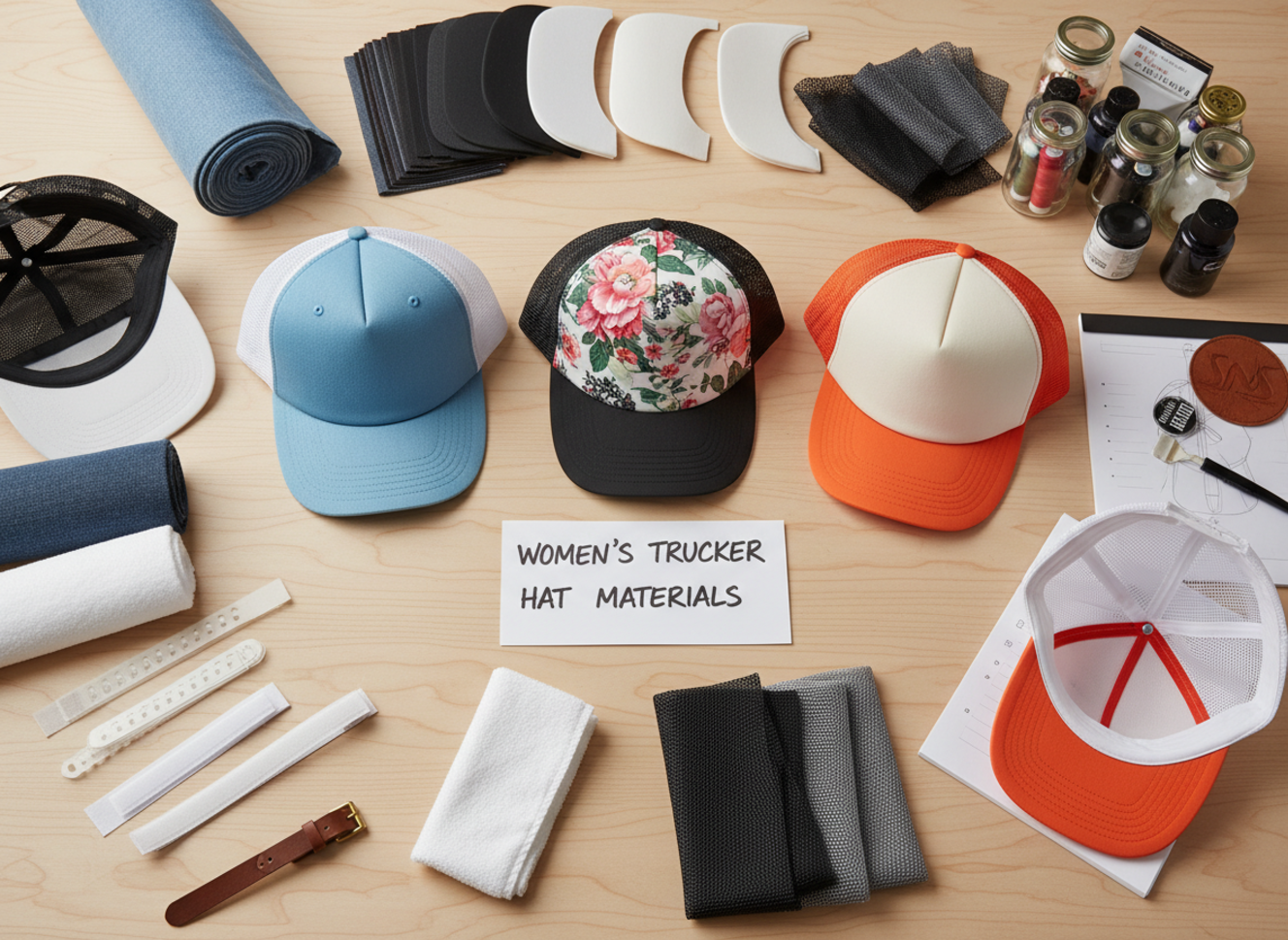
The right materials for women’s trucker hats combine aesthetics with functionality. Typically, this involves using cotton twill1, polyester foam2, or corduroy3 for the front panel to hold shape, while pairing it with soft nylon mesh4 for the back to ensure breathability and comfort during daily wear5.
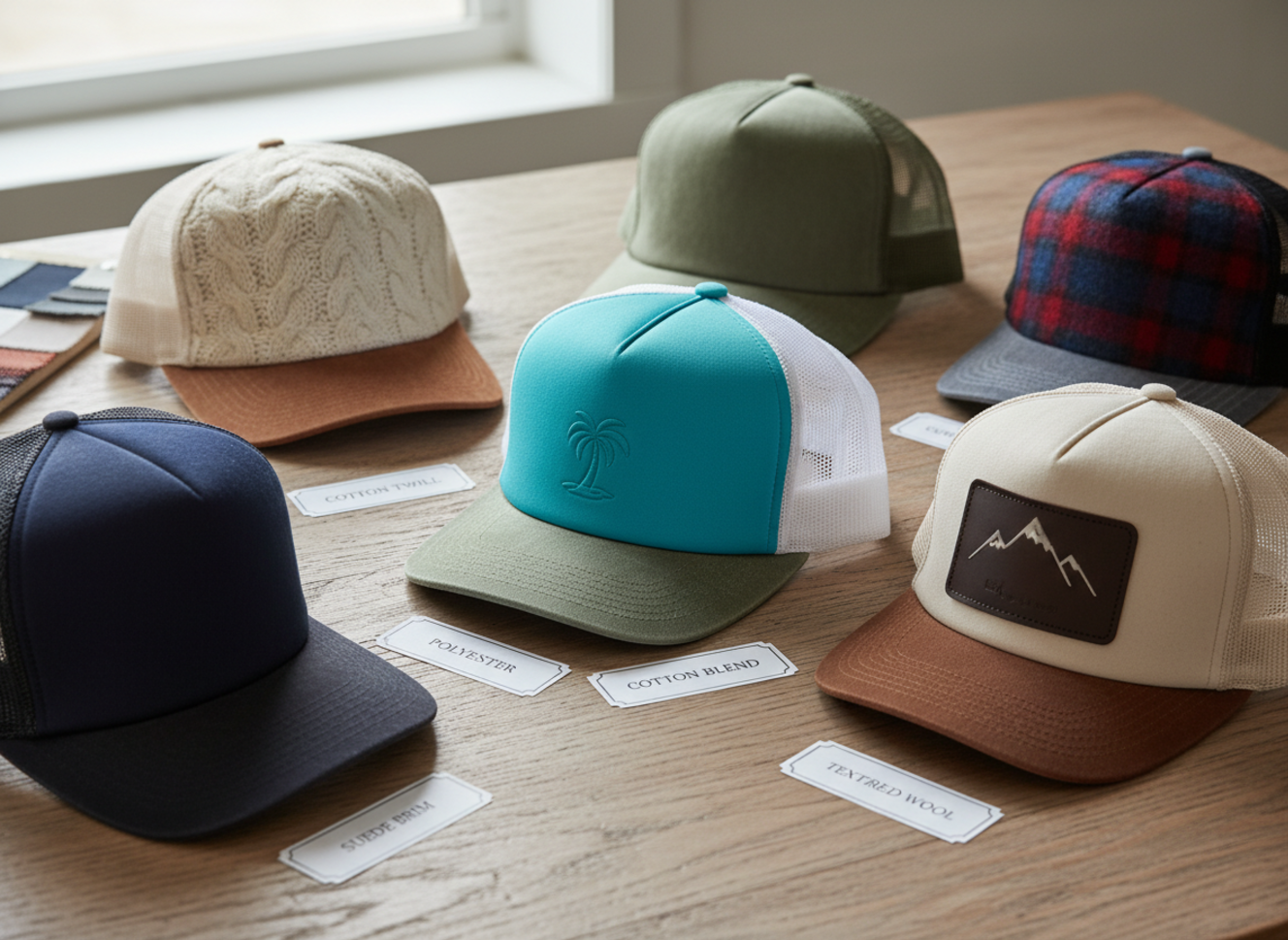
Many brand owners overlook the science behind fabric selection and focus only on the logo design. This is a mistake that can hurt your brand reputation. Let’s look closely at the specific details that make a hat sell out.
What Material Categories Are Common in Women’s Trucker Hats?
You might think all trucker hats are made the same way, but using the wrong category can ruin the silhouette.
The most common categories for women’s trucker hats are foam, cotton twill1, and polyester. Foam provides a classic, high-profile vintage look, while cotton twill1 offers a lower profile and a more premium, durable feel for fashion-forward brands.
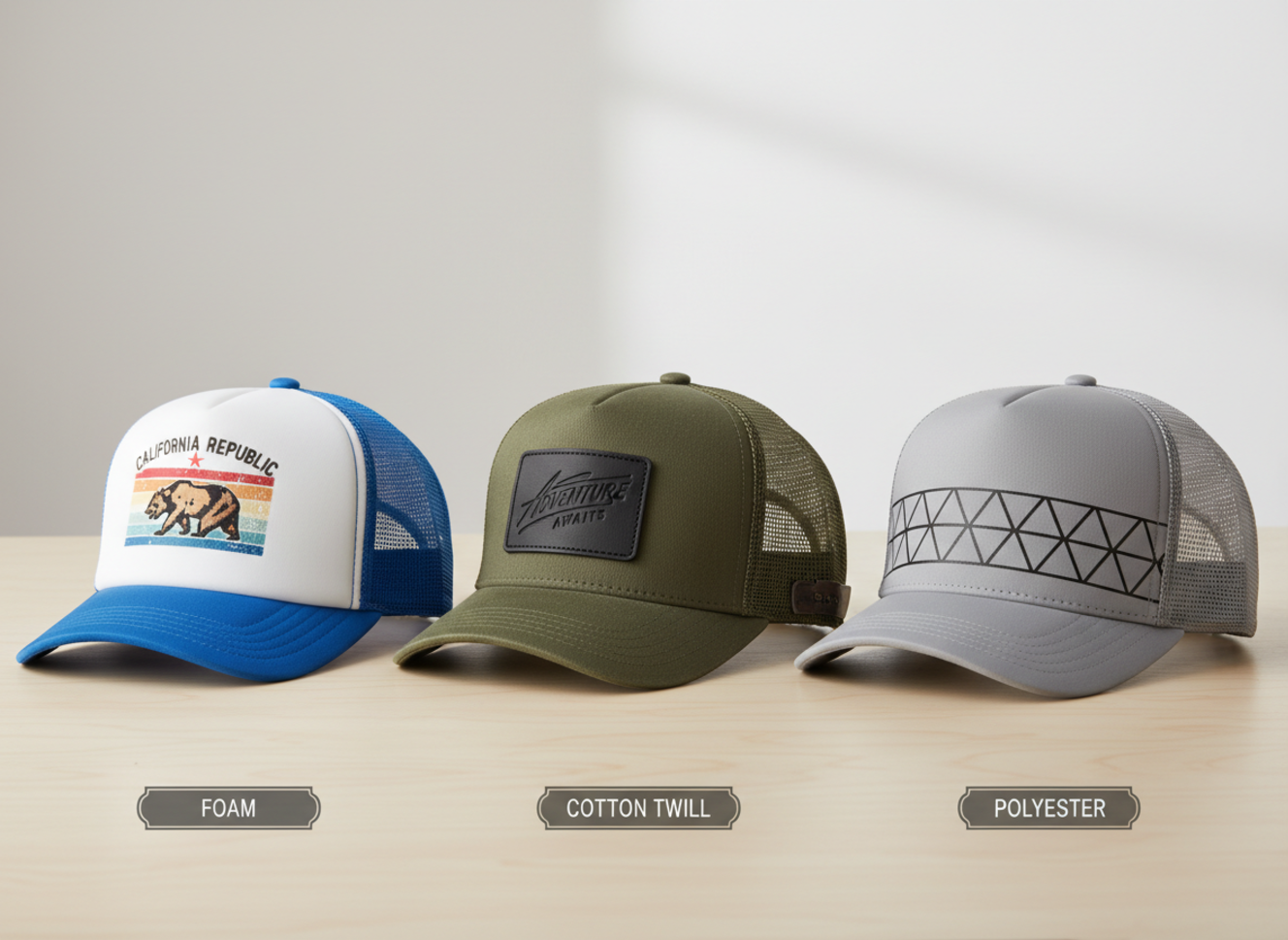
When I work with brand owners like you, I always start by asking about the final look you want to achieve. The material category dictates the shape of the hat. For women’s hats specifically, we often see a split preference between the "structured6" look and the "relaxed7" look.
If you want that classic 1980s vibe, you must use Polyester Foam. This material is thick and spongy. It stands up straight on the forehead. It is perfect for screen printing8 because the surface is smooth. However, it can feel a bit cheaper if not finished correctly.
On the other hand, Cotton Twill is the standard for modern quality. It feels natural and soft. It is better for embroidery9 because the needle goes through the fabric cleanly without sinking in.
Here is a simple breakdown of how these categories compare:
| Material Category | Structure Level | Best Decoration Method | Ideal Style |
|---|---|---|---|
| Polyester Foam | High (Stands up) | Screen Print / Sublimation | Retro / Surf / Event |
| Cotton Twill | Medium (Structured) | 3D Embroidery / Patches | Streetwear / Daily Fashion |
| Polyester Blend | High (Durable) | Rubber Patch / Print | Sport / Outdoor / Uniform |
| Nylon | Low (Unstructured6) | Rope / Flat Embroidery | Dad Hat / Active |
You need to pick the category that matches your brand identity. If you are selling a luxury streetwear item, I suggest cotton. If you are selling a fun, retro beach accessory, go with foam.
How Do Fabric Choices Impact Comfort and Breathability?
Nothing is worse than a hat that makes your head itch or sweat excessively after just ten minutes.
Fabric choices directly impact comfort by determining airflow and skin texture. High-quality soft mesh allows heat to escape quickly, while a cotton or moisture-wicking sweatband10 prevents irritation on the forehead, making the hat wearable for long periods.
I have seen many new brands fail because they tried to save money on the mesh. They use what we call "hard mesh11" or "plastic mesh12." This material is cheap and stiff. When a woman wears it, it can tangle in her hair or scratch her ears. It feels like wearing a plastic cage.
For a women’s specific line, comfort is the number one priority. You should ask your manufacturer for "soft nylon mesh4." This mesh feels like fabric, not plastic. It drapes better around the head. This is important for women because they often have more hair volume than men, and the hat needs to sit comfortably without squeezing.
Another critical factor is the sweatband. This is the part that touches the skin directly.
- Cotton Sweatbands: These are comfortable and absorbent. They are good for casual wear.
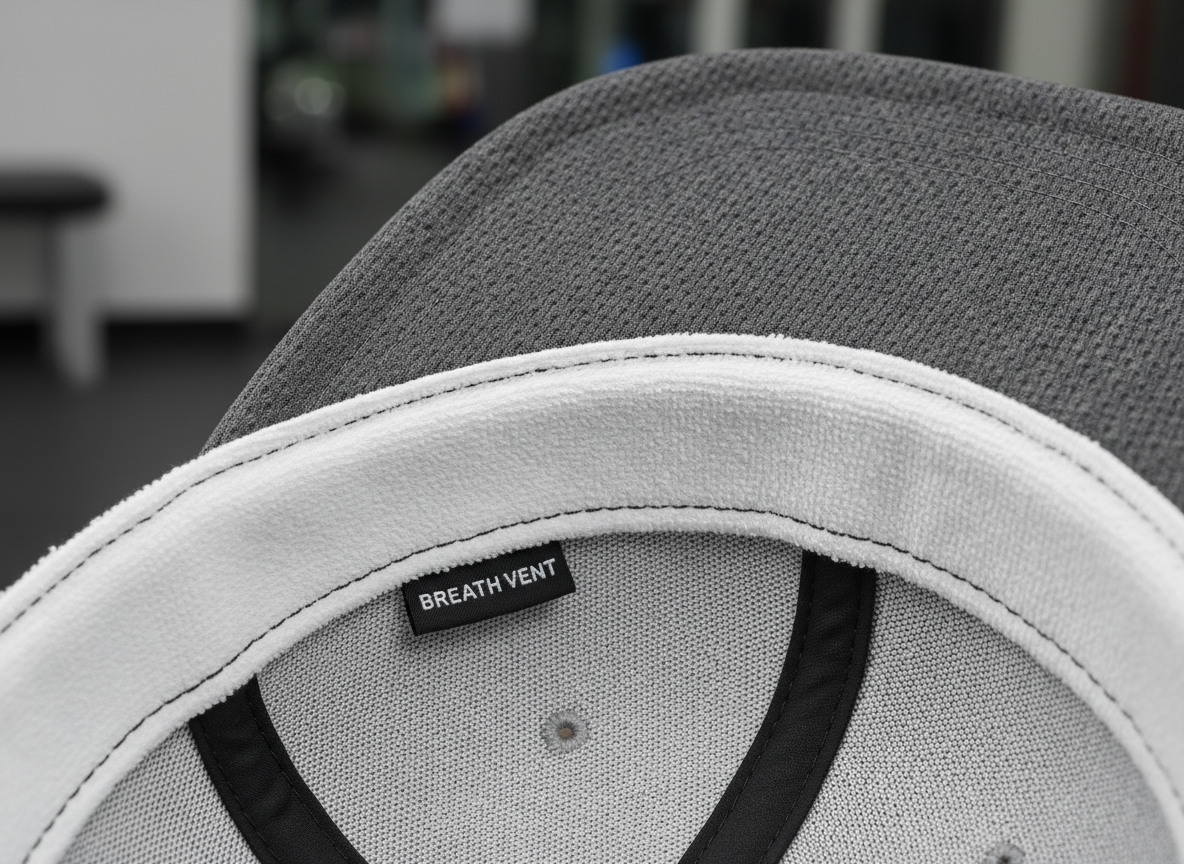
- Dry-Fit (Polyester) Sweatbands13: These do not absorb water; they wick it away. These are better if your customers are active or live in hot climates.
When we design hats at Anthea, we also look at the inner taping14. Rough seams inside the hat can leave marks on the forehead. By choosing smooth taping and soft mesh, you ensure your customer keeps the hat on all day. If the hat is comfortable, they will wear it more often. If they wear it more often, more people see your brand.
What Are the Current Fabric Trends in Fashion Headwear?
You do not want to launch a collection that looks like it belongs in 2015.
The current trends in women’s fashion headwear are moving toward textured and tactile fabrics. Materials like corduroy3, suede, and washed denim15 are replacing standard cotton because they add depth, luxury, and a unique vintage aesthetic to the product.
Fashion moves fast, and headwear is following the apparel trends. Right now, I am seeing a huge demand for "texture." Flat colors are okay, but fabrics that you can feel are much better.
Corduroy is the biggest winner right now. It gives an immediate retro, 1970s feel. It is soft to the touch and looks expensive. I have clients who switched their entire line to corduroy3 fronts with mesh backs, and their sales doubled. It works especially well in earth tones like olive, mustard, and rust.
Suede and Velvet are also appearing more often. These are used for "luxury" trucker hats. You cannot wear these to the gym, but you wear them to a night out or a festival. They catch the light differently than cotton.
Washed Denim or Distressed Cotton is another trend. This involves taking new fabric and washing it with stones or enzymes to make it look old. This "dad hat" vibe applied to a trucker shape is very popular with female demographics. It looks lived-in and casual immediately.
When you select a trendy fabric, you must consider the decoration.
- Corduroy: Avoid small text. The ribs of the fabric hide small details. Use big, bold patches.
- Suede: Use laser etching or metal badges. Ink does not print well on suede.
- Denim: White embroidery9 looks classic and pops against the blue indigo.
Which Materials Perform Best in Hot Weather and Outdoor Use?
If your customers are hikers, runners, or beachgoers, a heavy cotton hat will get wet and stay wet.
For hot weather and outdoor activities, lightweight nylon16 and performance polyester are the best choices. These materials are water-resistant, dry quickly, and often come with UV protection17, keeping the user cool and protecting the hat from sweat stains.
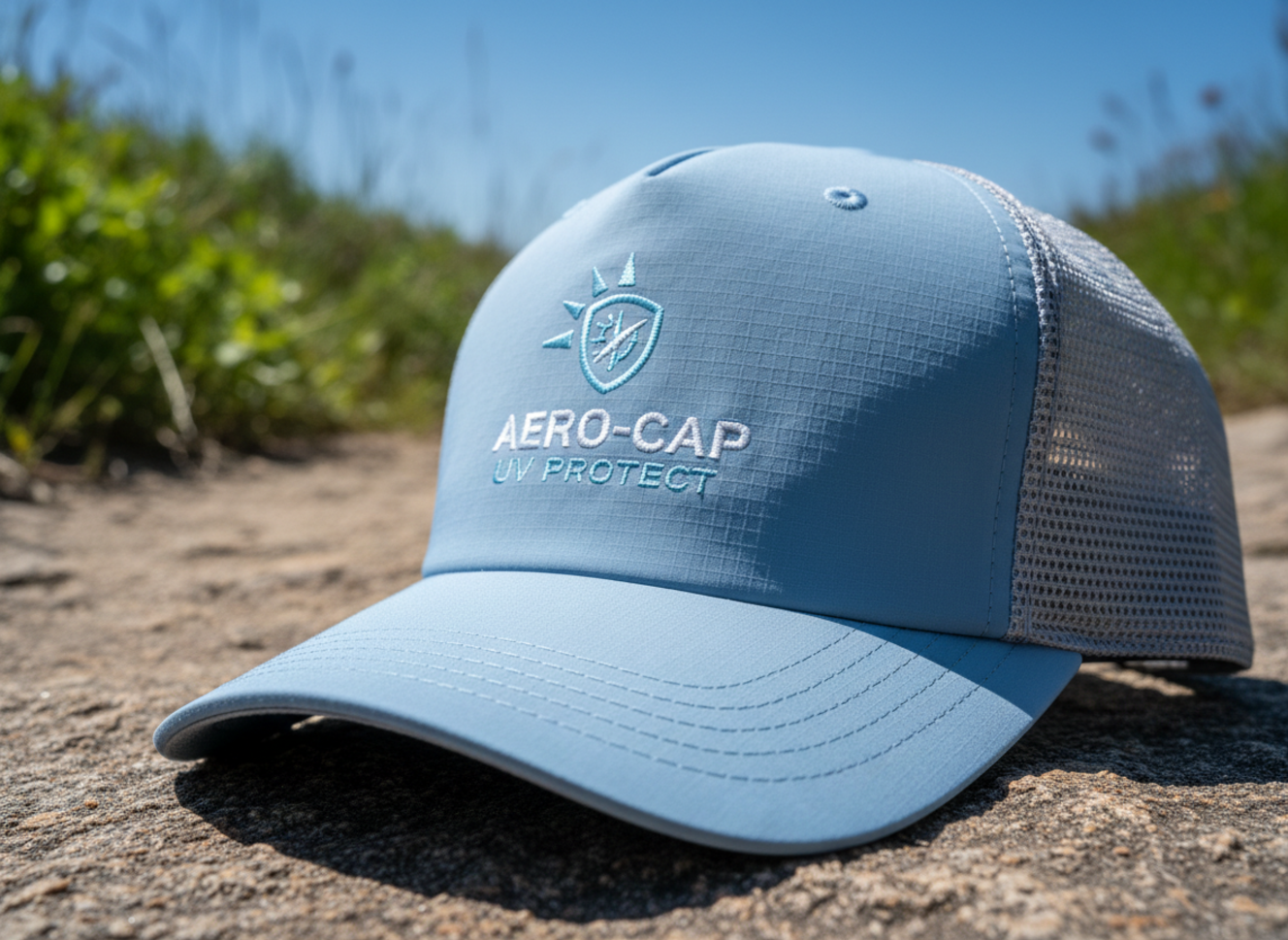
I often work with brands that target the "active lifestyle" market. These customers want a hat that looks good on Instagram but works during a 5k run. Cotton is the enemy here. Cotton absorbs sweat like a sponge. It gets heavy, it smells, and eventually, the salt from sweat leaves white stains that ruin the color.
The solution is Performance Nylon. You might see this called "taslan" or "ripstop."
- Lightweight: It feels like nothing on your head.
- Water Repellent: Light rain or sweat beads up and rolls off.
- Cooling: It does not trap heat like foam does.
We also use Laser-Cut Perforations instead of traditional mesh for some modern trucker styles. Instead of a sewn mesh back, we use the same nylon fabric for the whole hat but cut hundreds of tiny holes in the back panels with a laser. This looks very sleek and modern. It provides airflow without the "trucker" look that some people dislike.
For the visor, we can use a plastic core that floats. This is great for surf brands. If the hat falls in the ocean, it does not sink. When you choose outdoor materials, you are selling a tool, not just a fashion accessory. Your marketing should highlight these features. Tell your customers: "This hat floats," or "This hat dries in 5 minutes."
How Can You Source Sustainable and Stylish Hat Materials?
Your customers care about the planet, and they will ask you where your products come from.
You can source sustainable materials by requesting certified organic cotton18 or Recycled PET (RPET) polyester19. These fabrics mimic the feel and performance of traditional materials but allow your brand to market a story of environmental responsibility and ethical production.
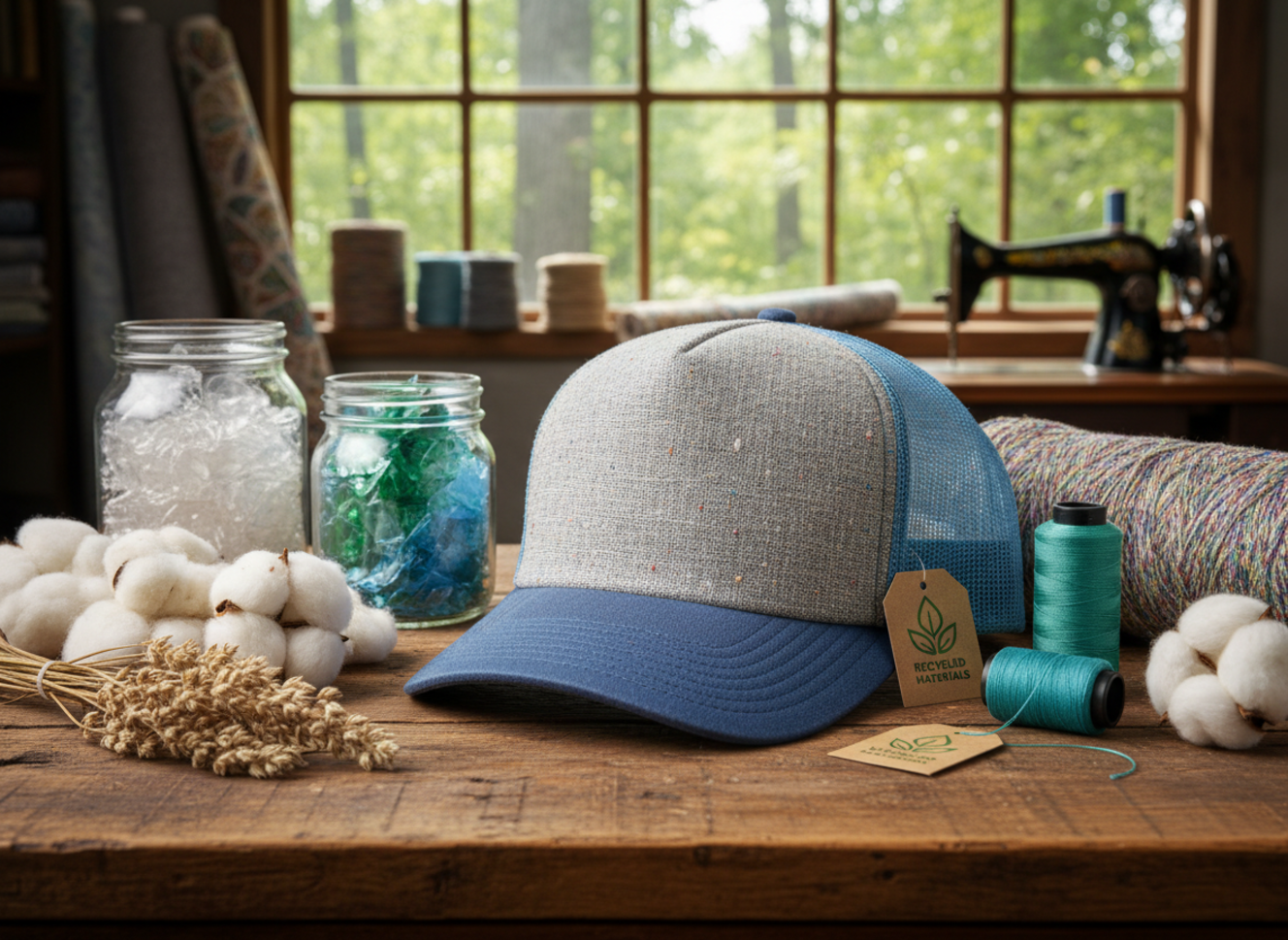
Sustainability is no longer a niche; it is a requirement for many buyers. In the past, "eco-friendly" fabric felt rough and looked boring. That is not true anymore. The technology has improved massively.
RPET (Recycled Polyethylene Terephthalate) is made from recycled plastic water bottles. We can turn these bottles into the mesh for the back of the hat or the fabric for the front. It feels almost exactly like virgin polyester. I have sent samples to clients, and they could not tell the difference until I showed them the label.
Organic Cotton is another strong option. It is grown without harmful chemicals. It feels softer than standard cotton. It is safer for the farmers and better for the soil.
When you choose these materials, you must get the paperwork. At Anthea, we provide certifications to prove the material is real. This allows you to put a special tag on your hat. You can say, "This hat removed 3 plastic bottles from the ocean."
Here is a quick cost-benefit analysis I share with my clients:
- Cost: Sustainable materials might add $0.50 to $1.00 per hat.
- Benefit: You can sell the hat for $5.00 more because it has a story.
- Loyalty: Customers feel good about buying from you and return.
Do not be afraid to ask your manufacturer for these options. If they say they cannot do it, they are behind the times. We do this every day.
What Material Combinations Create the Best Customer Experience?
The magic happens when you mix different textures and materials in one single product.
The best customer experience often comes from a hybrid approach, such as pairing a structured6 cotton front with a super-soft mesh back and a moisture-wicking sweatband10. This combination offers the visual appeal of a structured6 hat with the all-day wearability of athletic gear.
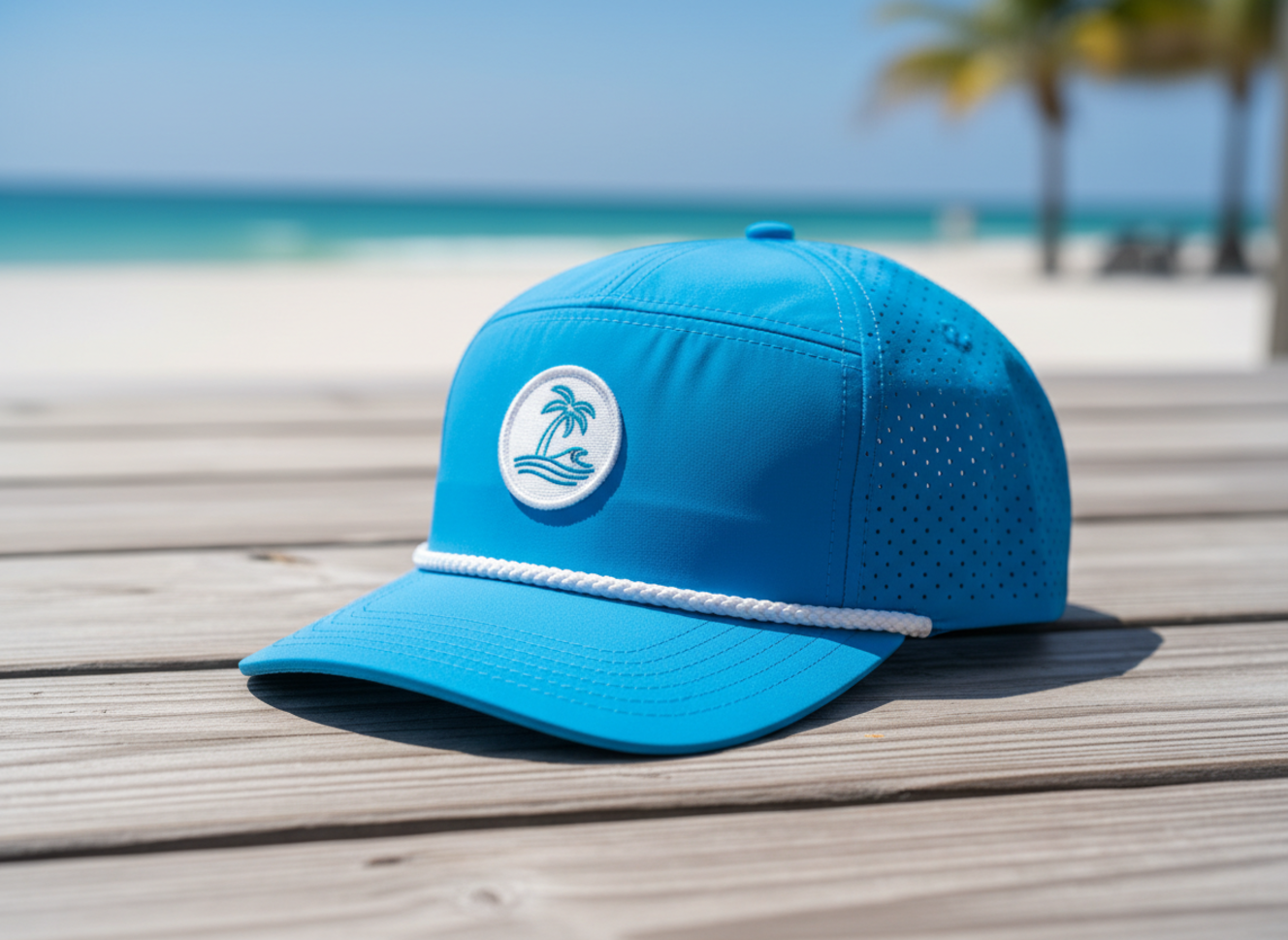
Designing a hat is like cooking. You need the right mix of ingredients. You rarely want a hat made of just one thing. The best-selling hats in the world are hybrids. They take the best parts of different categories and put them together.
Here are three "Winning Combinations" I recommend for women’s lines:
1. The "Luxe-Trucker"
- Front: Suede or Velvet (Texture and richness).
- Back: Fine, soft mesh (Color-matched to the front).
- Closure: Leather strap with a brass buckle (Instead of the plastic snap).
- Why it works: It elevates the trucker hat from "gas station promo" to "boutique fashion."
2. The "Daily Driver"
- Front: Peach-skin Cotton Twill (Brushed for softness).
- Back: Traditional soft nylon mesh4 (White or off-white for contrast).
- Sweatband: Dry-Fit material.
- Why it works: It looks classic but handles sweat well. It is soft to the touch immediately, requiring no "break-in" time.
3. The "Summer Sport"
- Front: Water-resistant Nylon.
- Back: Laser-cut perforated Nylon (No mesh).
- Visor: Rope decoration across the brim.
- Why it works: It hits the "rope hat" trend while being functional for the beach or pool.
When you combine materials, you must check the color matching. Dyeing cotton is different from dyeing polyester. Sometimes the blacks or navies can look different on the two fabrics. A good manufacturer will adjust the dye formulas to ensure the front and back match perfectly, or they will suggest a contrasting color scheme to hide the slight difference.
Conclusion
Choosing the right materials determines if your women’s trucker hats become daily favorites or return items. You must balance style, comfort, and function. If you are ready to build a high-quality hat collection, contact me at Anthea, and we will send you the perfect fabric samples.
-
Learn durability, feel, and care details to confirm cotton twill is the right premium choice for your hat fronts. ↩ ↩ ↩
-
Understand structure, print performance, and how to avoid a “cheap” feel with the right finishing specs. ↩
-
See how wale size affects embroidery/patch clarity and get styling guidance for today’s textured headwear trend. ↩ ↩ ↩
-
Helps you choose a mesh that won’t scratch, tangle hair, or ruin comfort—key for women’s fit and wearability. ↩ ↩ ↩
-
Compare airflow and skin-contact fabrics so you can reduce complaints about sweating, itchiness, and irritation. ↩
-
Clarifies construction and materials that keep a crisp silhouette—useful for matching the hat shape to your brand. ↩ ↩ ↩ ↩
-
Find fabric and build options that create a softer profile customers associate with comfort and casual style. ↩
-
Avoid cracking/poor adhesion by learning which hat fabrics and panel builds produce the cleanest prints. ↩
-
Get guidance on needle penetration, stability, and stitch quality so your logos look premium and consistent. ↩ ↩
-
Helps you choose sweatbands that reduce forehead irritation and sweat stains—critical for all-day wear. ↩ ↩
-
Understand the comfort pitfalls (scratchiness, stiffness) that cause returns—so you can spec better materials. ↩
-
Learn when it’s used, how it feels, and alternatives that elevate perceived quality for women’s headwear lines. ↩
-
Compare wicking vs absorbency so you can pick the right sweatband for active customers and hot climates. ↩
-
Shows how seam finishing prevents forehead marks and scratchiness—small detail that strongly impacts reviews. ↩
-
Learn wash processes and decoration tips to achieve the vintage look without compromising structure or colorfastness. ↩
-
Understand dry time, water resistance, and comfort so you can confidently market performance benefits. ↩
-
Learn what “UV protection” really means (UPF, testing) to make credible claims and protect customers outdoors. ↩
-
Helps you verify authenticity with the right paperwork—protecting your brand from greenwashing concerns. ↩
-
Get material facts and sustainability proof points to support marketing claims and meet eco-minded buyer expectations. ↩