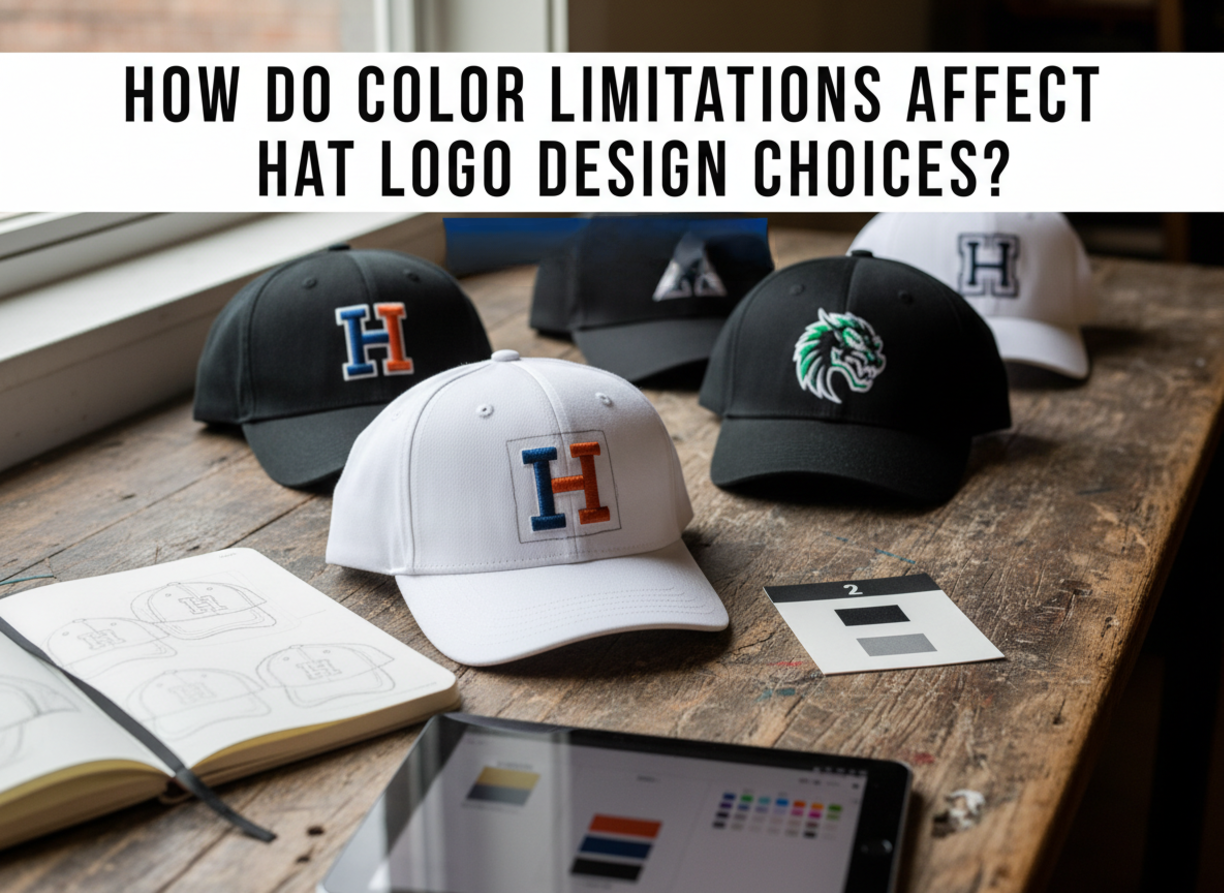
Many designers create great-looking hat logos on screen but face disappointment when they reach production. Embroidery machines can’t handle every shade or gradient. The result is costly revisions or dull, mismatched colors. Understanding hat logo color limitations1 helps keep your brand consistent and your costs under control.
Color limitations in hat logo design come from embroidery thread constraints2 and machine capabilities. Most embroidery allows 6–8 colors per design, with solid tones only — no gradients. Using high-contrast combinations and simplified palettes keeps logos readable, cost-efficient, and true to brand standards. Pantone matching3 and sampling ensure accurate results across production runs.
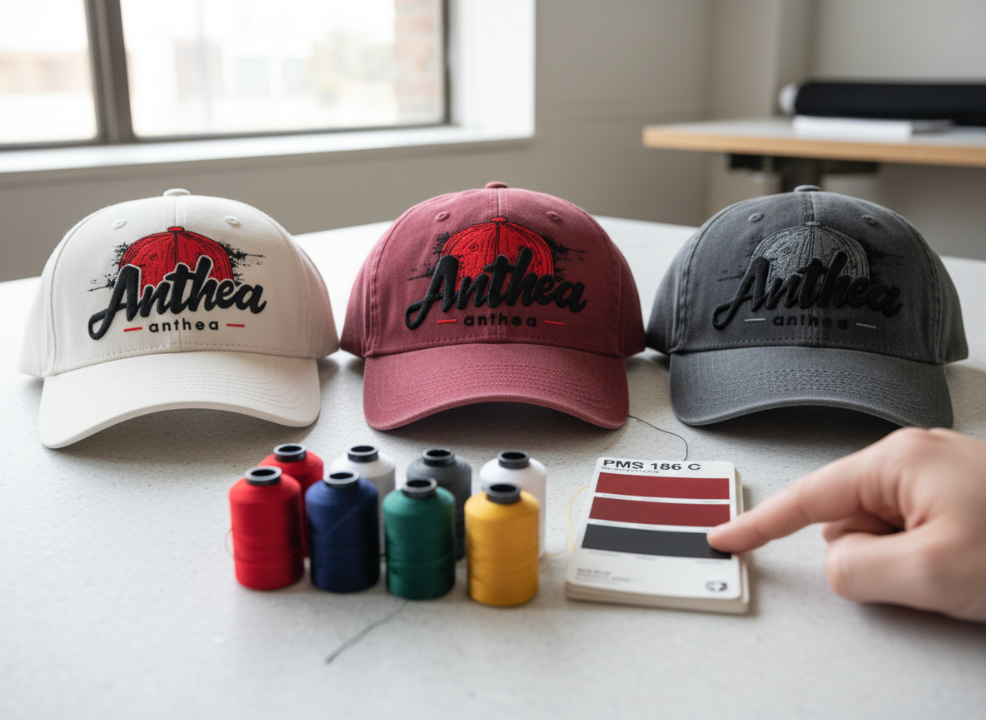
When I began managing design projects for headwear brands, I learned that thread color choices4 often define how premium the final product looks. Let’s explore how color limitations shape design decisions and how to work around them.
How many colors can you embroider on a hat?
I once worked on a corporate cap design that had nine colors in its logo. The factory could only stitch six. We had to merge similar shades, and the simplified version actually looked sharper.
Most embroidery machines support between six and eight thread colors per design. Each additional color requires a new thread spool and machine change, increasing setup time and cost.
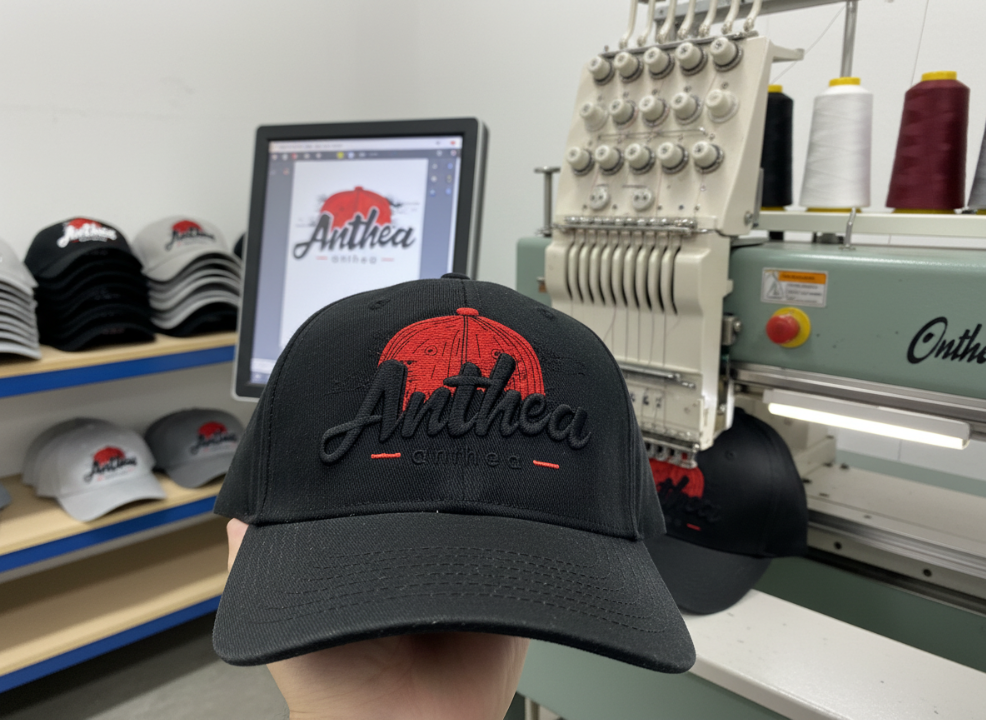
Embroidery machines load multiple spools at once, but every color change pauses production for threading and alignment. That’s why brands often limit colors, especially for large runs. Keeping designs under six colors reduces risk and ensures visual balance.
Color Capacity by Embroidery Type
| Embroidery Type | Typical Color Limit | Best For | Notes |
|---|---|---|---|
| Flat Embroidery | 6–8 colors | Corporate and team hats | Smooth and crisp texture |
| 3D Puff5 | 3–5 colors | Streetwear or sports caps | Limited color due to foam depth |
| Appliqué | 2–3 colors | Luxury branding | Combines fabric patches with stitching |
| Chain Stitch | 1–2 colors | Vintage styles | Emphasizes simplicity and contrast |
Choosing fewer, stronger colors makes your hat designs look cleaner and more professional.
How do color restrictions influence design decisions6?
Many creative directors worry that simplifying colors will weaken their brand identity. In my experience, it actually strengthens it. Simple logos translate better across all materials.
Embroidery cannot blend shades or produce gradients. Designers must use solid, clearly defined colors with enough contrast to stand out on the hat fabric.
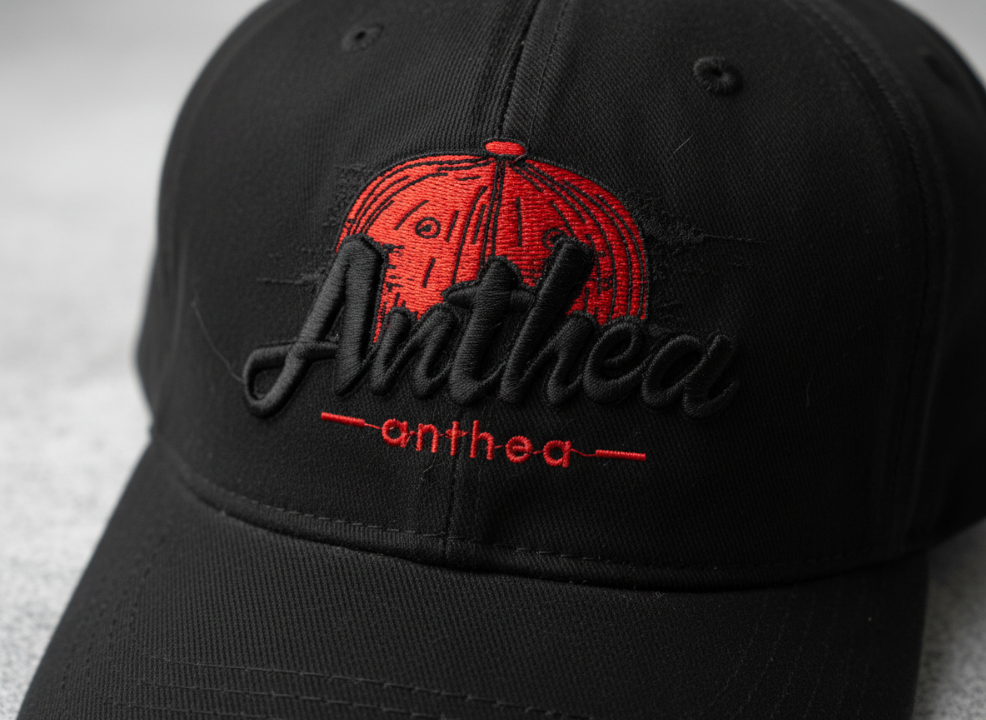
The hat’s base color matters too. A dark navy logo on a black cap disappears, while white or metallic thread gives contrast and clarity.
Before production, I always preview logos on the hat color mockup. Seeing the design in context prevents color clash or visual fade.
Design Adjustments to Handle Color Limits
| Problem | Solution | Result |
|---|---|---|
| Logo has gradients | Replace with solid tones | Better stitching accuracy |
| Too many colors | Merge similar shades | Lower cost and clearer logo |
| Low contrast | Use complementary thread colors | Enhanced visibility |
| Complex background | Simplify hat base color | Focus remains on the logo |
When you design within these limits, your hats look intentional, not improvised.
What are the alternatives when you need more colors?
Sometimes a brand requires more colors — like a full photographic image or gradient logo. In that case, embroidery isn’t the only option.
Printing methods like heat transfer, sublimation7, or screen printing allow unlimited colors and gradients. These options work well for detailed or multi-tone designs where embroidery isn’t practical.
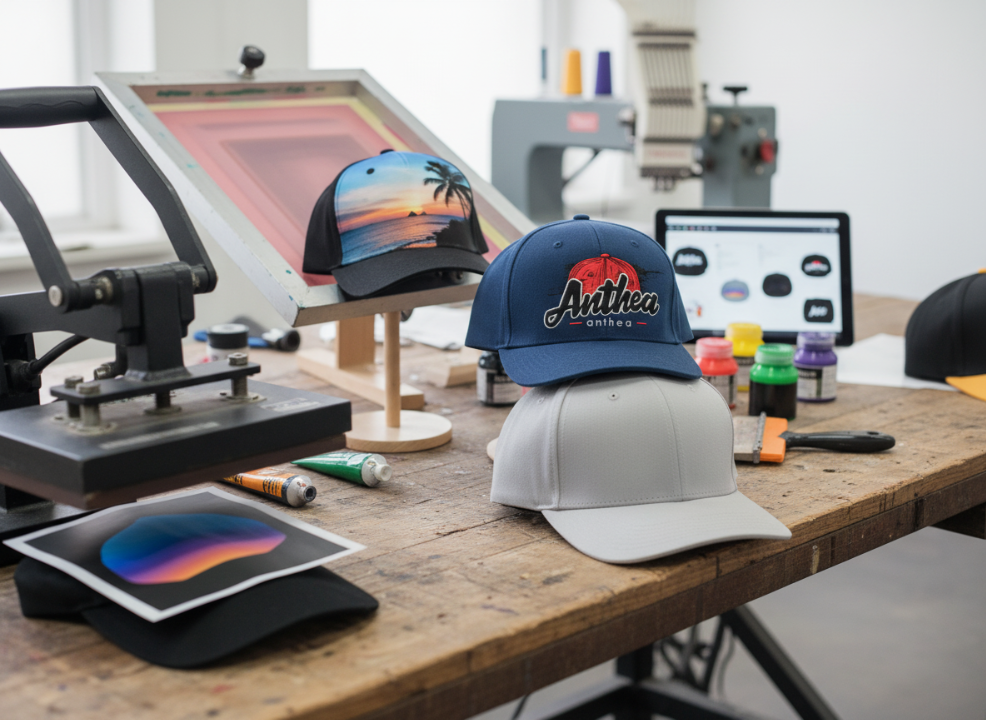
I once guided a music label that wanted an album cover printed on trucker caps. Embroidery couldn’t capture the details, so we switched to sublimation7. The results were bright, precise, and fast to produce.
Printing Alternatives for Complex Logos
| Printing Method | Color Capability | Texture | Durability |
|---|---|---|---|
| Heat Transfer | Unlimited | Smooth | Medium |
| Sublimation | Unlimited | Matte | High on polyester hats |
| Screen Printing | Up to 10 colors | Flat | Excellent for large orders |
| Digital Print | Full color | Gloss or matte | Great for promotional runs |
When visual complexity is essential, printing methods8 keep brand color fidelity without embroidery restrictions.
How does color matching work in hat production?
Color matching can make or break a hat design. Even one shade off can change the entire mood of a logo. I’ve seen brands delay production for weeks over one thread not matching their Pantone guide.
Hat manufacturers use Pantone or thread color charts to match brand colors as closely as possible. Each thread color is tested through sampling before full production begins.
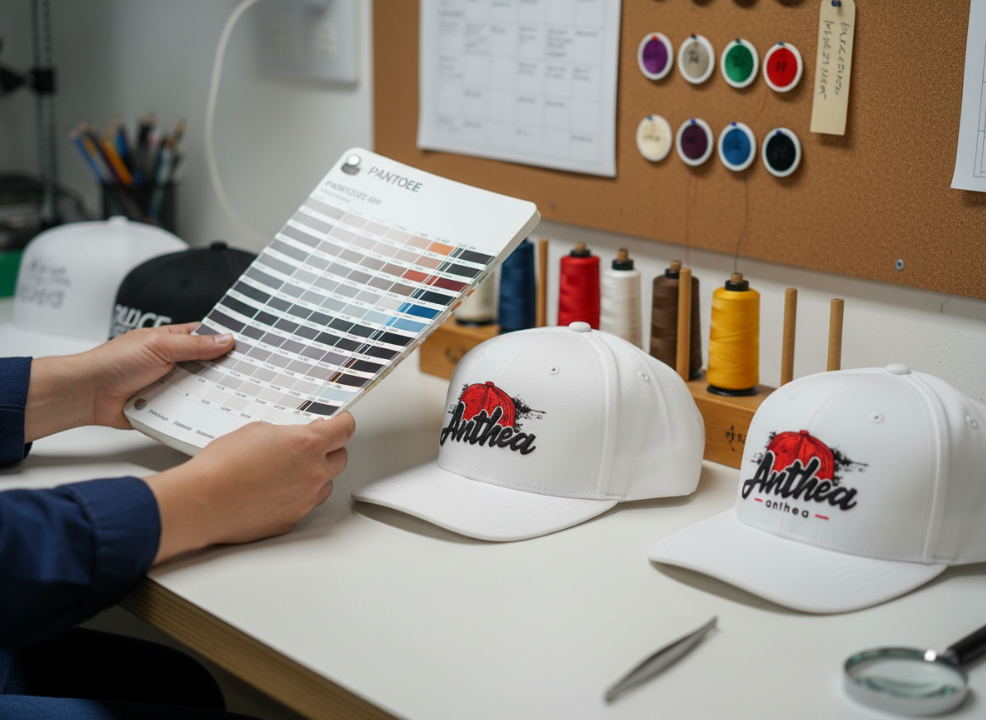
Embroidery thread libraries, like Madeira and Isacord, offer hundreds of standard shades. But perfect matches to digital Pantone colors aren’t always possible. Sampling ensures the closest achievable tone.
Color Matching Workflow
| Step | Process | Outcome |
|---|---|---|
| 1. Provide Pantone codes | Designer sends official brand palette | Factory references thread library |
| 2. Thread Selection | Choose closest match | Visual sample approval |
| 3. Stitch Test | Produce embroidery sample | Evaluate under different lighting |
| 4. Client Confirmation | Confirm shade before production | Guarantees consistent output |
Color accuracy depends on lighting, fabric texture, and thread sheen, so physical samples always beat digital previews.
How do color counts affect production costs9?
Many brands don’t realize that every added color adds labor time and thread use. When I quoted a seven-color hat design once, the client was shocked by the price jump.
Each additional thread color increases setup time, stitch count, and per-piece cost. Simplifying your palette reduces expenses while keeping logos sharp and professional.
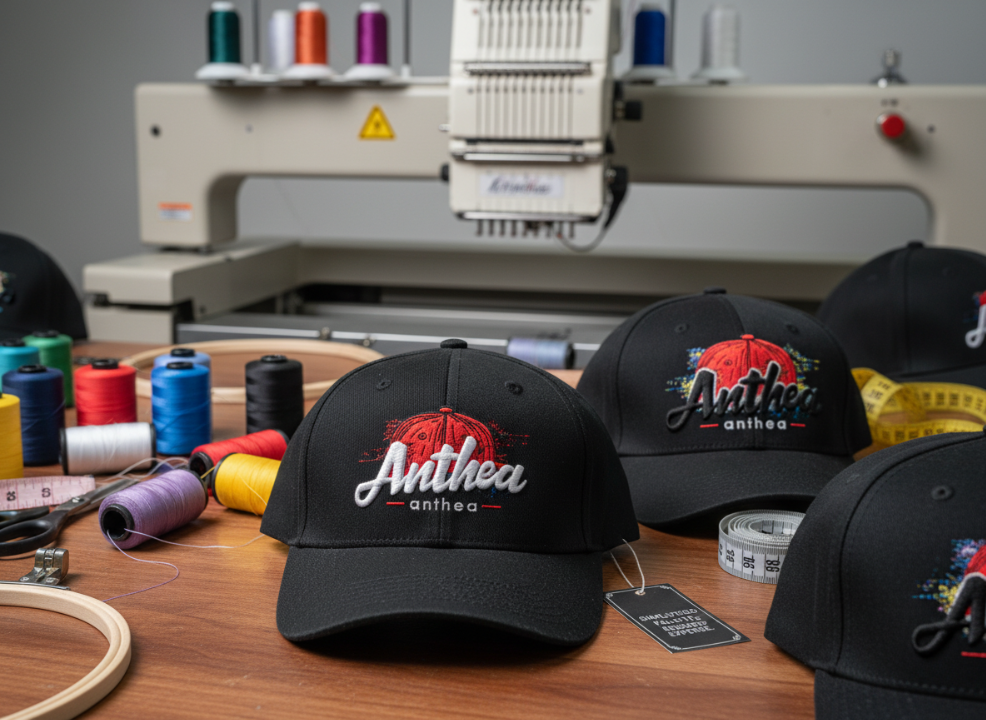
Machines stop to change thread cones, which slows the process. Simplifying from eight colors to four can cut production time by up to 20%. The more colors your logo uses, the higher your MOQ and price per hat.
Cost Breakdown by Color Count
| Color Count | Setup Complexity | Average Cost Impact | Ideal Use |
|---|---|---|---|
| 1–3 Colors | Low | Base price | Minimalist logos |
| 4–6 Colors | Moderate | +10–15% | Detailed branding |
| 7–8 Colors | High | +25–30% | Premium designs only |
| 9+ Colors | Very High | +40%+ | Switch to printing instead |
The right balance of visibility and efficiency helps brands maintain quality without inflating budgets.
How Anthea helps brands optimize color in production
Over the years, my team at Anthea has helped many lifestyle brands simplify their color palettes without losing identity. One brand cut its thread colors in half, saving 25% on embroidery costs while keeping visual impact.
Anthea’s color consultation and sampling process help brands match Pantone standards, optimize color counts, and achieve consistent results across multiple hat styles.
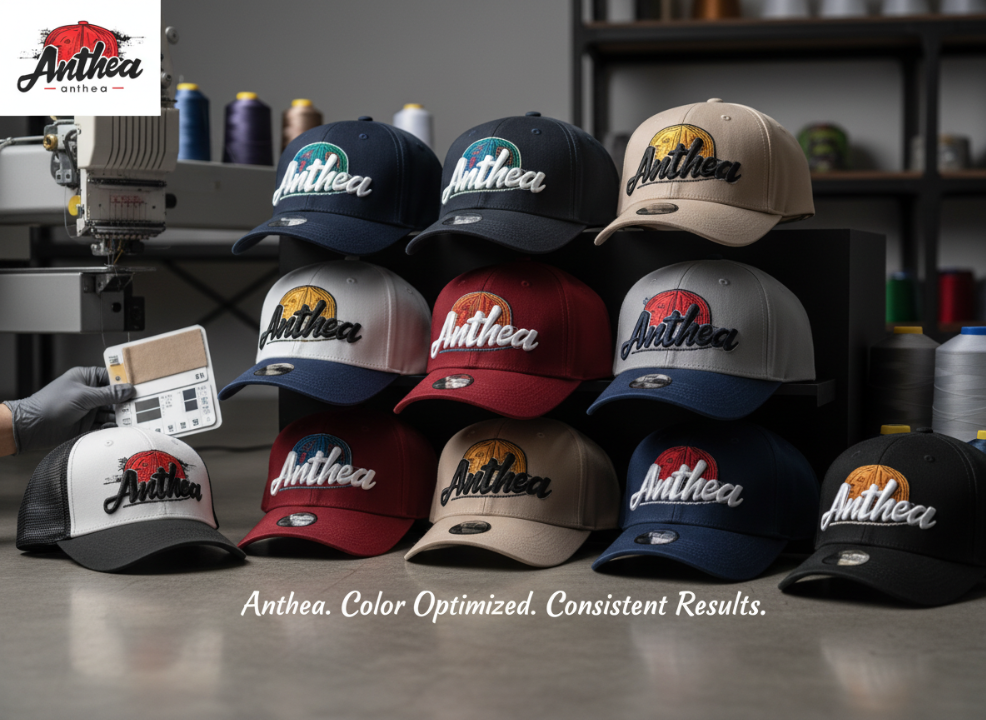
We guide clients through color testing10, thread selection11, and visual balancing12. This ensures every hat — from the first sample to the final shipment — looks cohesive and professional.
Our Color Optimization Process
| Step | What We Do | Why It Matters |
|---|---|---|
| Palette Review | Analyze your logo’s color complexity13 | Identify cost-saving opportunities |
| Thread Matching | Compare Pantone shades with samples | Maintain brand consistency |
| Embroidery Sampling | Produce test logos before production | Ensure visual accuracy |
| Final Approval | Confirm color and texture | Prevents costly reworks |
Working with experts ensures every thread color aligns with your brand vision and manufacturing needs.
Conclusion
Color limitations shape how your logo looks on every hat. By designing within hat logo color limitations1, simplifying palettes, and using expert color matching, your hats stay bold, consistent, and cost-efficient — no surprises, just clean, professional results.
-
Understanding these limitations can help you design logos that are both visually appealing and production-friendly. ↩ ↩
-
Learn how thread constraints affect your design choices and production outcomes. ↩
-
Explore the importance of Pantone matching for achieving accurate color representation in your designs. ↩
-
Discover the impact of thread color selection on the quality and appearance of your hats. ↩
-
Understand the unique characteristics of 3D Puff embroidery and how it influences design. ↩
-
Find out how to adapt your designs to meet color restrictions while maintaining brand identity. ↩
-
Discover how sublimation can enhance your designs with vibrant colors and details. ↩ ↩
-
Explore various printing methods that allow for more colors and complex designs. ↩
-
Gain insights into how color counts can significantly affect your production budget. ↩
-
Learn why color testing is crucial for achieving the desired look in your final products. ↩
-
Explore tips for selecting thread colors that align with your brand and design goals. ↩
-
Learn how visual balancing can enhance the overall appeal of your hat designs. ↩
-
Understand how to simplify color complexity without sacrificing brand identity. ↩