You design the perfect cap, but the factory delivers it two months late. This destroys your brand reputation. You need to know how to spot a reliable hat supplier immediately.
To determine hat supplier production capacity, ask for a virtual factory tour1 and check their daily output numbers2. A reliable hat supplier evaluation involves verifying their machinery count3 and asking for case studies of similar volume orders4. Consistency in communication5 often proves their operational stability.
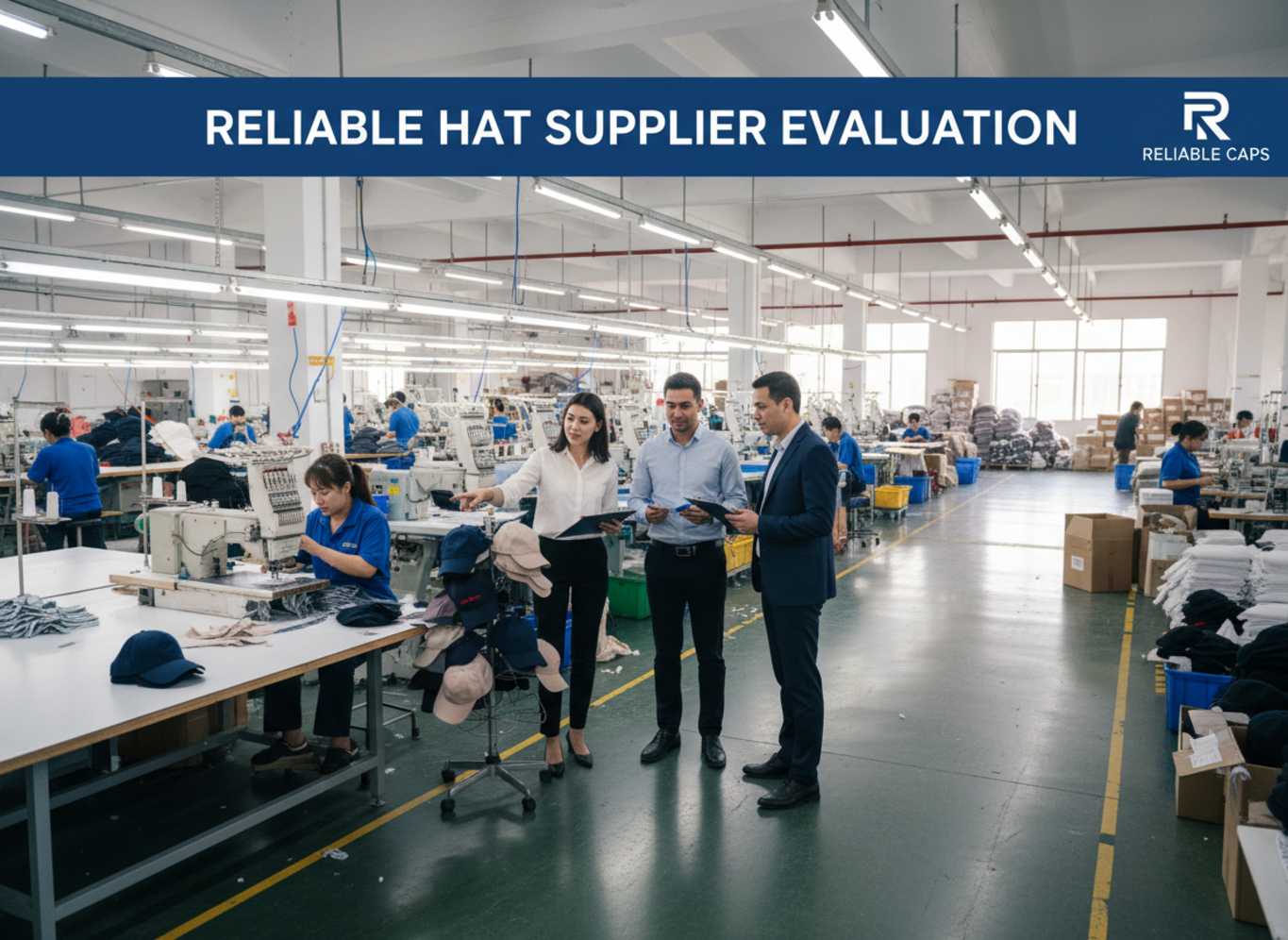
Many brands fail because they trust the wrong people. I have seen this happen too many times in the industry. You must look deeper than just the website photos. Let us look at the specific details you need to check right now.
How do you evaluate a manufacturer’s production capacity?
Suppliers often lie about their speed to get your deposit. You believe them and lose money. You must dig for the truth before you sign any contract.
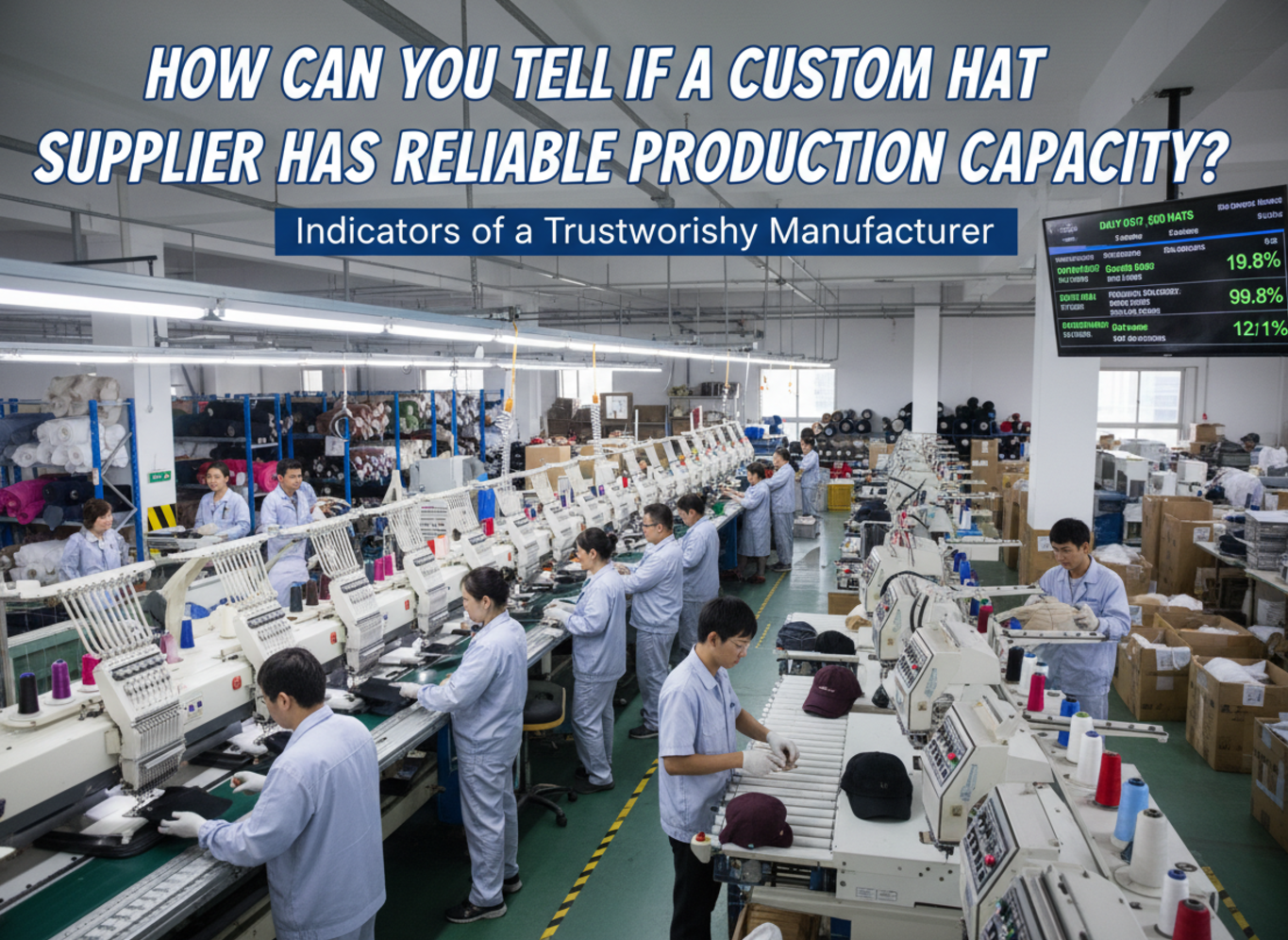
Ask for a specific equipment list6 and worker count7. Real manufacturing volume assessment for hats requires knowing how many embroidery machines and sewing lines8 are active daily.
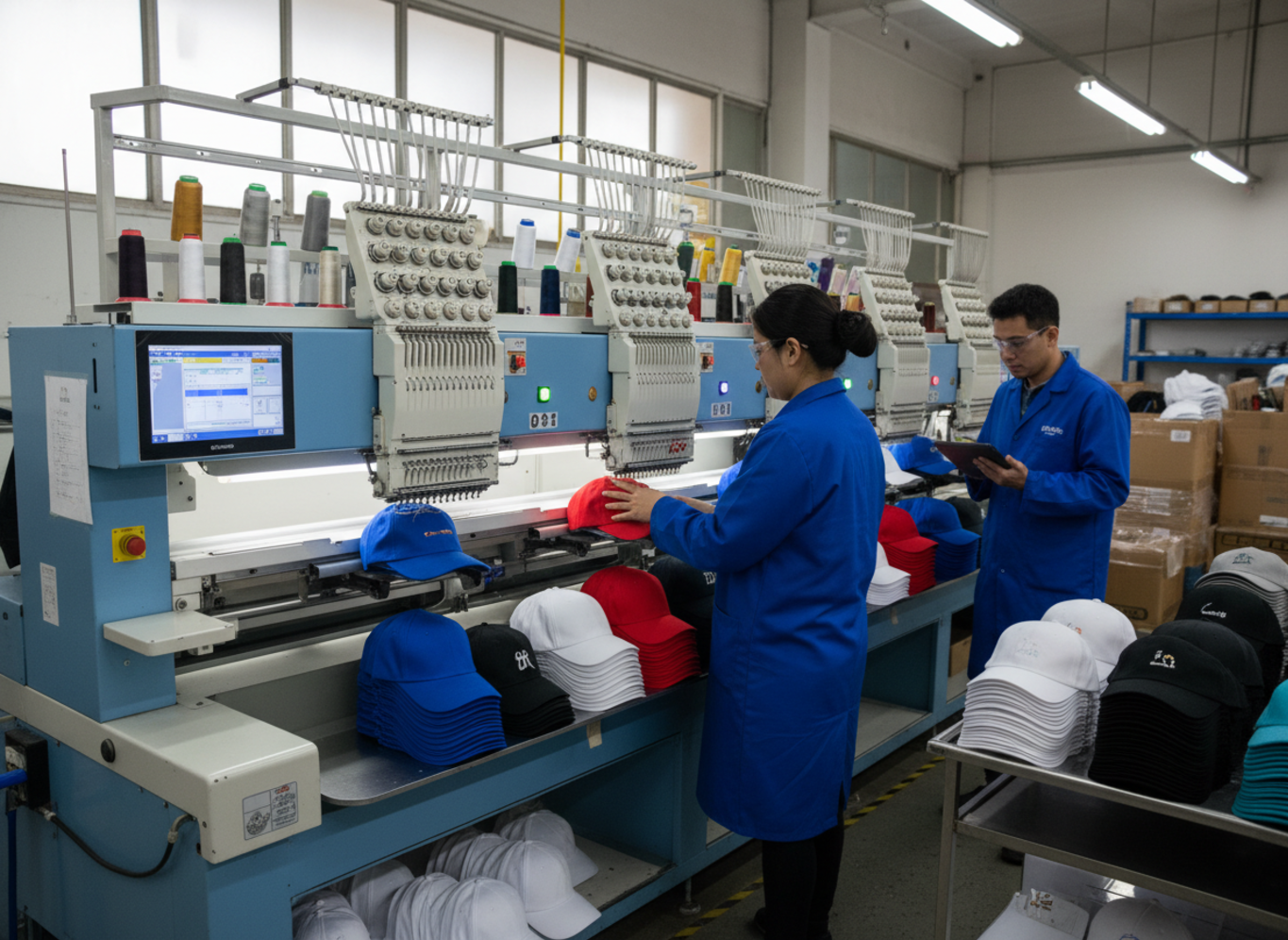
You need to look at the hard numbers. When I talk to new clients at Anthea, I show them exactly what we have on the floor. A factory might say they can make 10,000 hats a month. But do they have the machines to do it? You need to ask about their "Spare Capacity9." This is different from their total capacity. If a factory is already 95% full with other orders, your order will be delayed.
Here is a simple way to break down the assessment:
| Factor to Check | What to Ask | Why it Matters |
|---|---|---|
| Machinery | "How many heads does your embroidery machine have?" | More heads mean faster logo work. |
| Workforce | "How many sewing workers are on the production line?" | Machines need people. No people means no hats. |
| Current Load | "What is your current production schedule fullness10?" | This reveals if they have space for you. |
You must also understand their shift patterns11. Do they work one shift or two? A factory willing to run a double shift during busy seasons has better flexibility. This is a key part of manufacturing volume assessment for hats. Do not just accept a "yes." Ask for photos of the current production line12. If the floor is empty, they have no business. If it is too full, they have no space. You want a balance.
What determines factory production capability?
Machines break down and workers get sick. If a factory has no backup plan, your order stops. You need a partner who plans for problems.
Custom headwear factory capabilities depend on supply chain management13 and skilled labor. It is not just about sewing machines; it is about fabric stock14 and quality control speed.
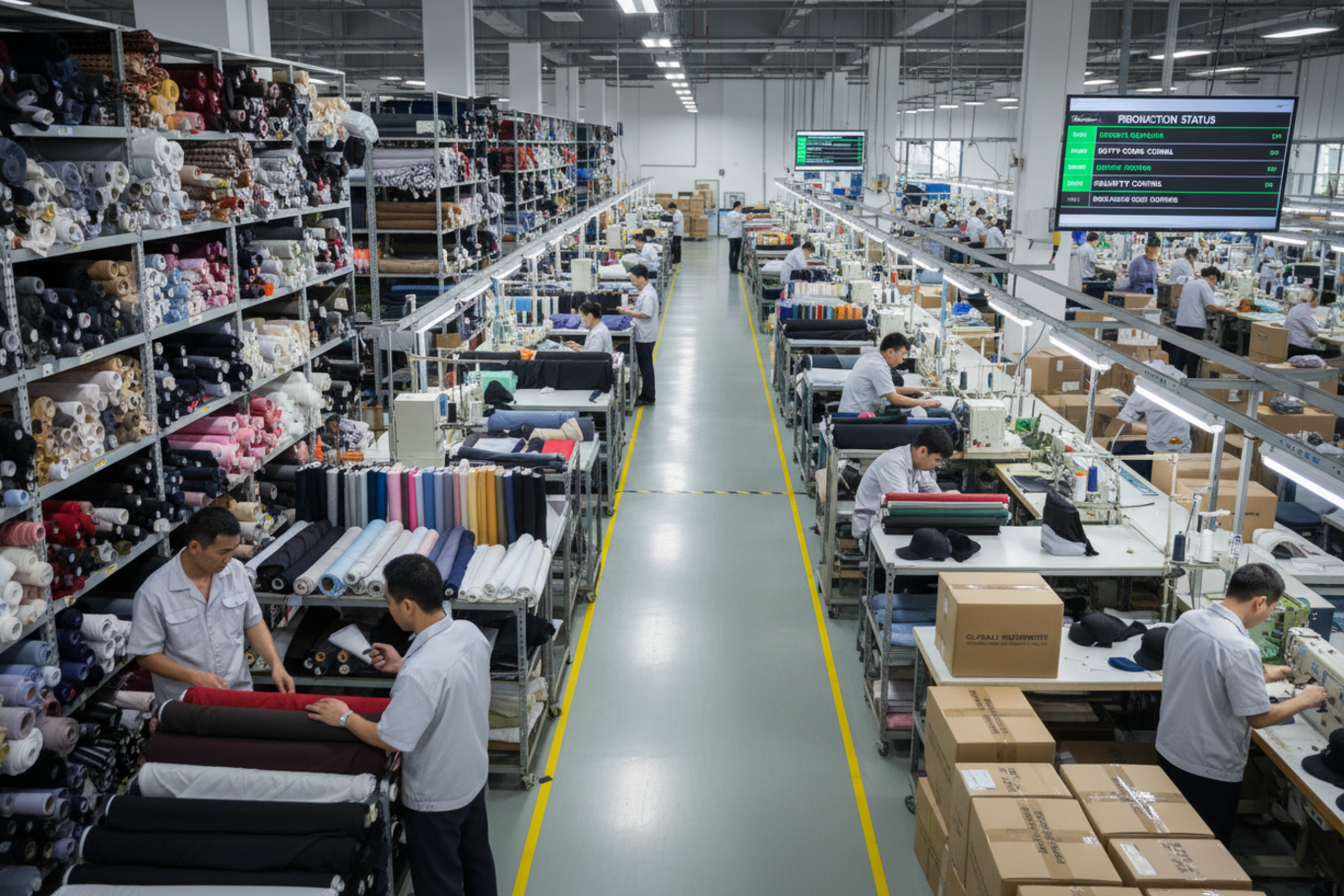
Production capability is an ecosystem. It is not just one thing. At Anthea, we know that the sewing machine is the last step. The first step is the material. If a factory does not have good relationships with fabric mills, they cannot start. I have seen factories wait three weeks just for the buckram (the stiff mesh inside the front of the hat). This kills your timeline.
You need to look at three specific areas to judge custom headwear factory capabilities:
- Material Sourcing: Does the factory have fabric in stock? If they have to order every roll from a different city, it adds days to your lead time. We keep common colors in stock to speed this up.
- The Human Element: Are the workers temporary or permanent? Temporary workers make mistakes. Permanent staff know how to handle complex embroidery without breaking needles.
- Quality Control (QC) Stations15: Does the factory inspect hats at every stage? Or only at the end? If they only check at the end, they might find a mistake on 500 hats. Then they have to remake all of them. This causes huge delays.
Factory production lines headwear processes must be smooth. You want to see a flow. The fabric cutting happens, then the panels go to embroidery, then they go to sewing. If these departments do not talk to each other, the capability drops. Ask your supplier how they handle a lack of materials. Their answer will tell you if they are professionals or amateurs.
How can I verify a supplier can handle large orders?
Small orders are easy to manage. Scaling up causes chaos. You do not want quality to drop as your volume rises.
To perform a supplier scalability assessment16, start small and increase order size gradually. Ask for references from clients who order thousands of units to verify consistency.
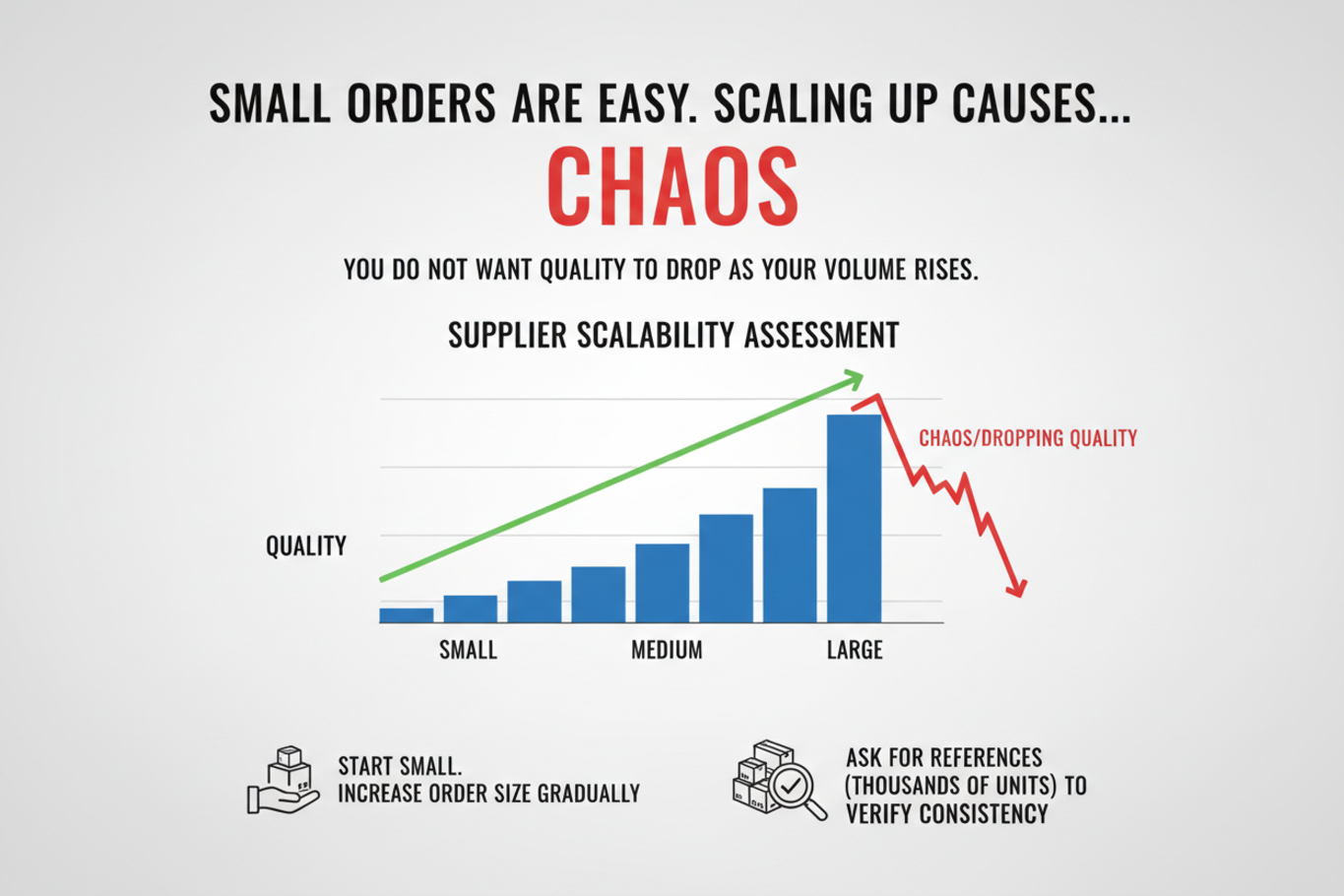
You are growing your brand. Maybe today you order 200 pieces. Next year, you might need 2,000. You need to know if we can grow with you. This is called supplier scalability assessment16. A factory that is great at making 50 hats might fail at making 5,000. Large orders require different logistics. They need more storage space, more boxes, and better organization.
Here is a strategy I recommend to my clients to test this:
- The Ramp-Up Method17: Do not place a massive order first. Place an order for 200. See if it arrives on time. Next, order 500. Watch the communication. Did it get slower? Finally, try 1,000. If the quality stays the same, they are scalable.
- The Stress Test18: Ask the supplier what happens if you double your order suddenly. Do they have partner factories? We operate as a factory direct service, but for massive surges, we plan shifts ahead of time.
- Case Studies: Ask for proof. Ask them, "Show me a photo of a shipment with 5,000 hats." If they cannot show you a picture of a large shipment, they probably have not done it.
How to evaluate hat factory production capacity involves looking at their packing department. If they have a tiny room for packing, they cannot handle big orders. Large orders take up a lot of physical space. If the factory is cluttered and messy, they will lose your boxes. Reliability comes from organization.
Does factory size guarantee reliability?
Big factories often ignore small brands. You feel unimportant and get delayed. Small factories might lack resources.
Size does not equal a custom cap supplier reliability check19. Huge factories prioritize big clients, while mid-sized factories often care more about your specific growth and timelines.
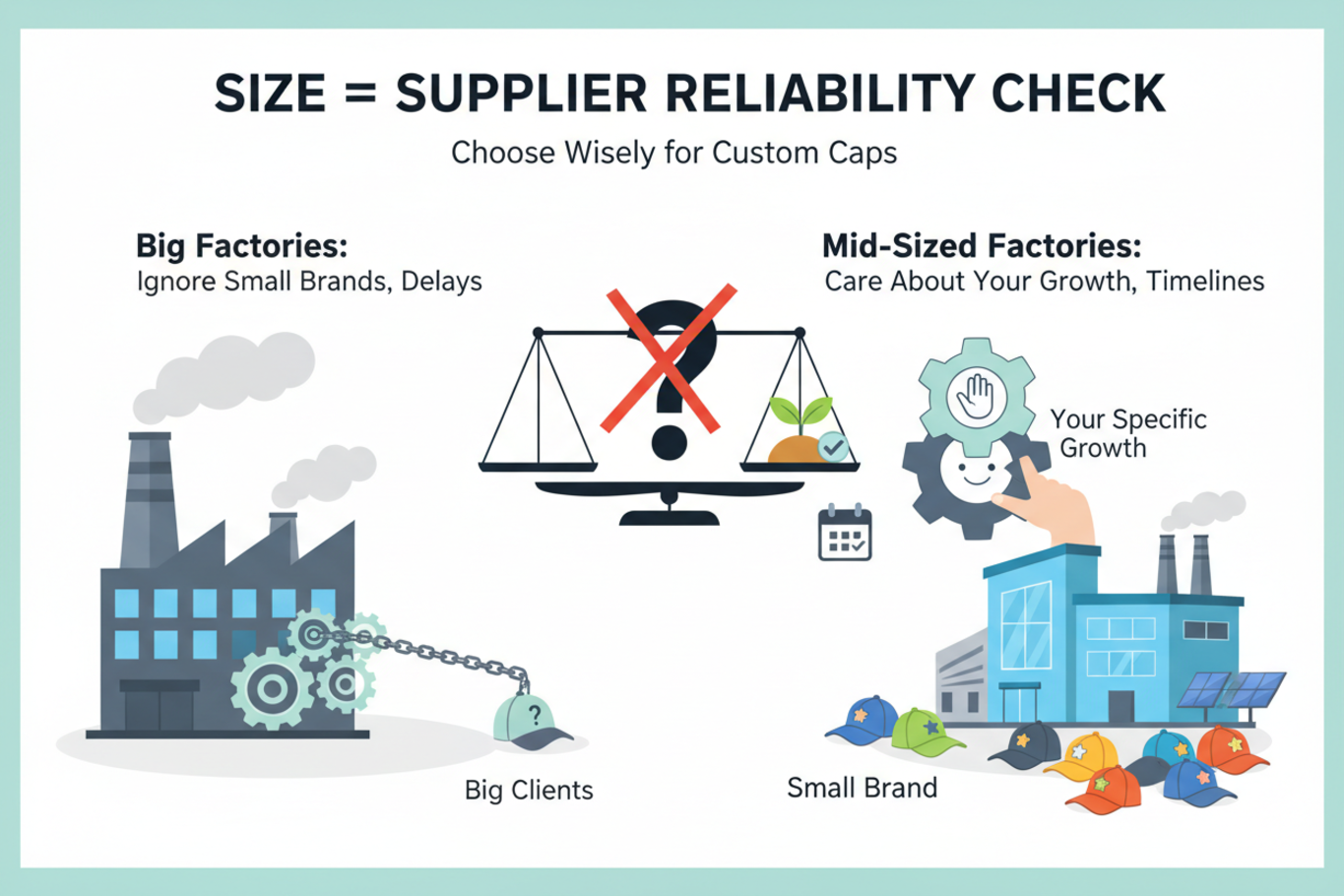
This is a common mistake. You think a factory with 1,000 workers is safer. But ask yourself: "Am I their biggest client?" If you order 300 hats from a factory that makes for Nike, you are the last priority. If Nike needs capacity, your order gets pushed back. You will not even get an email about it.
For a proper custom cap supplier reliability check19, you need to find the "Goldilocks" size.
- Too Big: They have high MOQs (Minimum Order Quantities). They are rigid. They do not care about your custom design details. They want easy, standard orders.
- Too Small: They might be one person in a garage. If that person gets sick, your business stops. They cannot buy materials at a good price.
- Just Right (Mid-Sized): This is where Anthea sits. We have the professional machines and the export licenses. But we are small enough to care about your brand. We want you to grow so we can grow.
When you look for a hat supplier production capacity, look for attention. Do they reply to you fast? Do they offer solutions? A huge factory has a sales team that follows a script. A mid-sized partner offers advice on design and cost savings. Reliability is about the relationship, not just the square footage of the building. You need a partner who treats your business like their own.
What KPIs indicate stable manufacturing output?
Vague promises mean nothing in business. "We are fast" is not data. You need hard numbers to trust a schedule.
Key Performance Indicators include On-Time Delivery Rate20 and Defect Rate. These numbers show true factory production lines headwear efficiency better than any sales pitch can.
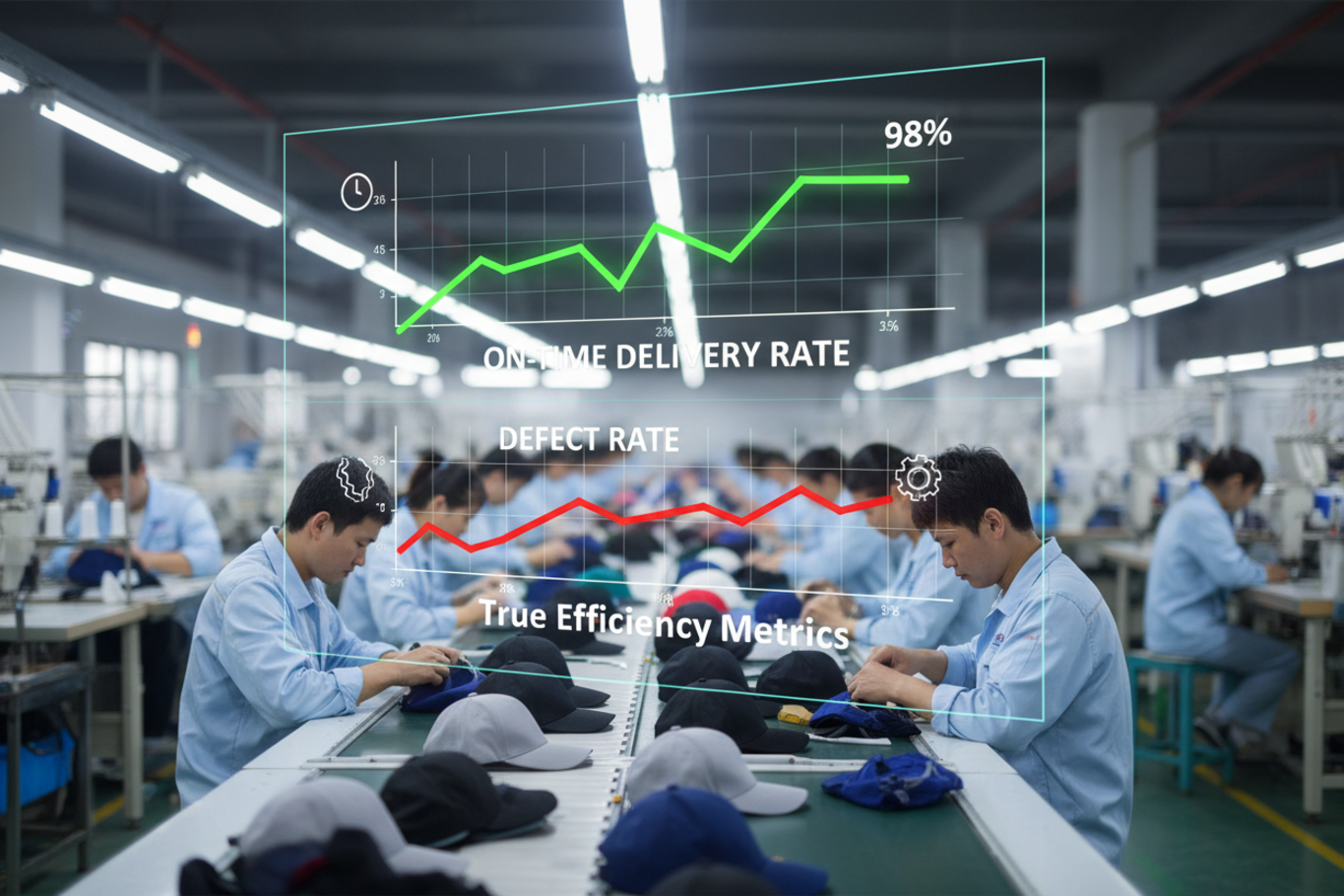
You should ask your supplier for their data. If they do not track their own performance, that is a red flag. Professional manufacturers know their numbers. These numbers are your best tool for reliable hat supplier evaluation.
Here are the critical KPIs (Key Performance Indicators) you should ask about:
| KPI Name | What it Means | Good Score |
|---|---|---|
| OTD (On-Time Delivery) | How often they ship on the promised date. | Above 95% |
| Defect Rate | How many hats are bad and need to be thrown away. | Below 2% |
| Sample Lead Time | How many days to make a prototype. | 7-10 Days |
| Response Time | How fast they reply to your questions. | Under 24 Hours |
Let us dig deeper into the Defect Rate. This connects directly to factory production lines headwear quality. If a factory has a 10% defect rate, they are wasting time fixing mistakes. This slows down your production. It also means you might receive bad products.
Also, look at the Sample Lead Time. This is a mini-test of their capacity. If it takes them 30 days to make one sample, how can they make 500 hats in 30 days? It is impossible. A fast sample time shows they have a dedicated sample room. This means they do not have to stop the main production line to make your prototype. This separation of tasks is a sign of a mature, reliable factory. Use these numbers to make your decision, not just your feelings.
Conclusion
To verify reliable capacity, check equipment lists, start with small test orders, analyze their KPIs, and choose a mid-sized partner who prioritizes your growth.
-
See actual lines, staffing, and workflow in real time—harder to fake than brochure photos. ↩
-
Daily figures reveal true throughput and bottlenecks, helping you judge if timelines are realistic. ↩
-
Machine counts correlate with speed; verifying prevents overpromises that lead to delays. ↩
-
Proof of past scale reduces risk and shows they’ve handled your order size successfully before. ↩
-
Steady, timely updates signal good processes—often the difference between on-time delivery and chaos. ↩
-
A detailed list exposes real capability and helps you match equipment to your product requirements. ↩
-
Labor capacity drives output; confirming headcount helps avoid suppliers who can’t staff your order. ↩
-
Understanding line balance helps you spot factories that claim volume without the right setup. ↩
-
Spare capacity predicts delays; a factory running near full utilization can’t absorb your order. ↩
-
Shows whether they actually have room for you—critical for protecting launch dates. ↩
-
Shift capacity is a fast way to scale output during peaks—useful for seasonal demand planning. ↩
-
Visual evidence helps confirm real operations, organization, and whether the floor is overloaded or empty. ↩
-
Strong sourcing prevents material delays that stall production even when sewing capacity exists. ↩
-
In-stock materials cut lead time and reduce the risk of schedule slips from sourcing issues. ↩
-
In-process QC catches defects early, preventing rework that wrecks timelines and consistency. ↩
-
Tests whether quality and communication hold up as volumes rise—key for scaling without failures. ↩ ↩
-
A staged approach limits risk while revealing real performance under increasing volume pressure. ↩
-
Forces them to explain contingency plans, exposing whether they can handle surges without delays. ↩
-
A structured check reduces the chance of late delivery, poor QC, and being deprioritized as a small brand. ↩ ↩
-
OTD is the clearest predictor of schedule trustworthiness—vital for launches and reputation. ↩