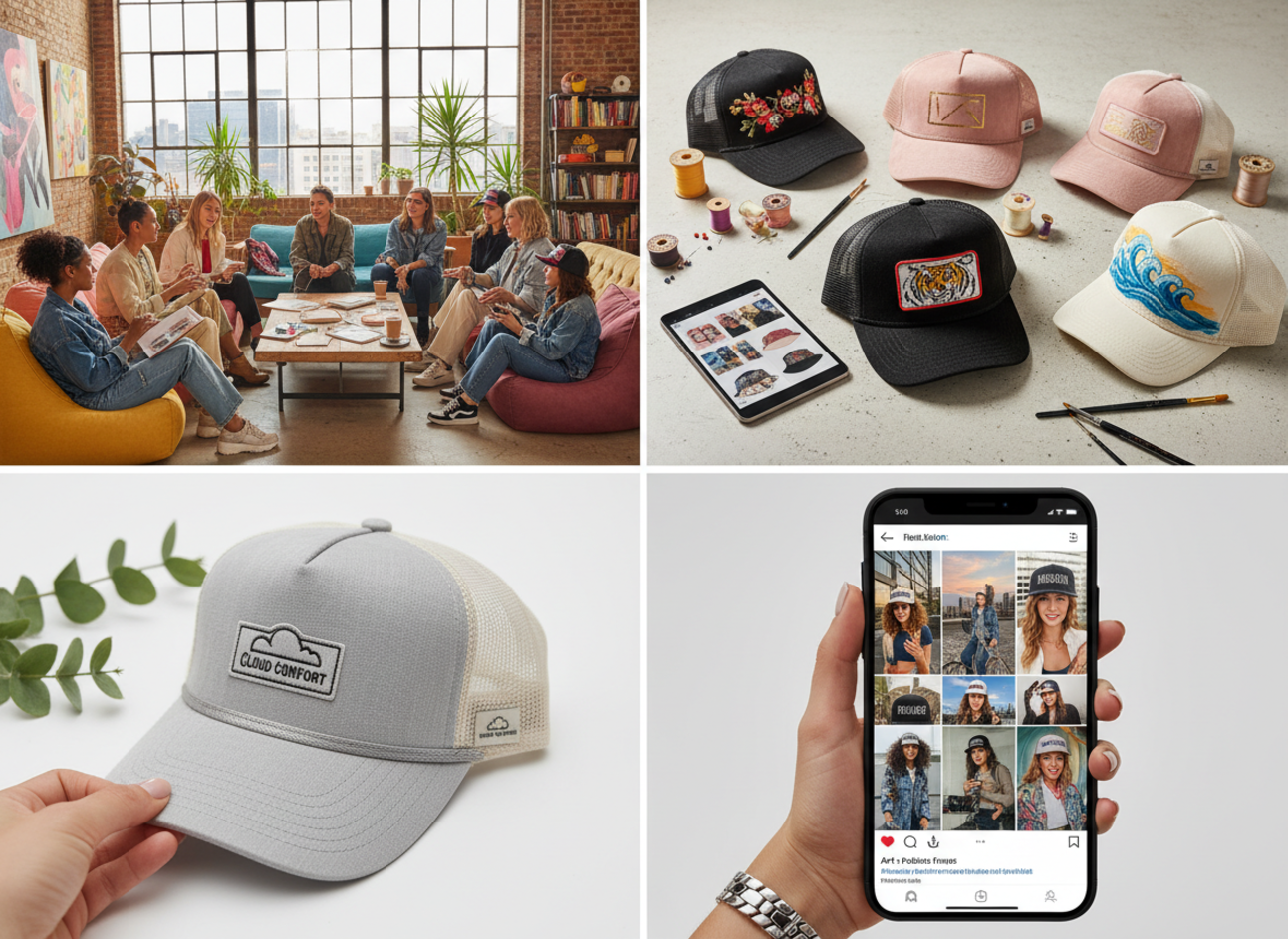
You have a vision for a fashion brand, but the market feels crowded and difficult. You worry that your designs will not stand out or fit your customers correctly. I will guide you through the specific steps to create and sell a successful women’s trucker hat collection.
To successfully launch women’s trucker hats, you must combine trend-focused market research1 with a reliable manufacturing partner who understands female-specific sizing2. You need a strategy that includes detailed customization3, rigorous sampling4 to ensure the perfect fit, and a marketing plan that utilizes influencer "drops"5 to create urgency.
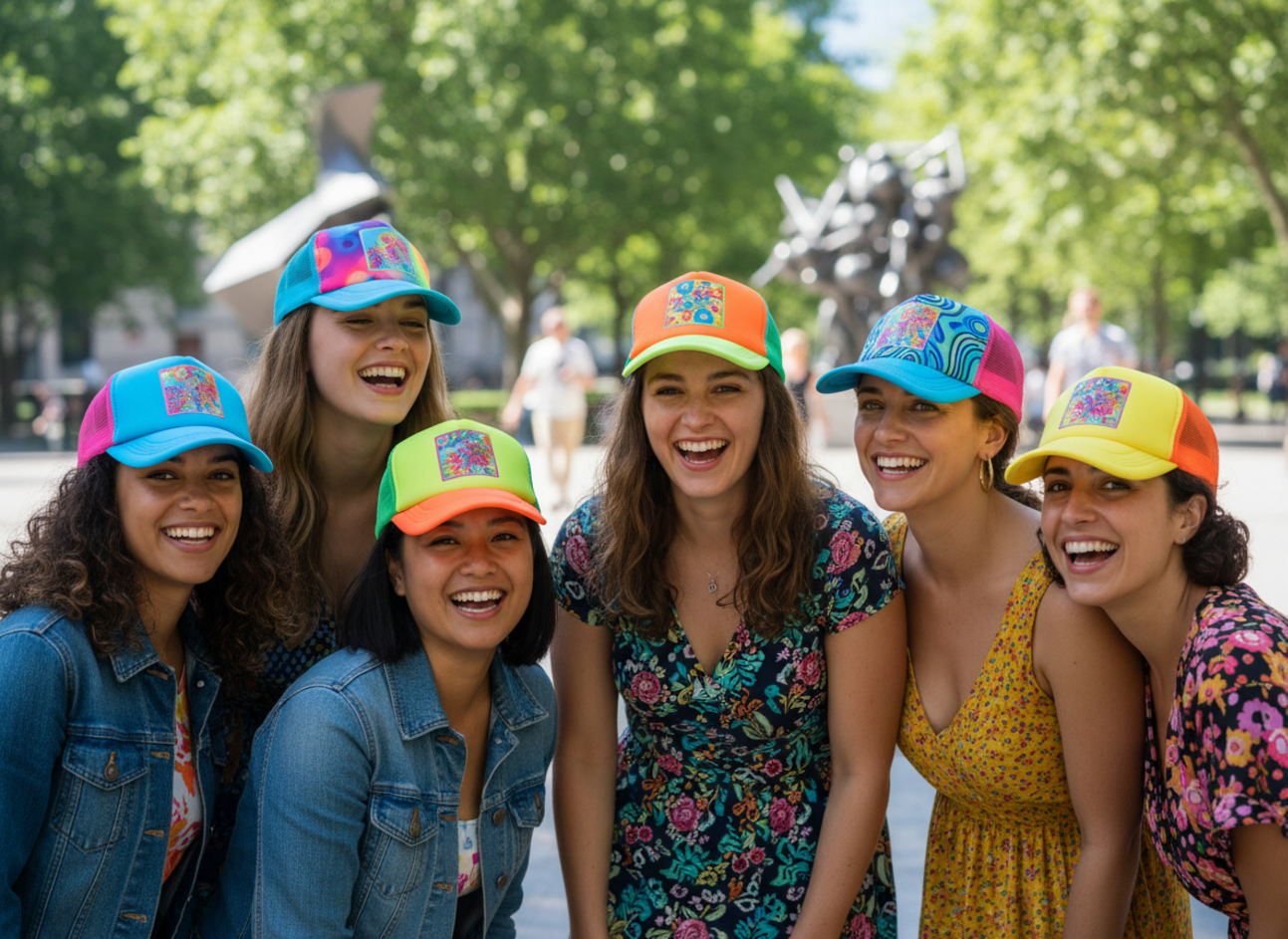
Many new brand owners fail because they rush the process. They buy generic hats that do not fit women well, or they choose a factory that cannot deliver quality. I have seen this happen many times in my years of manufacturing. However, if you follow a logical path, you can avoid these mistakes. Let us look at the first step.
How Do You Research the Market for Women’s Trucker Hats?
You might have a great design in your head, but will it sell? Guessing what customers want is the fastest way to lose your budget.
You must analyze current trends on platforms like TikTok and Pinterest6 to see what colors and shapes are popular. Specifically, look for complaints about fit in competitor reviews7 to identify gaps in the market that your brand can fix.

Research is not just about looking at pretty pictures. You need to dig deep into the data. When I work with clients like Ben, we look at three specific areas: sizing, color palettes, and material preferences8. For women’s trucker hats, the standard "one size fits all"9 often does not work. Many standard hats are too deep or too wide for a smaller head.
You should read the one-star reviews on your competitors’ websites. You will often see comments like "this hat touches my ears" or "it looks huge on me." This is your opportunity. You can design a hat with a lower profile (crown height)10 that fits a woman’s head better.
Also, look at the "aesthetic" trends. Right now, we see a shift from neon colors to muted pastels and vintage washes11. Women often want hats that match their activewear or casual brunch outfits. You need to verify if your target customer wants a foam front (traditional trucker)12 or a cotton front (more structured)13.
| Research Area | What to Look For | Why it Matters |
|---|---|---|
| Sizing | Crown height and circumference | Women often need a shallower fit than men. |
| Color | Seasonal trends (Pastels vs. Earth Tones) | Fashion is cyclical; wrong colors sit on shelves. |
| Utility | Sweatband material and ponytail holes14 | Makeup stains on white sweatbands are a pain point. |
What Should You Look for in a Manufacturing Partner?
Choosing the wrong factory can destroy your brand before it starts. You cannot afford delays, poor communication, or products that look cheap.
You need a manufacturer who offers low Minimum Order Quantities (MOQ)15 and communicates quickly. They must have experience with fashion-forward designs, not just cheap promotional items, and they should be willing to send you samples before mass production16.
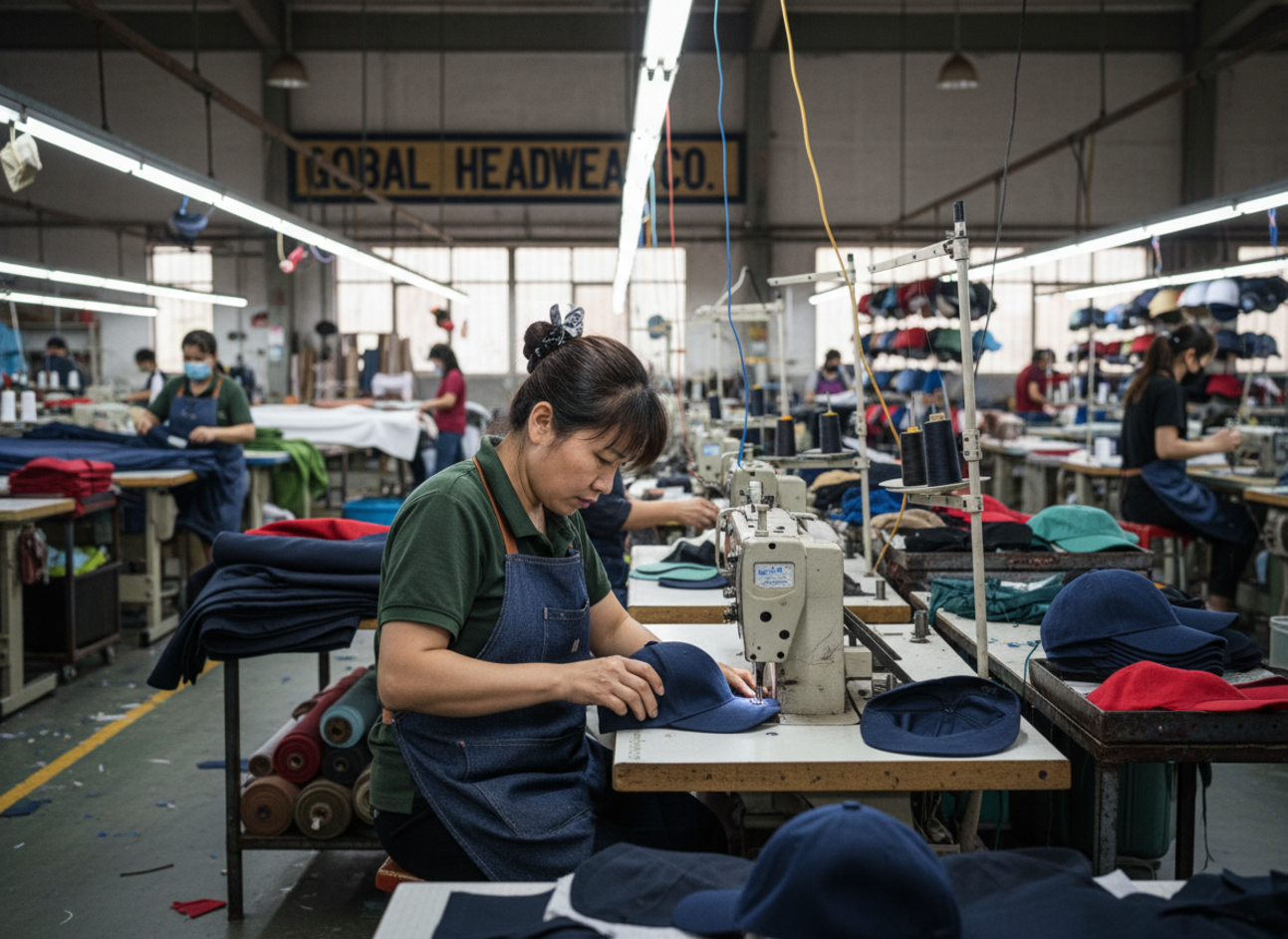
Finding a partner is like dating. You need trust. At Anthea, we focus on small and medium brands because we know you need flexibility. When looking for a supplier, do not just look at the price per unit. A cheap hat that arrives two months late is worthless to you.
You should ask potential partners specific questions. Ask them: "Do you have experience with women’s sizing?" "Can you dye the mesh to match the front panel exactly17?" Many factories only offer standard black or white mesh. For a fashion brand, this limits your design. You want a partner who can customize every part of the hat.
Communication speed is also critical. If I take three days to reply to your email, you will feel anxious. You want a partner who uses WhatsApp or replies within 24 hours. You also need a factory that acts as a consultant. If your design will not embroider well because the lines are too thin, your partner should tell you before they make it.
| Supplier Trait | Why You Need It |
|---|---|
| Low MOQ (200 pcs) | Allows you to test designs without huge risk. |
| Fast Sampling (7-10 days) | You can iterate designs quickly to catch trends. |
| English Proficiency | Prevents costly misunderstandings in design specs. |
| Quality Control | Ensures no loose threads or crooked logos reach customers. |
How Does the Product Development Cycle Work for Hat Brands?
The process from idea to finished product can feel overwhelming and chaotic. You need to know exactly what happens at each stage to plan your launch date.
The cycle consists of design submission (Tech Pack18), material sourcing, sampling, approval, mass production, and shipping. You must approve every detail during the sampling phase to ensure the final bulk order matches your vision perfectly.
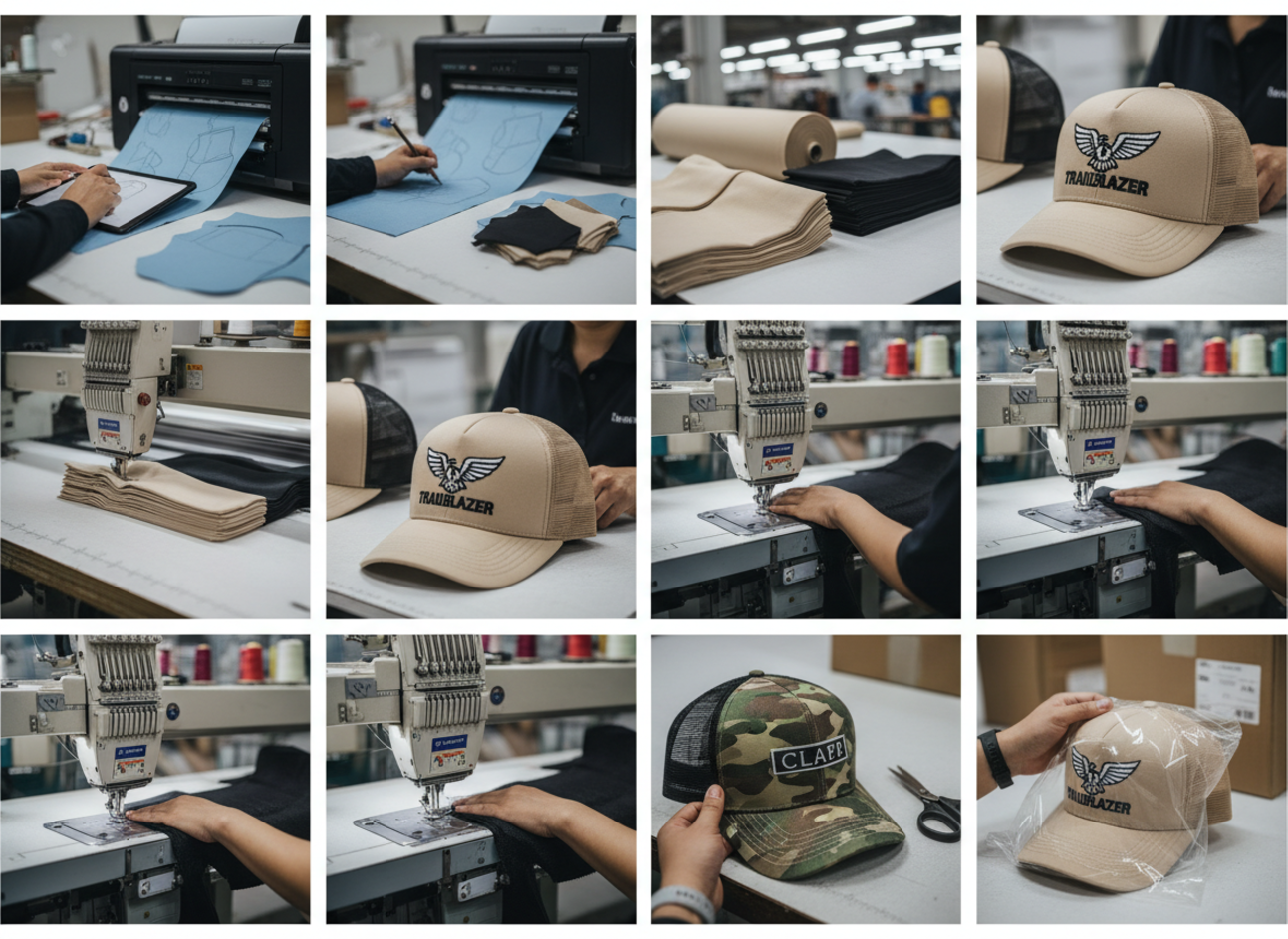
Let me break down the timeline so you can plan your business. First, you send us your logo and ideas. We call this a "Tech Pack18." It tells us the colors, size, and placement of your art. If you do not have a Tech Pack18, we help you make one.
Next is sourcing. For women’s trucker hats, this is vital. We might need to find a specific shade of "Sage Green" for the foam front and a matching mesh. This takes a few days. Then, we create a sample. This is a physical prototype. We ship this to you. You must try it on. Does it fit? Is the embroidery clean?
Once you say "Yes," we start mass production. This usually takes 25 to 30 days depending on the quantity. During this time, we cut fabric, embroider panels, sew the hats, and steam them for shape. Finally, we do quality checks19 and ship them to you. If you want to launch in June, you must start this process in March or April.
| Stage | Duration | Your Responsibility |
|---|---|---|
| Design / Tech Pack18 | 1-3 Days | Provide vector logos and color codes (Pantone). |
| Sampling | 7-10 Days | Review photos or physical sample carefully. |
| Production | 25-35 Days | Pay deposit and prepare your marketing. |
| Shipping | 5-30 Days | Choose air (fast) or sea (cheap) freight. |
What Launch Strategies Work for New Women’s Hat Collections?
You have boxes of beautiful hats, but nobody knows they exist yet. You need a plan to move this inventory quickly.
The most effective strategy is the "Drop Model,"20 where you release limited quantities to create scarcity. You should combine this with influencer seeding, where you send free products to micro-influencers who match your brand’s aesthetic.
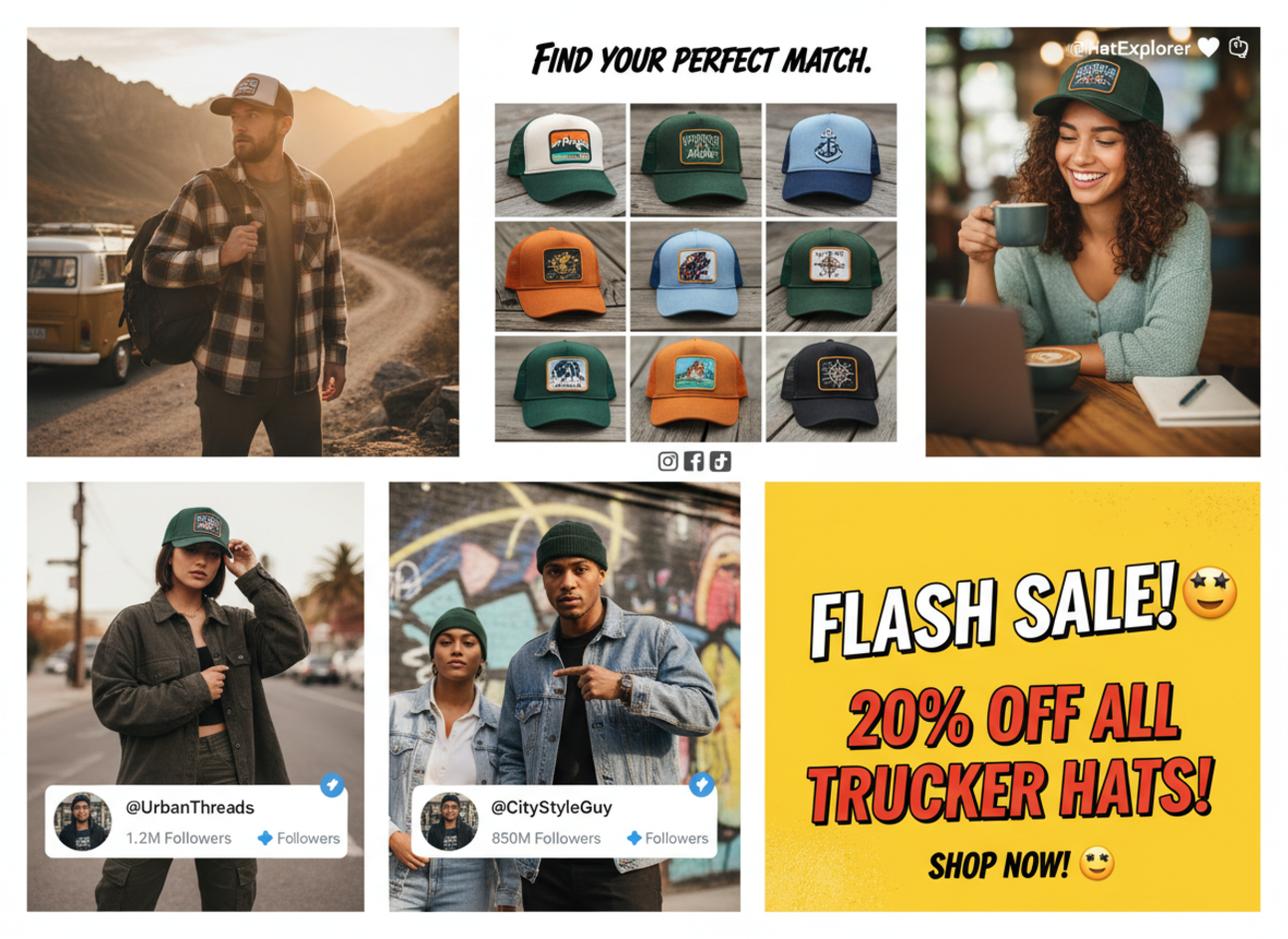
I have seen many brands fail because they just put the product on a website and wait. That does not work. You need to create hype. The "Drop Model" is powerful. Instead of saying "We have hats in stock forever," you say "Collection dropping Friday at 10 AM. Limited supply." This makes people buy immediately because they fear missing out.
Influencer marketing is essential for women’s fashion. You do not need expensive celebrities. Find girls on Instagram or TikTok who have 5,000 to 50,000 followers. They often have very loyal audiences. If you send them a free hat and they wear it in a cute outfit, their followers will ask, "Where did you get that?"
You should also use short-form video. Show the "Behind the Scenes." Show the design process. Show the box arriving. Show how you style the hat with different outfits. Women want to see how the hat looks in real life, not just a white-background product photo.
- Pre-Launch (2 Weeks out): Tease photos, countdown stickers on Instagram Stories.
- Launch Day: Go live on social media, email your list, minimal discounts (protect your brand value).
- Post-Launch: Share photos of customers wearing your hats (User Generated Content).
What Role Does Customization Play in Brand Differentiation?
If you sell a plain blank hat, you are competing with Amazon. You cannot win that battle. You must add unique details.
Customization allows you to charge a premium price and builds brand loyalty. Elements like 3D puff embroidery, custom interior taping, woven labels, and unique rope details make your product feel like a high-end fashion item.
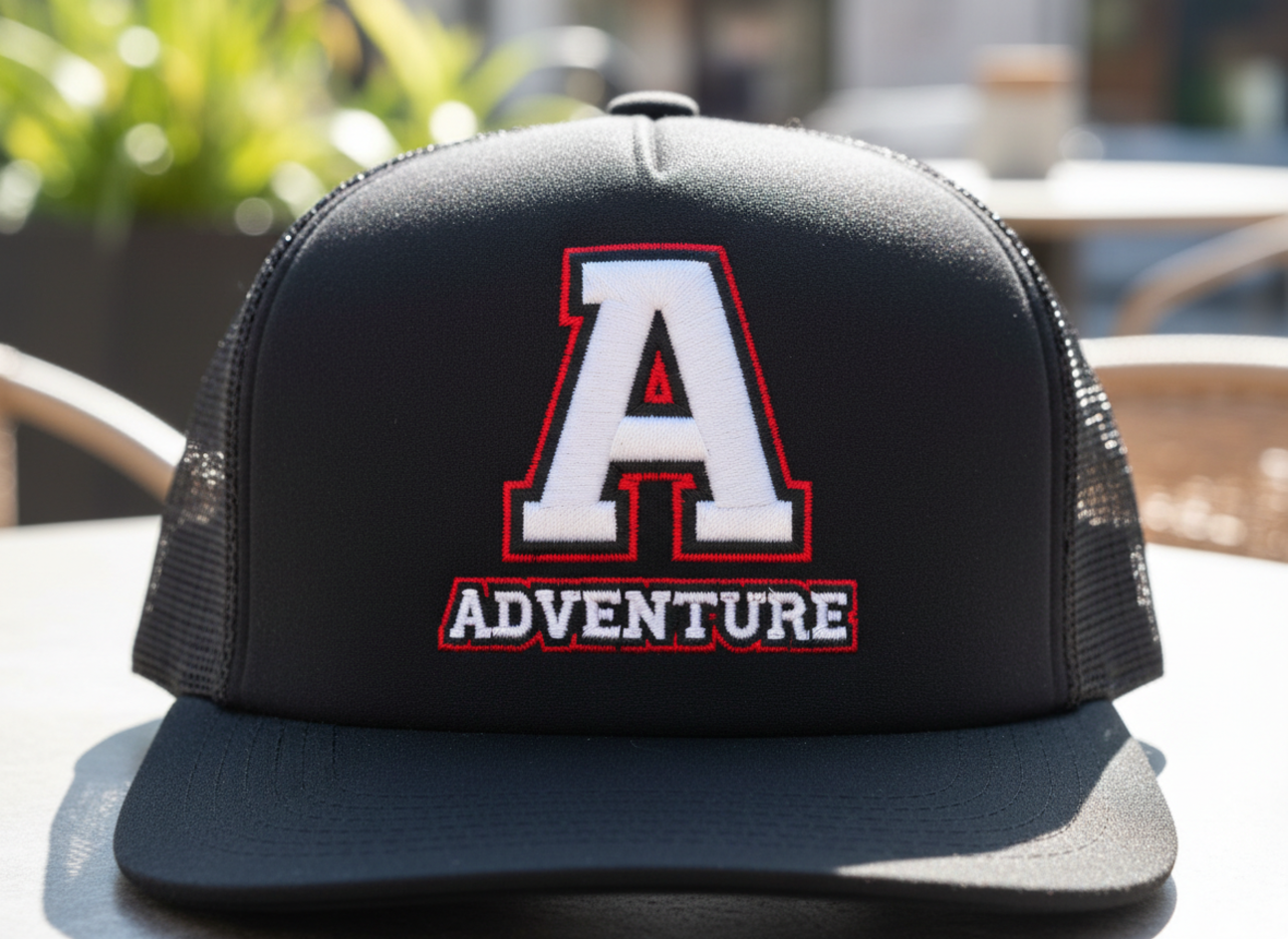
At Anthea, we offer many ways to make a hat special. For women’s trucker hats, the details matter immensely. Standard flat embroidery is fine, but 3D Puff embroidery makes the logo pop off the hat. It looks expensive and substantial.
Do not forget the inside of the hat. We can print your brand name on the inner taping (the strips that cover the seams). We can also add a woven label on the sweatband. When a customer takes the hat off, they see your brand. It feels professional.
Another popular trend for women’s hats is the "rope" across the brim. A braided rope adds a vintage, nautical, or golf-club feel. It is a small cost addition, but it changes the entire look of the hat. Also, consider the closure. A cheap plastic snap is standard, but a custom color snap or a metal buckle can elevate the design.
| Custom Option | Description | Value Added |
|---|---|---|
| 3D Puff Embroidery | Raised stitching for logos. | High visual impact and texture. |
| Interior Taping | Branded fabric covering seams. | "Retail Ready" look, professional finish. |
| Custom Rope | Braided cord across the brim. | Adds vintage style and color contrast. |
| Side Patch | Embroidery on the side mesh. | Extra branding space, looks premium. |
How Can Sampling and Feedback Improve Market Readiness?
Many people try to skip the sample to save $100. This is the biggest mistake you can make.
Sampling is your insurance policy against bad production runs. It allows you to test the physical fit, check the color accuracy under real light, and ensure the embroidery quality meets your standards before you spend thousands of dollars.
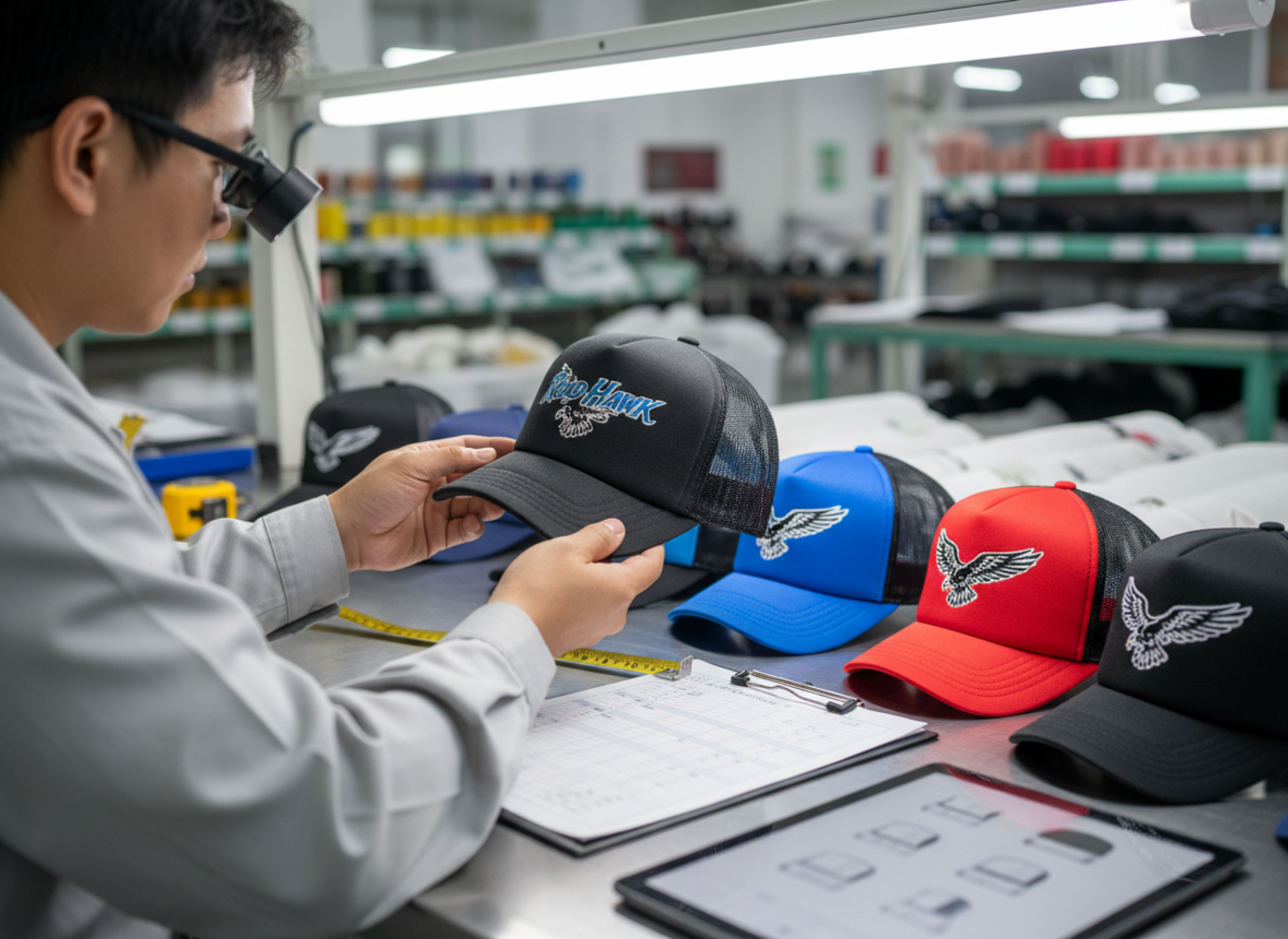
When I send a sample to a client, I want them to be critical. You should put the hat on your head. Does the mesh feel scratchy? Is the sweatband soft enough against your forehead? For women’s hats, check the depth. If it comes down too low, it will push against the ears, which is very uncomfortable.
You also need to check the colors in daylight. A digital screen shows colors differently than real fabric. "Baby Pink" might look like "Pig Pink" in real life. The sample lets you catch this. If the color is wrong, we can change it before we make 500 hats.
We also use this stage to check the logo. Sometimes text is too small to read when embroidered. If we see this on the sample, we can make the text bold or increase the size. This feedback loop is what saves your business. It is better to delay the launch by two weeks to fix a sample than to sell a bad product.
- Fit Test: Wear it for an hour. Does it hurt?
- Stress Test: Pull the seams. Do they hold?
- Visual Test: Compare it to your original Tech Pack18.
What Are Examples of Successful Women’s Trucker Hat Launches?
You might wonder if this actually works. Can a small brand really compete with big names? The answer is yes, if you have a clear identity.
Successful brands like Aviator Nation or Alo Yoga succeed because they treat hats as essential accessories, not afterthoughts. They use consistent color stories, high-quality materials, and lifestyle marketing to create a community around their products.
I cannot name my specific clients due to privacy, but I can tell you about the patterns of success I see. One successful client started with just 200 hats. She focused entirely on "Mom" branding. The hats had phrases related to motherhood, but in a cool, streetwear font. She did not use cheap generic fonts. She hired a designer.
She chose a "High Profile" trucker shape but used very soft foam so it did not look stiff. She sent hats to 50 "Mom Influencers." She sold out her first batch in 48 hours. Why? Because the product spoke directly to a specific group, and the quality was high enough to justify the price.
Another success story involves a gym brand. They matched their hat colors exactly to their leggings. If they sold teal leggings, they made teal trucker hats. This encouraged customers to buy the "full set." This increased their average order value significantly. They used our custom dyeing service to get the colors perfect.
| Success Factor | Description |
|---|---|
| Niche Focus | Targeting a specific group (Moms, Gym goers, Surfers). |
| Material Quality | Using soft mesh and premium foam. |
| Visual Consistency | Hats match the rest of the clothing line. |
| Storytelling | Selling a lifestyle, not just a hat. |
Conclusion
To launch a successful women’s trucker hat brand, you must research the specific fit and trends women want, partner with a flexible factory like Anthea, and obsess over details during sampling. If you customize wisely and create launch hype, you will build a loyal customer base.
-
Learn proven methods to validate demand and avoid costly guesswork before investing in designs and inventory. ↩
-
Find sizing standards and fit guidance so your hats feel made for women, not generic unisex blanks. ↩
-
See which upgrades actually increase perceived value, pricing power, and brand differentiation. ↩
-
Get a checklist to catch fit, color, and build issues early—before you commit to thousands of dollars. ↩
-
Understand tactics that create urgency and quick sell-outs using creators and limited releases. ↩
-
Use platform-native trend tools to spot what’s rising and align your collection with real-time demand. ↩
-
Turn negative reviews into product opportunities by fixing the exact problems customers mention. ↩
-
Build a research framework so your product decisions are backed by customer preferences, not opinions. ↩
-
Learn why OSFA creates returns and how to design sizing that improves comfort and conversions. ↩
-
Get technical guidance to design a more flattering, less bulky silhouette that many women prefer. ↩
-
Confirm trend direction with external sources so you choose colors that won’t sit unsold. ↩
-
Compare structure, comfort, and print/embroidery performance before you lock materials. ↩
-
See when cotton fronts look more premium and how they change fit, durability, and styling. ↩
-
Solve real usability pain points—comfort, hair styling, and makeup transfer—customers care about. ↩
-
Lower MOQs reduce risk and let you test designs before scaling, protecting cash flow. ↩
-
Sampling standards help you avoid bulk mistakes and ensure the delivered hats match expectations. ↩
-
Color matching is critical for fashion—learn processes and quality expectations to keep sets cohesive. ↩
-
A solid tech pack prevents misunderstandings and speeds quoting, sampling, and production accuracy. ↩ ↩ ↩ ↩ ↩
-
Use QC standards to prevent crooked logos, loose threads, and defects that trigger returns. ↩
-
Master scarcity-based launches to drive faster sales, stronger demand signals, and better inventory control. ↩