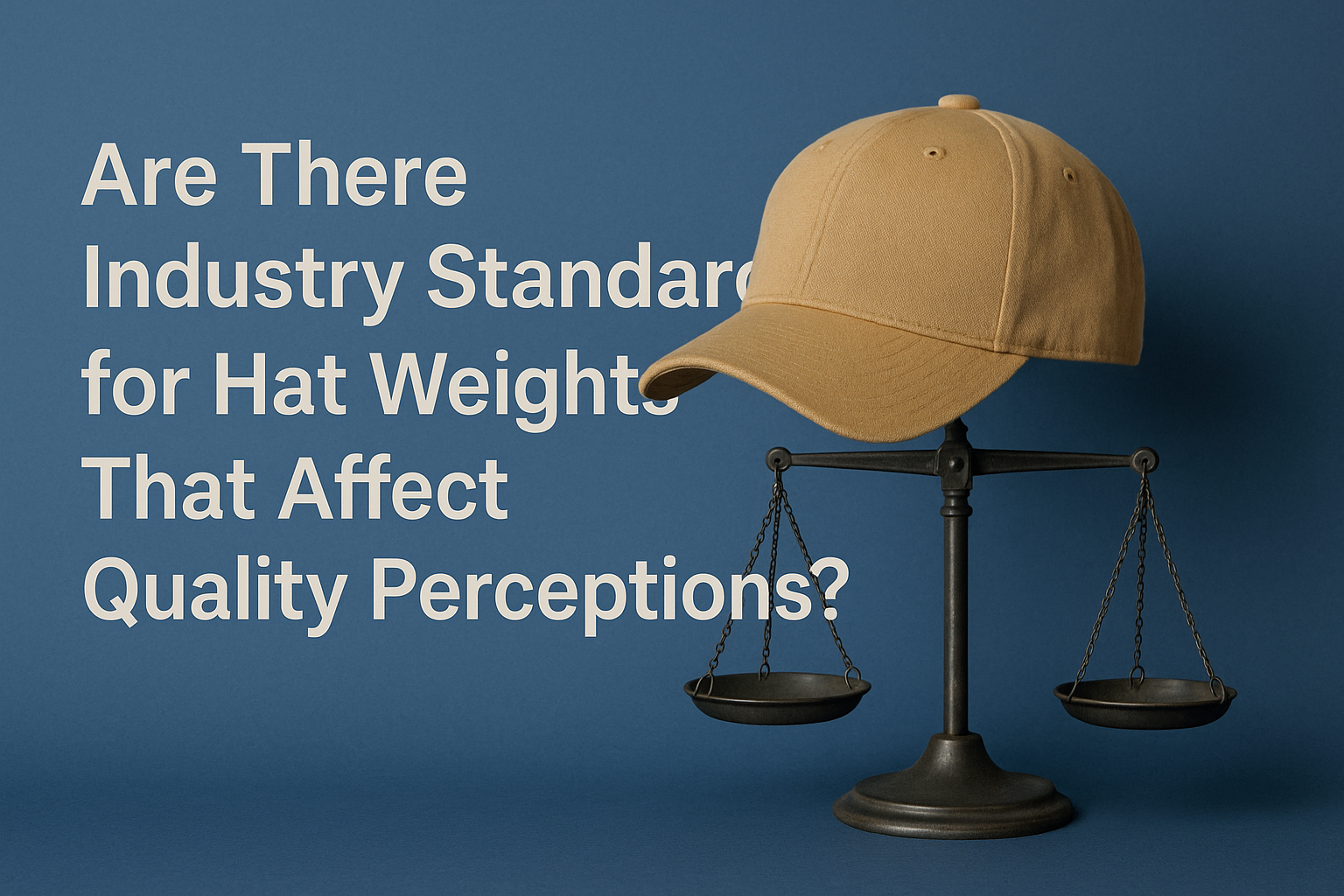
When customers feel a hat, they instinctively judge its quality by its weight. But are there actual industry benchmarks for hat weight1? Or is it all perception?
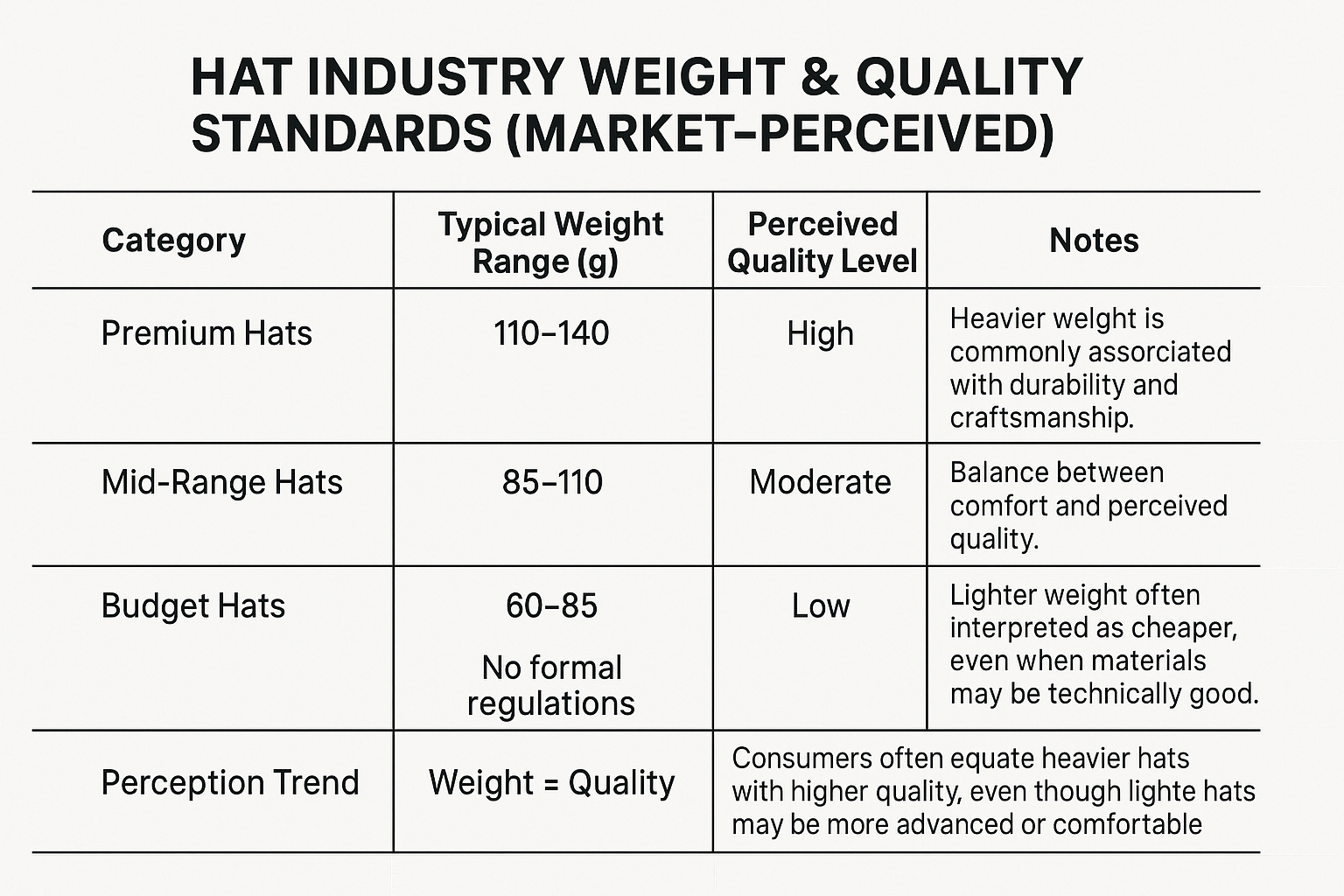
There are no formal hat weight1 regulations, but the market has clear expectations: premium hats2 usually weigh 110–140g, mid-range 85–110g, and budget hats3 60–85g. Heavier hats are often seen as higher quality, even when lighter ones are technically better.
Understanding how weight influences customer perception4 can help you position your product line strategically—and manufacture more intentionally.
What are the typical weight ranges for hats in the fashion industry?
You won’t find a legal standard, but you will find consistent weight tiers across the market. Most factories and buyers recognize these ranges instinctively.
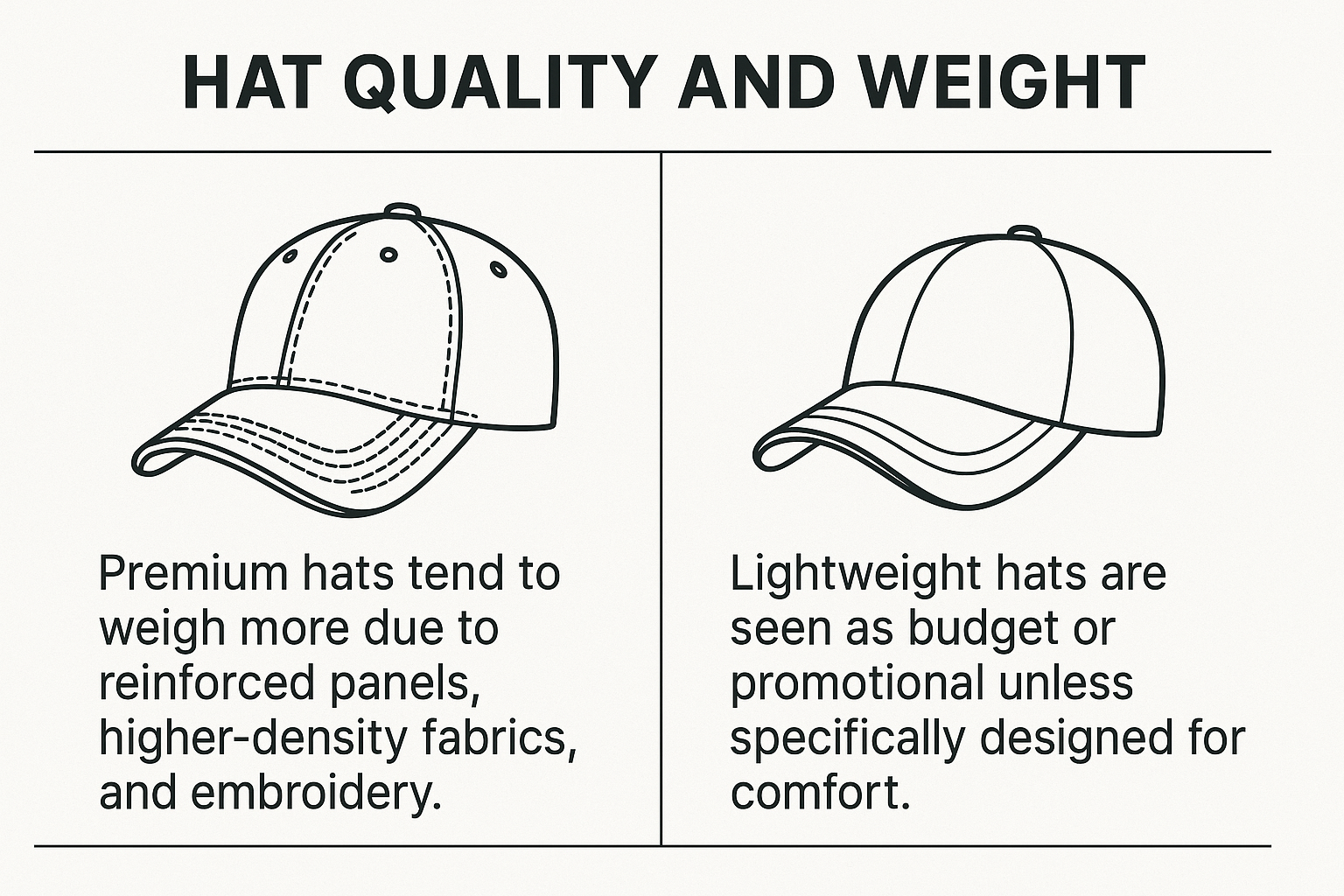
Premium hats tend to weigh more due to reinforced panels, higher-density fabrics, and embroidery. Lightweight hats are seen as budget or promotional unless specifically designed for comfort.

How different markets perceive hat weight1
Here’s how weight usually maps to market position:
| Market Tier | Typical Weight (g) | Material & Structure Notes |
|---|---|---|
| Premium | 110–140g | Heavy cotton, structured panels, thick embroidery |
| Mid-Market | 85–110g | Cotton/poly mix, semi-structured, light decoration |
| Budget/Promo | 60–85g | Thin polyester, soft brim, unstructured crown |
This doesn’t mean light hats are poor quality—but without proper design intent, they feel cheap. A customer who picks up a cap and feels very little weight may assume it’s flimsy.
As a brand, you can use this to your advantage. If your line targets premium streetwear, adding 10g for structure could help you charge $10 more.
How does perceived quality link to weight?
Customers often associate weight with durability5 and substance. That goes for hats, too.
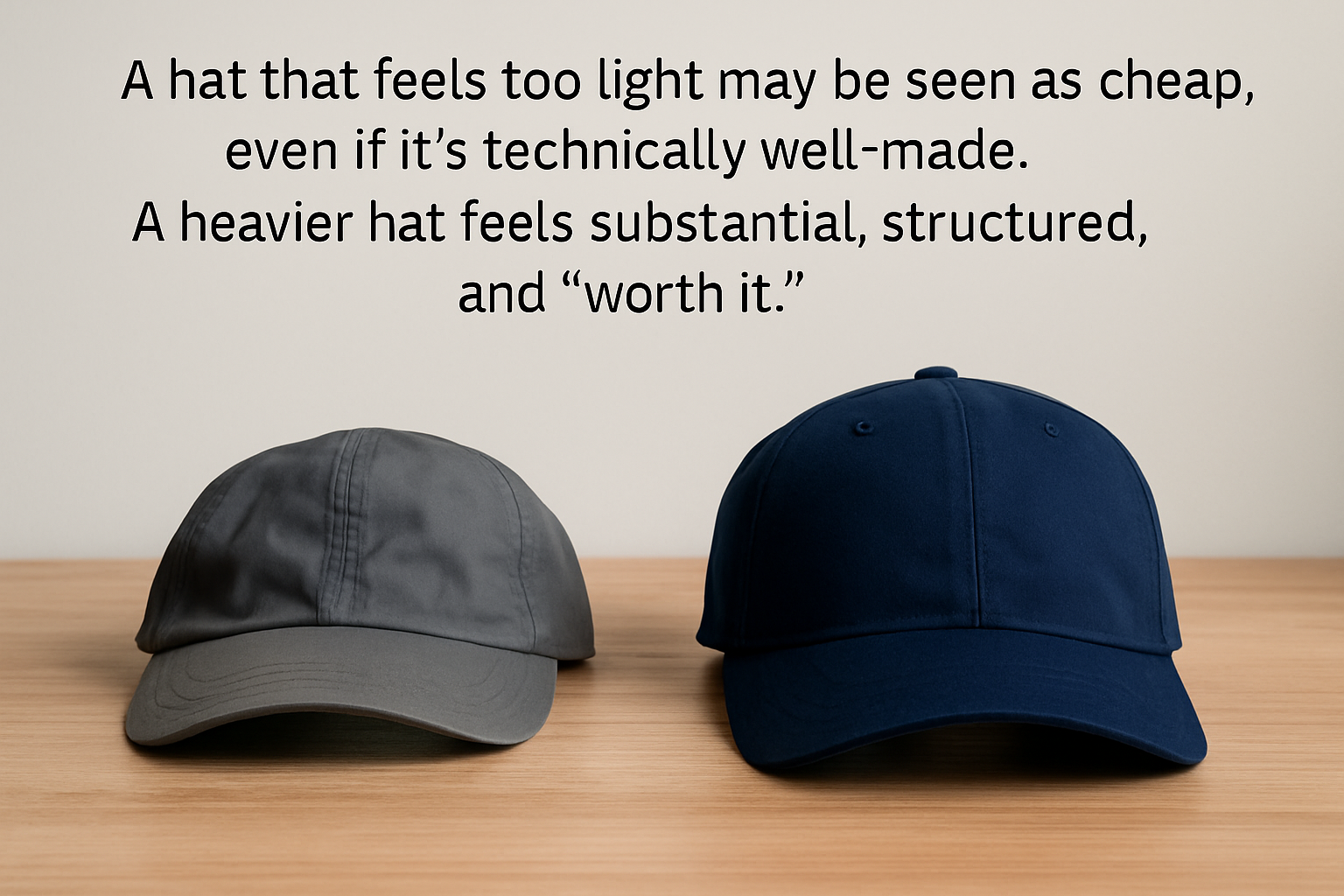
A hat that feels too light may be seen as cheap, even if it’s technically well-made. A heavier hat feels substantial, structured, and “worth it.”
Sensory bias in product judgment
Weight influences how customers judge:
- Durability – Heavier caps feel more resistant.
- Structure – Reinforced panels give a premium silhouette.
- Craftsmanship – Dense embroidery adds both visual and tactile value.
The exception? Summer caps or athletic headwear, where lightness is expected. In those cases, the “light = comfortable” narrative is stronger than the “light = cheap” assumption.
Smart brands know when to use each perception to their advantage.
Can manufacturers control hat weight1 precisely?
Yes, but only if they’re experienced. Weight varies based on materials, decoration, and construction choices. Good factories track and optimize all three.
Anthea provides weight specs for every design—including total unit weight, fabric GSM6, and decoration impact—so brands can make informed decisions about quality positioning.
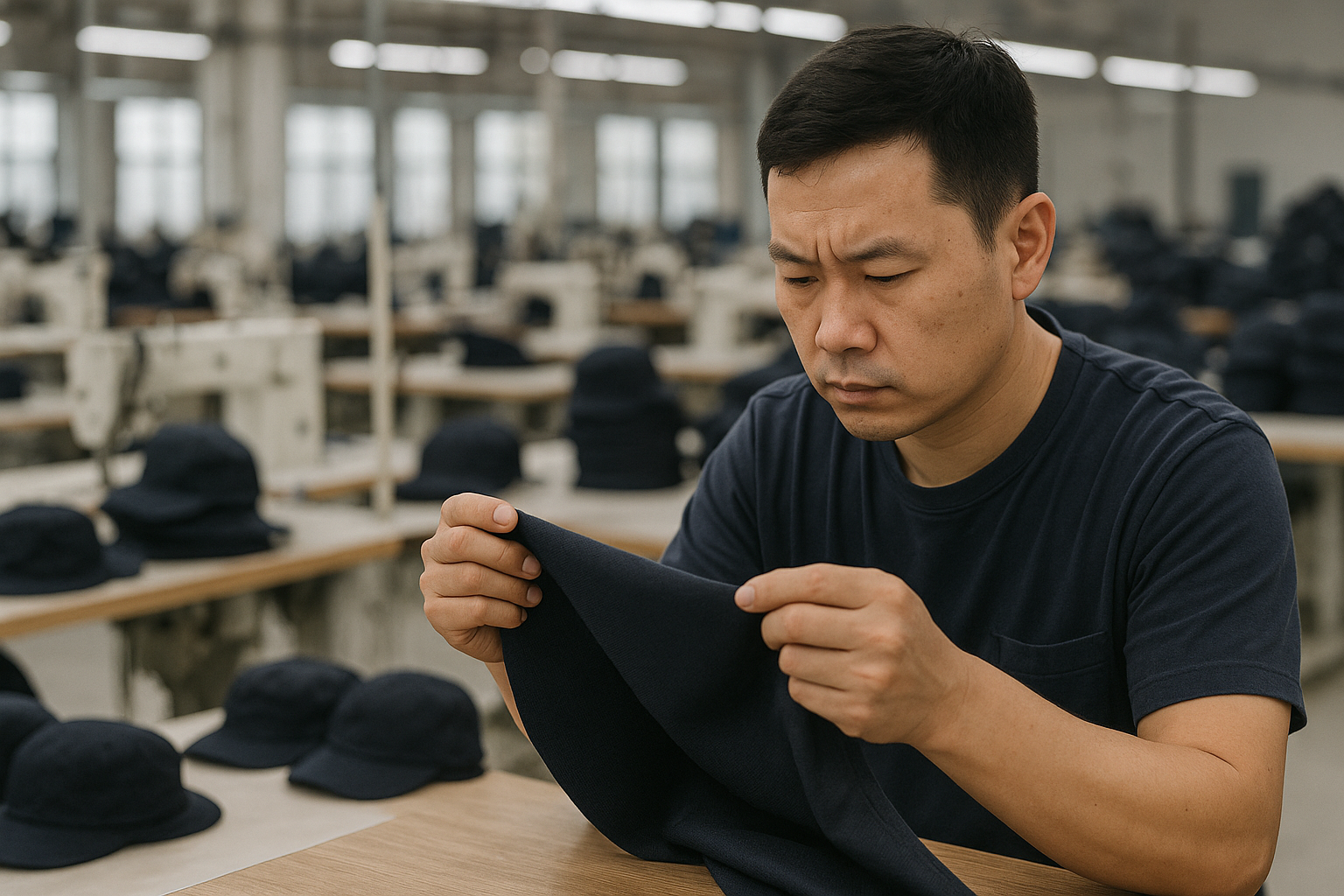
How Anthea helps manage weight intentionally
Here’s what we include in every spec sheet:
| Element | Description |
|---|---|
| Fabric GSM | Grams per square meter for body material |
| Panel construction | Number of layers, buckram, or foam used |
| Brim and closure materials | Adds 10–25g depending on stiffness |
| Embroidery/Patch weight | Can add 5–20g depending on design density |
| Final unit tolerance | ±5g allowed variation for QC consistency |
Whether you’re building a $15 promotional cap or a $60 fashion piece, we help dial in the right weight—and explain why it matters to your customer.
How should brands position their hats based on weight?
Weight isn’t everything—but it helps create alignment between your product’s price, look, and feel.
If your customer expects a $40 hat, it should feel like one. A hat that’s too light may lead to disappointment—even if your branding is strong.
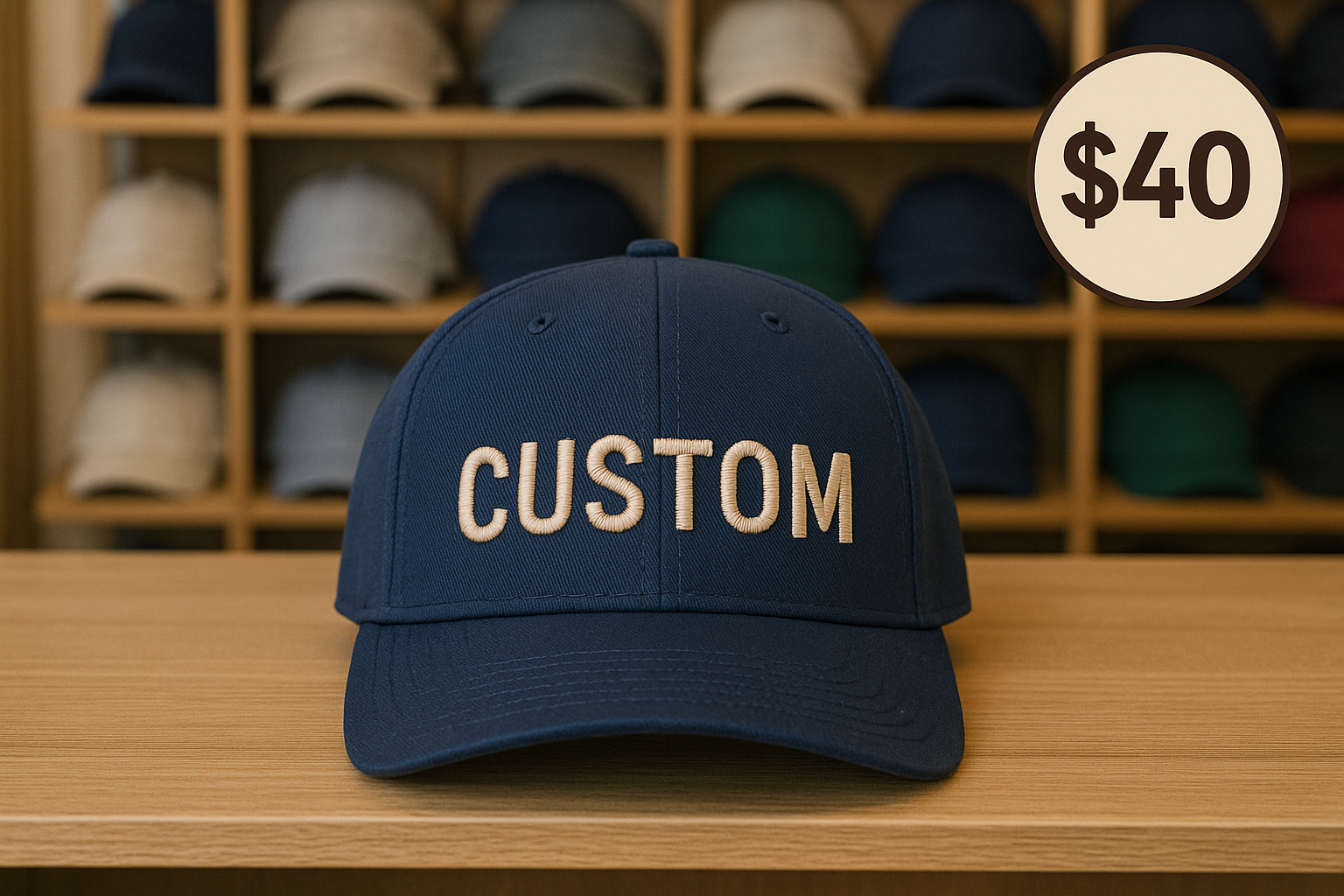
Use weight as a positioning tool
Here’s a strategy matrix for aligning weight with price:
| Retail Price | Suggested Weight | Strategic Notes |
|---|---|---|
| $10–$20 | 60–85g | Focus on volume, giveaways, light materials |
| $20–$35 | 85–110g | Balance comfort with structure |
| $35–$60+ | 110–140g | Reinforced crown, dense stitching, premium feel |
Use this not just for product development, but also for marketing copy:
“Built with heavyweight twill and full-structure panels, this cap is made to last.”
Or:
“Ultra-lightweight and breathable, perfect for warm weather campaigns.”
Let your weight strategy match your customer promise.
Conclusion
There may be no global standard for hat weight1, but the market has its own rules. Understanding these helps you make better products—and sell them more confidently.
Contact
Anthea Custom Headwear Co., Ltd.
🌐 Visit Website
📧 [email protected]
📱 WhatsApp: +86 18132712127
-
Understanding hat weight can help you grasp how it influences customer perceptions of quality and value. ↩ ↩ ↩ ↩ ↩
-
Explore the characteristics of premium hats to see how weight impacts their market positioning. ↩
-
Discover the expectations for budget hats and how weight affects their perceived value. ↩
-
Delve into the psychology of customer perception to enhance your product strategies. ↩
-
Find out how weight correlates with perceived durability in consumer products. ↩
-
Discover how fabric GSM affects the quality and perception of hats. ↩